The Invisible Threat: 5 CFPM Strategies for Preventing Physical Contamination in Your Kitchen

CFPM Kitchen
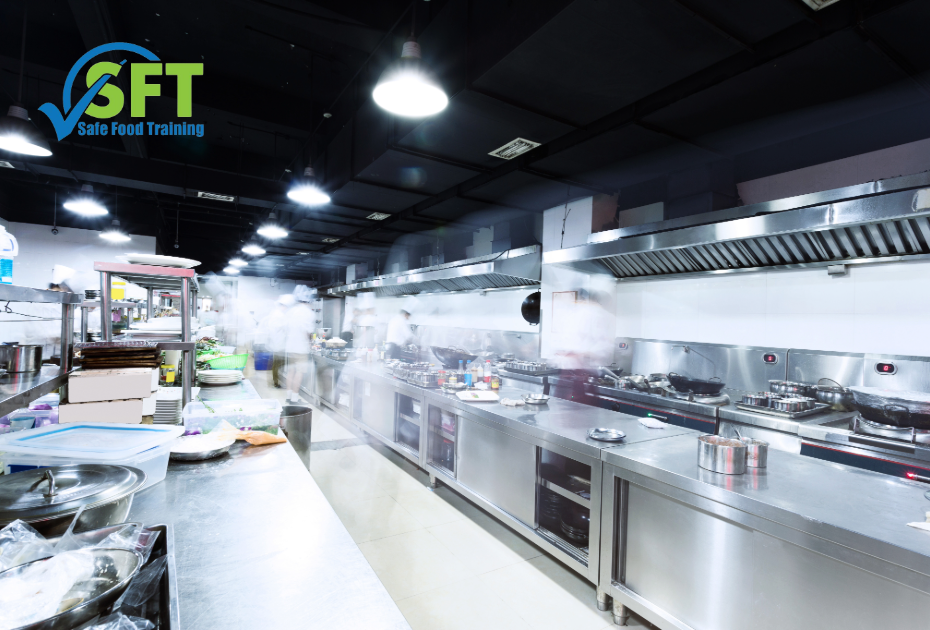
Clean commercial kitchen for CFPM.
Don’t let these hidden threats put your business in jeopardy.

Physical hazards are often the most overlooked threat to food safety. This guide outlines five actionable strategies—from strict uniform policies to equipment maintenance—to help every food manager prevent physical contamination in the kitchen.

In the high-pressure environment of a commercial kitchen, the focus is often on invisible threats such as Salmonella or E. coli. However, a CFPM (Certified Food Protection Manager) knows that physical hazards—shards of glass, metal shavings, or even a lost bandage—pose an immediate and terrifying risk to customers. Unlike bacteria, which are destroyed by heat, physical contaminants survive the cooking process, making prevention your only line of defense.

Safe Food Training emphasizes that physical contamination often stems from negligence or wear and tear. By implementing these five targeted strategies, you protect your diners from injury and shield your business from liability and reputational damage arising from a “foreign object” complaint.

1. Fortifying the Front Line: Employee Hygiene and Habits

blue bandage protocols in CFPM kitchens.
Do you have a bandage color in place in your kitchen?

Your staff is your first line of defense, but contamination can also occur if they do not follow strict protocols. A proactive CFPM must enforce rigid standards regarding what employees wear and bring into the prep area.

  • Strategy #1: The “No Jewelry” Mandate: It’s not just about aesthetics; it’s about safety. Rings (other than a plain band), earrings, and bracelets can easily fall into food or catch on equipment. Enforce a zero-tolerance policy on jewelry in food-prep areas to eliminate the risk of stones or metal clasps entering a customer’s meal.


  • Strategy #2: High-Visibility Bandage Protocols: Cuts happen, but a lost bandage in a salad is a nightmare. Implement a policy requiring brightly colored (typically blue) bandages that are easily spotted if they fall off. Furthermore, protect the bandage with a finger cot or a single-use glove to provide a second layer of protection against contamination in your kitchen.

2. Engineering Out the Risk: Equipment and Facility Maintenance

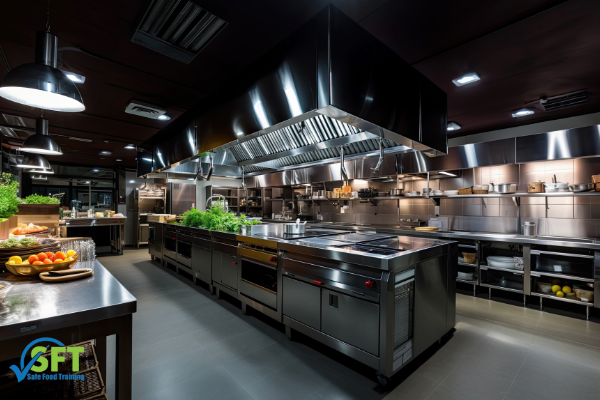
Invisible threats in the kitchen.
Is your kitchen safe for your staff and food prep?

Equipment degradation is a silent threat. As machines age, they can shed materials that are nearly impossible to detect in a finished dish. Routine maintenance is not just for longevity; it is a critical safety control.


  • Strategy #3: The Can Opener Crusade: Industrial can openers are a common source of metal shavings in food. Over time, the blade dulls and chips, depositing tiny metal slivers into cans of tomato sauce or fruit. A CFPM should schedule weekly inspections of the blade and replace it immediately at the first sign of wear.


  • Strategy #4: Shatter-Proofing the Environment: Glass has no place near open food, yet light bulbs and fixtures are everywhere. Make sure to shield all lighting fixtures or use shatter-resistant bulbs in walk-ins and prep areas. If a glass item breaks, establish a strict “discard everything” perimeter policy to ensure no microscopic shards remain.

3. The Gatekeeper Protocol: Ingredient Inspection

Sometimes the threat comes from outside your walls. Suppliers process food on an industrial scale, and bones, pits, or staples can slip through their quality control.

  • Strategy #5: Rigorous Receiving and Prep Inspections: Do not assume “boneless” means bone-free. Train your prep staff to inspect fish fillets and chicken breasts for bone fragments by touch. Additionally, opening boxes requires care; instruct staff to remove staples entirely rather than ripping the box open, which can send staples flying into nearby ingredients.

Strengthening Your Defense with Expert Training

Preventing contamination in your kitchen requires a culture of awareness that starts at the top. As a CFPM, your ability to spot these hazards before they reach the table separates a safe kitchen from a risky one.

Is your certification up to date?

In Minnesota, you must renew your CFPM credential every three years to stay current on these critical safety strategies. At Safe Food Training, we offer engaging, instructor-led courses online and in-person to help you and your team master the details of food safety. Register today to keep your kitchen compliant and your customers safe.

Beyond the Heat Lamp: A Certified Food Protection Manager’s Guide to Safe Hot Holding Temperatures

heat lamp

Maintaining safe hot holding temperatures is a critical responsibility for any Minnesota food professional. This guide outlines essential protocols for keeping food out of the “Temperature Danger Zone,” the importance of equipment monitoring, and the corrective actions required to protect public health. It emphasizes that a certified food protection manager must lead by example to ensure compliance and safety in every meal served.

Safe food handling in Minnesota
Are you hitting all the critical points in safe food handling?


In the bustle of a Minnesota kitchen, the steam table is often an afterthought. After cooking and placing the food in the warmer, people frequently assume it’s safe until it’s served. However, as any certified food protection manager knows, maintaining proper hot holding temperatures is not a passive activity—it’s an active defense against foodborne illness.

Upholding Minnesota’s food safety standards is critical for protecting public health and ensuring your business remains compliant with state law. While a heat lamp or steam table aids in this process, the equipment alone cannot guarantee safety. It requires vigilance, knowledge, and a commitment to “proper time and temperature controls” to ensure that the food you serve is as safe as it is delicious.

1. Mastering the Mechanics of Temperature Control

The primary goal of hot holding is to prevent the rapid growth of pathogens that thrive when food temperatures drop. Safe Food Training emphasizes that understanding these controls is essential to preventing foodborne illness.

When managing hot holding stations, you’re essentially fighting against the “Temperature Danger Zone” (41°F and 135°F). To win this battle, you must move beyond guesswork and rely on precision:

  • Internal Temperature Checks: Never rely on the holding unit’s temperature gauge. These gauges typically measure air or water temperature, not food temperature. Use a calibrated thermometer to check the product’s internal temperature.

  • Stirring is Safety: Heat does not always distribute evenly, especially in thick soups or casseroles. By stirring frequently, you ensure the heat distributes throughout the pan, preventing cool spots where bacteria could survive.

  • Cover and Protect: Using lids and covers helps retain heat and protect food from external contaminants, reducing the risk of cross-contamination.

2. Why Every Certified Food Protection Manager Prioritizes Equipment Validation

The primary goal of hot holding is to prevent the rapid growth of pathogens that thrive when food temperatures drop. Safe Food Training emphasizes that understanding these controls is essential to preventing foodborne illness.

When managing hot holding stations, you’re essentially fighting against the “Temperature Danger Zone” (41°F and 135°F). To win this battle, you must move beyond guesswork and rely on precision:

  • Internal Temperature Checks: Never rely on the holding unit’s temperature gauge. These gauges typically measure air or water temperature, not food temperature. Use a calibrated thermometer to check the product’s internal temperature.

  • Stirring is Safety: Heat does not always distribute evenly, especially in thick soups or casseroles. By stirring frequently, you ensure the heat distributes throughout the pan, preventing cool spots where bacteria could survive.

  • Cover and Protect: Using lids and covers helps retain heat and protect food from external contaminants, helping prevent cross-contamination.

2. Why Every Certified Food Protection Manager Prioritizes Equipment Validation

Even the most expensive holding equipment can fail or drift out of calibration. A critical part of your role involves verifying that your tools are working correctly. Our training courses help you and your business effectively meet Minnesota’s essential food safety standards, including equipment requirements.

If your equipment is not maintaining the necessary 135°F (or higher) threshold, you’re putting your customers and your reputation at risk.

  • Preheating is Non-Negotiable: Never use hot holding equipment to reheat food. These units are designed to maintain temperature, not to raise it. Always reheat food to 165°F rapidly before placing it in the warmer.

  • Routine Maintenance: Schedules should be in place to check heating elements and water levels in steam tables. A proactive approach helps prevent equipment failure during peak periods.

  • Validation Logs: Keep a log of equipment checks. This documentation shows that you’re actively managing safety, which is vital to maintaining a trusted reputation with your customers.

Strengthening Your Credentials in Minnesota

Managing hot holding temperatures is just one aspect of a complex job. Whether you’re running a school cafeteria, a restaurant, or a catering business, staying current with your training is essential. At Safe Food Training, we specialize in personalized, 8-hour courses tailored for food professionals across Minnesota.

heat lamp hot holding temperatures
Are you handling food properly?

If your certification is nearing expiration, remember that in Minnesota, you must renew your Certified Food Protection Manager license every three years. We provide timely reminders for this renewal cycle to help you stay compliant.

Ready to refresh your knowledge or certify your team?

You can easily register for an upcoming course by visiting our website. We offer both in-person and online learning opportunities, as well as private training sessions for your entire staff. Let us help you keep your food safe and your business compliant.

Is Your Eggnog a Health Hazard? Critical Checks for Safe Holiday Beverages

eggnog

eggnogAs the holiday season approaches, festive beverages like eggnog, mulled cider, and hot chocolate become top-sellers. But for a foodservice operation, these seemingly harmless drinks—especially eggnog—can represent one of the most significant food safety risks of the year. Providing safe holiday beverages is a non-negotiable part of your holiday service and a key responsibility for every Certified Food Protection Manager (CFPM).

A single contaminated batch can have serious consequences. Recent CDC investigations into Salmonella outbreaks have identified a strong link to eggs. In one such outbreak, 92% of people interviewed reported eating eggs before becoming ill. This is a stark reminder that high-risk ingredients demand a higher standard of care.

Let’s look at the three critical checkpoints for ensuring your holiday beverages are safe and compliant.

The Primary Culprit: Salmonella and Raw Eggs

eggnog
Is your eggnog safe?

The classic “homemade” eggnog recipe is a food-safety nightmare. It calls for raw, unpasteurized eggs mixed with milk, cream, and sugar. This mixture creates an ideal environment for Salmonella Enteritidis. This bacterium can live inside normal-looking eggs.

The Risk is Real:

Salmonella can cause severe gastrointestinal illness. For vulnerable populations—including older adults, young children, and immunocompromised individuals—an infection can lead to hospitalization or worse.

The Non-Negotiable Solution:

Always use pasteurized eggs. Liquid, pasteurized eggs are the gold standard for any recipe you won’t cook to 165°F. This step eliminates the primary bacterial threat from the start.

Labeling is Key:

If you make a “cooked” eggnog base (heating the egg-milk mixture to 160°F), you must cool it properly. However, using pasteurized eggs from the beginning is the simplest and most foolproof method to ensure safety.

The Alcohol Myth: Why "Spiking" Isn't a Safety Step

A common belief is that adding alcohol (like brandy, rum, or whiskey) to eggnog “sterilizes” it and kills any harmful bacteria. This is a dangerously false assumption.

Alcohol is Not a Sanitizer:

While high-proof alcohol can have antimicrobial properties, it requires specific concentrations and significant time to be effective. The dilution in a thick, fatty beverage like eggnog renders it ineffective as a food safety control point.

Fat Protects Bacteria:

The high fat and protein content of the eggnog can act as a shield, insulating bacteria from the alcohol and allowing them to survive and multiply.

The Real Danger:

Relying on alcohol for safety can create a false sense of security. This may cause staff to become complacent about the real control: temperature.

Temperature Control: A CFPM's Best Defense

Once you prepare your eggnog (using pasteurized eggs), the game is not over. Like any dairy-based, high-protein food, eggnog is a Time/Temperature Control for Safety (TCS) food. You must keep it out of the temperature danger zone (41°F to 135°F).

Cold Holding:

If serving eggnog cold, you must hold it at 41°F or below at all times. This includes the walk-in, the prep cooler, and the service line. Use an ice bath for buffet service and check the temperature with a calibrated thermometer frequently.

Time as a Control:

If you cannot guarantee a temperature below 41°F on a buffet, you must use Time as a Public Health Control (TAPHc). This means you must mark the eggnog with a 4-hour discard time and throw it away after that period.

Hot Beverages:

The same rules apply to hot drinks like mulled cider or hot chocolate. If you are hot-holding them for service, you must maintain a temperature of 135°F or higher. Never let them sit “lukewarm” in a pot on the stove.

As a CFPM, your team looks to you to set the standard. These festive beverages are high-risk, but you can manage them safely with the right protocols and a well-trained staff.

Protect Your Patrons with Expert Training

eggnog
Keep your beverages safe.

Don’t let a food safety mistake ruin a customer’s holiday. Ensuring your entire team understands the “why” behind these rules is the best way to guarantee you serve safe holiday beverages.

Safe Food Training provides the expert-led courses you need. Jeff Webster offers personalized, instructor-led options for the full 8-hour Certified Food Protection Manager course or the 3-year continuing education renewal. We make complex food safety principles clear and practical for your Minnesota-based team.

Visit our website today to book your upcoming training and keep your holiday service safe and successful.

When the Supply Chain Fails: The Peach Recall and Why Every Certified Food Protection Manager Must Pay Attention

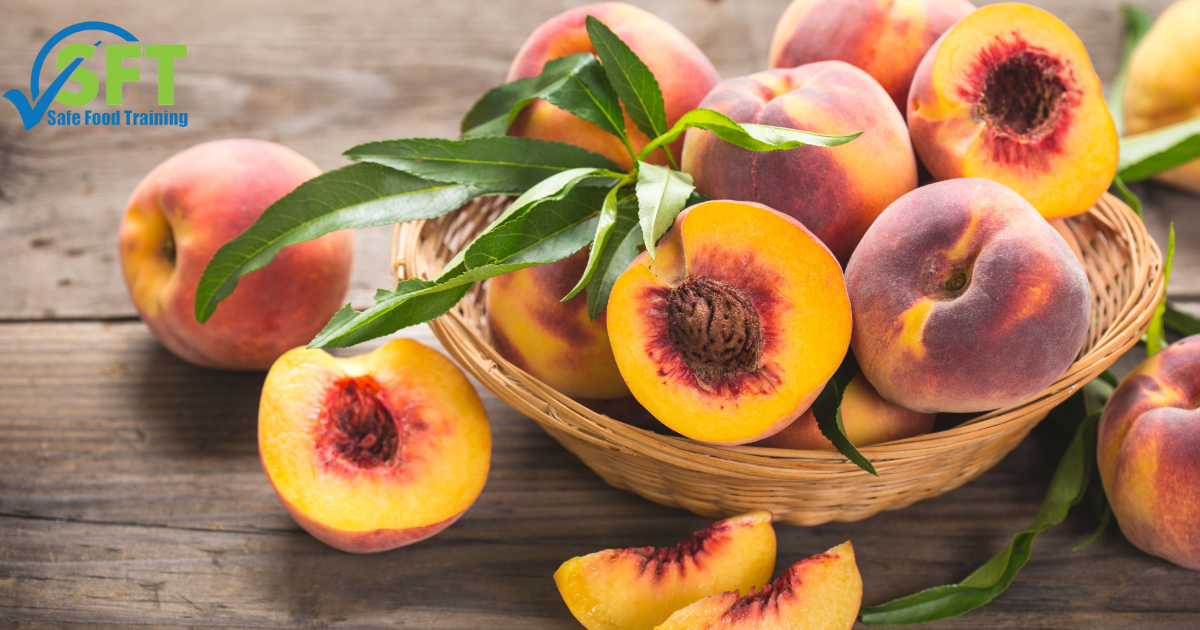
peach recall
peach recall
The peach recall is still rolling out through related products.

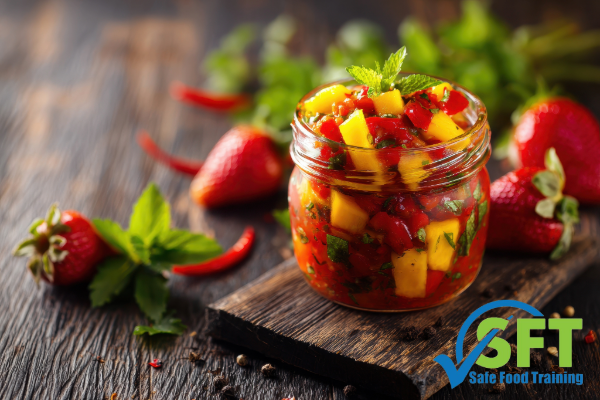
As a Minnesota food safety professional, my usual focus is on in-house standards like time/temperature and hygiene. However, the recent nationwide peach recalls—initially fresh peaches from HMC Farms and Moonlight Companies due to Listeria, followed by Kroger’s “Private Selection” peach salsa recall—demonstrate the critical need for a Certified Food Protection Manager (CFPM) to manage external threats. The salsa recall was necessary because it was made with the contaminated peaches, illustrating the “continuing fallout” and the vital lessons in traceability and supplier-level risk for all Minnesota food managers.

1. The Initial Recall: A Problem at the Source

The first recall was for the raw, agricultural product—the fresh peaches. Listeria is a bacterium found in soil, water, and animal feces, meaning contamination can happen right on the farm or in the processing plant.

This presents an immediate challenge for you, whether you are a manager, chef, or business owner.

  • You cannot see the threat: Listeria doesn’t change the smell, taste, or appearance of the food. A contaminated peach looks just like a safe peach. This is why we rely on food safety systems, not our senses.

  • The supplier is your first line of defense: This incident underscores the importance of using approved, reputable suppliers. Even the best suppliers can experience a recall; they must have procedures to identify and notify you immediately.

Receiving is a critical control point: Your receiving dock is more than a doorway. It’s the first checkpoint in your kitchen’s safety plan. You must train your team to check for undamaged packaging, proper temperatures (when applicable), and to know who your suppliers are.

2. The "Recall Fallout" and Your Certified Food Protection Manager Training

The secondary recall of the peach salsa is, in many ways, the more important lesson for a Certified Food Protection Manager. The salsa company didn’t necessarily do anything wrong in its own kitchen, but a contaminated ingredient it received from a supplier affected it.

Ask yourself these questions:

  • Do you have a traceability plan? If you received a recall notice today for “HMC Farms Peaches,” could you—within minutes—know if you had that product? Could you check whether you used that product in a batch of house-made chutney, a dessert special, or a salad?

  • Are you tracking lot codes? For many managers, the box is broken down and the invoice filed away. Best practice during a high-risk event is to maintain traceability. This can mean having a simple log or even just clipping the lot code label from a case and attaching it to your invoice.

How Fast Can You Act? A recall is a race against the clock. Your role as a CFPM is to have a plan before you need it. This includes identifying the product, segregating it (labeling it “DO NOT USE”), and communicating with staff and, if necessary, the public and your local health department.

3. The Pathogen: Why Listeria is a Unique Threat

This recall involved Listeria, not E. coli or Salmonella. For a food professional, this distinction is critical, as Listeria has a terrifying “superpower.”

  • It Grows in the Cold: This is the most important fact. Unlike most bacteria that are slowed by refrigeration, Listeria monocytogenes can continue to grow and multiply at refrigerated temperatures (40°F or below).
  • The Risk in Ready-to-Eat (RTE) Foods: A manager might mistakenly believe a product is “safe” once it’s in the walk-in cooler. With Listeria, that cooler can become an incubator. This makes it uniquely dangerous for ready-to-eat foods that lack a “kill step” (i.e., cooking), such as fresh salsa, deli meats, soft cheeses, and sprouts.


  • It is a zero-tolerance pathogen: Because Listeria is so dangerous, especially to high-risk populations, there is a “zero-tolerance” policy for it in ready-to-eat foods. A single cell is all it takes to render a food “adulterated.” This is why you see massive recalls from a potential contamination, not just a confirmed one.

These events are clear reminders that food safety isn’t just a poster on the wall; it’s an active, daily-managed system. And you lead that system.

Build Your Expertise with Safe Food Training

peach recall
Millions of peaches? What’s in your inventory?

Recalls are real-world tests of your food safety systems. As a Certified Food Protection Manager, you lead the effort to protect public health and your business’s reputation.

If you or your team need the 8-hour food licensing certification or your three-year renewal, we offer friendly, personalized, and effective training tailored for Minnesota food professionals.

Don’t wait for a recall. Visit safefoodtraining.com to register and gain the skills to handle any food safety challenge.