Don’t Get Caught Off Guard: Check Your Minnesota Food Manager Certification Today

Minnesota Food Manager Certification


Minnesota food manager certification
Is your Minnesota food manager certification expiring?


In the fast-paced world of food service, it’s easy to let administrative deadlines slip. However, there’s one that every Minnesota food professional must keep top of mind: their three-year food manager certification renewal. This isn’t just a suggestion—it’s a state-mandated requirement critical to both legal compliance and public safety. Failing to renew your Minnesota food manager certification can have serious consequences for your career and your establishment.

Understanding Minnesota's Three-Year Renewal Rule

The state of Minnesota requires Certified Food Protection Managers (CFPMs) to renew their credentials every three years by completing approved continuing education. This regulation is in place for a crucial reason: the world of food safety is constantly evolving. New research on pathogens, updated best practices for handling allergens, and changes to the FDA Food Code mean that knowledge acquired three years ago may no longer be complete. The renewal process ensures that the person responsible for an establishment’s food safety is continually operating with the most current information.

  • Your Legal Responsibility: As a CFPM, you are legally accountable for the safety of the food served. The CFPM training establishes this responsibility as a core principle. Allowing your certification to expire is a direct failure of this duty and can leave you and your business vulnerable during a health inspection. It’s a foundational part of your role as a kitchen leader.
  • Protecting Public Health: The three-year cycle ensures a consistent, high standard of safety knowledge across the state. It acts as a critical safeguard, reducing the risk of foodborne illness outbreaks by keeping managers informed about emerging threats, such as new strains of bacteria or newly identified allergens, and providing updated prevention strategies.

Maintaining Your Professional Standing: A valid certification is a mark of professionalism. It signals to employers, staff, and customers that you are a dedicated and knowledgeable leader in the industry, committed to upholding the highest standards of excellence. It is often a prerequisite for promotion and can be a key differentiator when applying for new leadership positions.

The High Cost of a Lapsed Certification

Is your Minnesota food manager certification expiring?
Do you know the proper food safety requirements for your recertification?

Failing to renew your certification on time is more than a simple oversight; it can lead to significant, costly consequences that affect your entire operation. Health departments consider a lapse in the required certification for the person in charge to be a critical violation. The potential fallout extends far beyond a simple warning, creating a ripple effect of adverse outcomes.

  • Fines and Penalties: A lapsed certification discovered during an inspection can cause substantial fines and penalties. Companies can easily avoid these financial penalties, which are an unnecessary operational cost, by planning proactively and renewing on time. You could use this money more effectively to invest in your staff, equipment, or ingredients.
  • Operational Disruption: In some cases, a health inspector may require immediate correction of the issue, potentially disrupting service or leading to a temporary suspension of your license to operate until a certified manager arrives. Every hour of downtime costs you valuable revenue and inconveniences loyal customers.
  • Reputational Damage: A failed inspection or public notice of a violation can cause lasting damage to your establishment’s reputation. In an era of online reviews and social media, news of a food safety compliance issue can spread rapidly, deterring customers long after the problem has been resolved. Rebuilding public trust can be a lengthy and challenging process.

Know someone who needs their initial certification? Send them the link to sign up today!

More Than a Requirement: The Value of Continuing Education

Viewing your CFPM renewal MN as just another box to check is a missed opportunity. Continuing education is a powerful tool for professional growth and operational excellence. It’s your chance to step away from the daily grind, refocus on the foundational principles that protect your customers, and learn about the latest advancements in the field. This commitment to lifelong learning is what separates good managers from great ones.

  • Stay Current with the FDA Food Code: The Food Code is not a static document. Updates can include changes to cooking temperatures, new guidelines for managing major food allergens, or revised cleaning and sanitization procedures. Your continuing education ensures you are aware of and implementing these crucial changes, protecting your operation from unknowingly falling out of compliance.
  • Reinforce Best Practices: The fast pace of a kitchen can sometimes lead to shortcuts. The renewal course serves as a vital refresher on complex topics like HACCP principles, active managerial control, and the specific science of foodborne pathogens. It reinforces the high standards learned in your initial certification, ensuring that best practices don’t erode over time under the pressure of a busy service.
  • Boost Your Confidence: Renewing your Minnesota Food Manager Certification reaffirms your expertise and strengthens your leadership. You return to your team equipped with the most current knowledge, ready to train staff effectively and answer their questions with authority. This confidence is contagious and is essential for fostering a stronger food safety culture where every team member feels empowered and responsible.

Protect Your Customers and Your Business

Is your Minnesota food manager certification expiring?An expired certification is an avoidable risk. Being proactive about your renewal protects your business, your reputation, and the patrons who trust you. Keep your credentials up to date to ensure you and your team fully meet Minnesota’s standards.

Sign up for the next available Certified Food Protection Manager course near you.

Fall Food Safety: Beyond the Pumpkin Spice

Fall Food Safety-soup
fall food safety for all ingredients.
From washing to temperature, use this guide for fall food safety to stay ahead!

As a Minnesota food professional, you know autumn brings a welcome change to our menus, featuring hearty squashes, crisp apples, and rich pumpkins. But let’s be honest, autumn’s culinary delights extend far beyond pumpkin spice lattes! While these ingredients are crowd-pleasers, they also introduce unique food safety challenges. Ensuring proper seasonal food safety from the moment ingredients arrive to the final dish is critical for protecting your customers and your reputation.

Proper Handling Starts at the Door

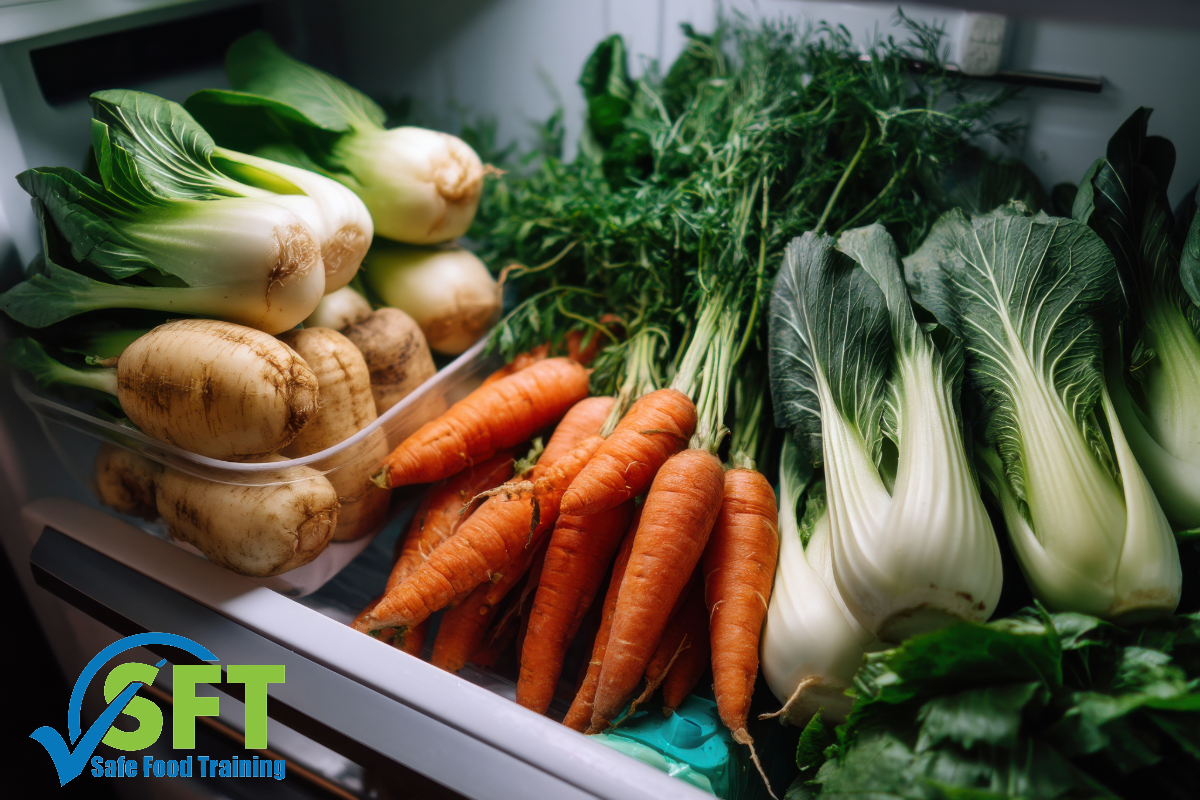
The first step in ensuring fall menu safety is to manage your seasonal produce deliveries with a critical eye. Fresh ingredients, such as pumpkins and squash, often arrive with soil and other debris from the field, which can carry harmful bacteria like Listeria and E. coli. A rushed receiving process that fails to catch these issues can introduce dangerous contaminants directly into your kitchen’s clean environment.

  • Inspect every delivery: Your Certified Food Protection Manager (CFPM) training emphasizes that the flow of food begins at the point of receiving. You must thoroughly inspect seasonal produce for signs of spoilage, mold, or physical damage. A bruised apple or soft-skinned squash can harbor bacteria that will spread quickly, and you have the right and responsibility to reject any products that don’t meet your standards.

  • Prioritize storage: Root vegetables and hard squashes have different storage needs than delicate greens. They thrive in a cool, dry, and well-ventilated area, away from direct sunlight. It’s equally important to store them away from ready-to-eat foods to prevent cross-contamination. Storing raw squash below uncovered salads, for example, could allow field contaminants to fall onto food that will receive no further cooking.

  • Implement first-in, first-out (FIFO): It’s a basic but crucial rule that prevents waste and mitigates risk. Your team should properly date and rotate stock so they use older seasonal ingredients before new deliveries arrive. This simple process minimizes the risk of spoilage and mold growth, which can produce harmful mycotoxins even after cooking.

The Science of Washing and Preparation

Make sure to properly wash all produce!

Once inside, the beautiful harvest produce requires careful handling. The CFPM course covers the science of microbial growth, teaching us that a simple rinse is one of the most effective ways of removing physical and biological contaminants. Many people mistakenly believe that produce with a thick rind, such as butternut squash, which they plan to peel, doesn’t need washing. In reality, skipping this step allows a knife to transfer pathogens from the skin of a squash to the cutting board and interior flesh.

  • Wash Before You Cut: Always wash produce thoroughly under running water before peeling or cutting it. This crucial step prevents surface contaminants from being transferred by the knife to the edible portions of the food. It’s a simple action that breaks a primary chain of contamination.


  • Scrub Firm Surfaces: For firm-skinned produce like butternut squash or pumpkins, use a clean and sanitized vegetable brush to scrub the surface. This physical action dislodges stubborn, caked-on dirt and significantly reduces the microbial load, a key concept in preventing foodborne illness.


  • Sanitize Your Surfaces: After prepping raw produce, always follow the two-step process of cleaning and then sanitizing the cutting boards, knives, and prep areas. Cleaning removes food debris, but only a proper sanitizer will reduce pathogens to a safe level. This practice, stressed heavily in certification training, is essential to prevent cross-contamination.

Ready to renew? Check out our upcoming courses or sign up for online recertification today!

Mastering Hot Soups and Beverages

Nothing says autumn like a steaming bowl of butternut squash soup or a cup of hot apple cider. However, these popular items are often TCS foods (Time/Temperature Control for Safety foods) and require strict temperature management to prevent the growth of dangerous bacteria. Understanding the “why” behind these rules is a cornerstone of effective management.

  • Maintain the Hot Zone: The “danger zone” for food is between 41°F and 135°F, the ideal range where bacteria can double in as little as 20 minutes. Training teaches you to keep hot TCS foods at 135°F or higher. Use calibrated food thermometers and monitor your holding equipment frequently, as a malfunctioning steam table can pose a serious food safety risk.
  • Reheat Correctly: Bring a batch of soup to 165°F and maintain it at this temperature for 15 seconds within a two-hour period when reheating it for hot holding. Simply warming it up is not sufficient and creates a hazardous situation.
  • Cool Foods Rapidly: One of the biggest risks in a professional kitchen is improper cooling. Cool leftover soup or cider from 135°F to 70°F within two hours, and then from 70°F to 41°F or lower in the next four hours. Use approved methods, such as ice baths, ice paddles, or dividing hot liquids into shallow metal pans, to facilitate rapid cooling.
  • Document Your Process: A key part of a food safety management system is documentation. Keep temperature logs for both your hot-held items and your cooling procedures. This not only ensures that you are consistently practicing safe seasonal food handling practices but also provides critical evidence of your diligence during a health inspection.

Protect Your Customers and Your Business

Vigilant handling of fall ingredients is a non-negotiable part of your professional responsibility. Applying these principles shows a commitment to excellence and public health. Ensure you and your team are fully prepared to handle seasonal challenges by maintaining your food safety credentials.

Sign up for the next available Certified Food Protection Manager course near you.

.

Commercial Food Slicer Safety: Preventing Cross-Contamination

slicer contamination
Prevent food slicer cross-contamination with a strict sanitation schedule!

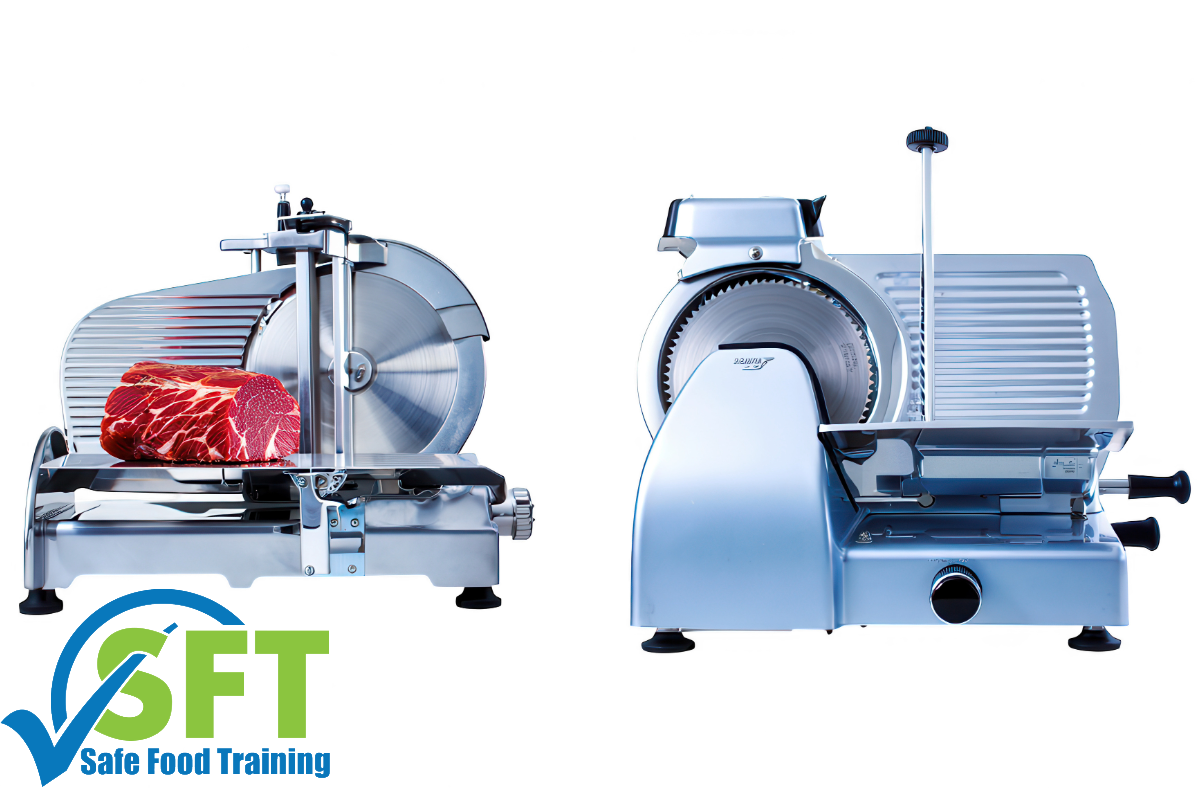
In a professional Minnesota kitchen, the commercial food slicer is a cornerstone of efficiency. While its blade poses a clear physical risk, a more subtle and widespread danger is the cross-contamination that leads to foodborne illness. For a Certified Food Protection Manager, mastering commercial food slicer safety is less about the blade and more about controlling the microscopic world of bacteria, viruses, and allergens.

This guide focuses on the core sanitation principles that truly protect your customers: creating and enforcing a bulletproof system to prevent your slicer from becoming a vector for dangerous pathogens.

1. Why Slicers are a High-Risk Zone for Pathogens

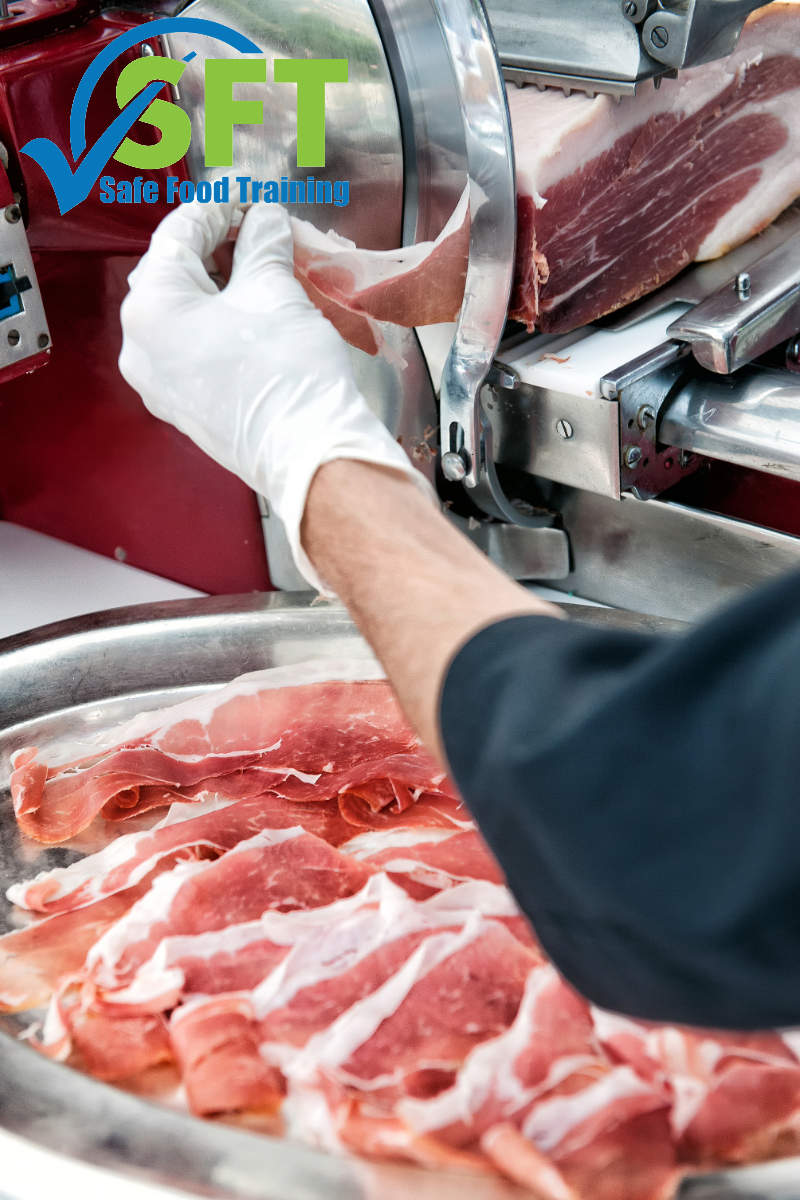
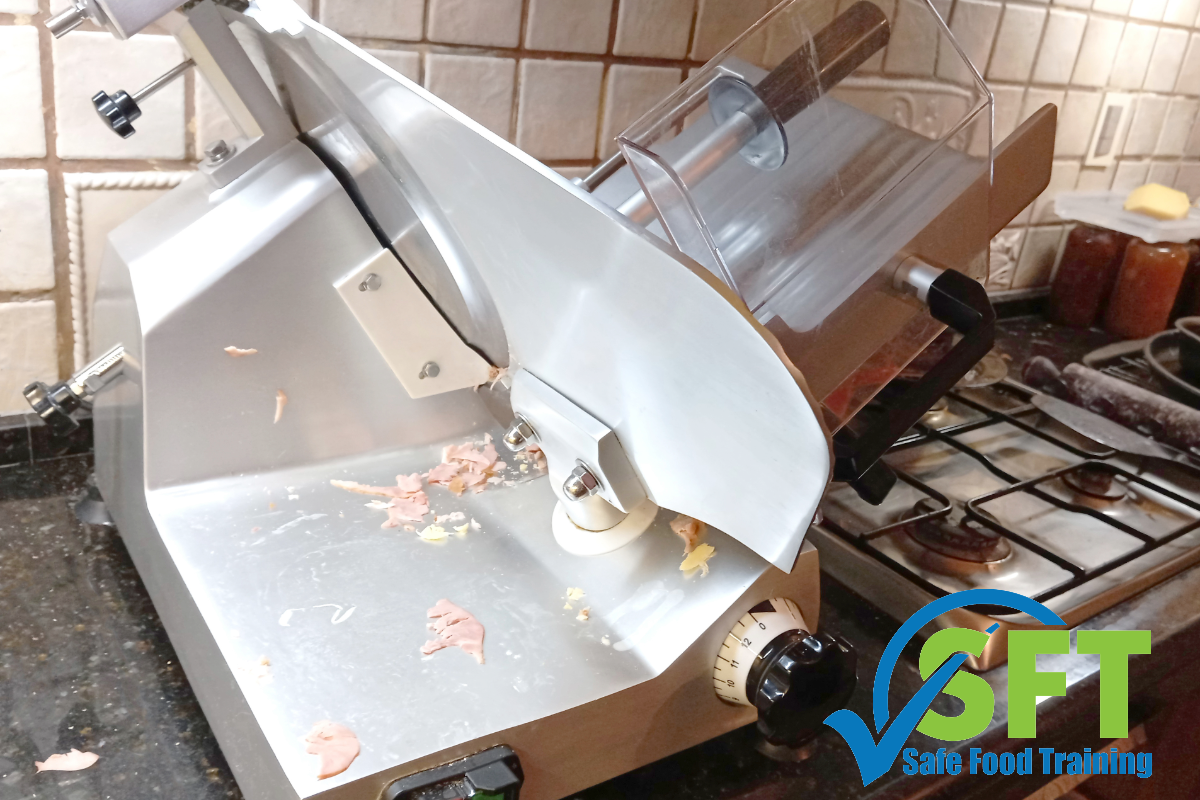
A slicer’s complex design, with its guards, gears, and seams, creates numerous harbor points where food particles accumulate. This debris provides the perfect breeding ground for bacteria. When not meticulously cleaned, a slicer will transfer pathogens from one food to another—for instance, from raw meats to ready-to-eat cheeses.

  • The Danger of Biofilm: Over time, bacteria can form a slimy, protective layer known as a biofilm on equipment. This layer shields pathogens like Listeria monocytogenes, a bacterium frequently linked to deli slicers, making them resistant to standard sanitizers.
  • Allergen Cross-Contact: Beyond pathogens, slicers are a primary source of allergen cross-contact. Trace amounts of cheese (a dairy allergen) or deli meats containing gluten can easily contaminate foods intended to be free from allergens.
  • Molds and Spoilage: Even tiny food particles left behind can develop mold, which then transfers to fresh products, accelerating spoilage and creating a risk of customer illness.

2. The Four-Hour Rule: A Non-Negotiable Standard

The FDA Food Code is unambiguous about cleaning frequency. must be broken down, cleaned, and sanitized at least once every four hours. This is a critical control point, not a suggestion. It is based on the speed at which harmful bacteria multiply to dangerous levels inside the temperature danger zone (41°F to 135°F). For any busy operation, this means a full sanitation procedure is mandatory during each shift, not just at the end of the shift.

3. The Step-by-Step Slicer Sanitation Process

A quick wipe-down is ineffective and dangerous. A compliant sanitation procedure is a detailed, multi-step process that must be followed precisely and accurately.

  1. Prepare for a Safe Cleaning: First, disconnect the power source by unplugging the slicer from the wall. Turn the blade dial to zero. Ensure you are wearing the required Personal Protective Equipment (PPE), especially cut-resistant gloves.
  2. Disassemble the Slicer: Follow the manufacturer’s directions to carefully remove all cleanable parts, including the food chute, blade guard, and product tray. This is the only way to access all food-contact surfaces.
  3. Wash, Rinse, and Sanitize: Use a three-compartment sink setup. In the first sink, wash parts with hot, soapy water and a brush to remove all physical debris. In the second step, rinse them thoroughly with clean, hot water. In the third step, sanitize the parts by submerging them in a properly concentrated, food-safe chemical solution for the required contact time.
  4. Air Dry Completely: Place all sanitized parts on a clean surface and allow them to air dry. Using a cloth to dry can re-contaminate the surfaces you have just cleaned. Once dry, reassemble the slicer.

Your Leadership Role in Preventing Contamination

slicer contamination.
Prevent slicer contamination with these tips!

As a Certified Food Protection Manager, your responsibility extends beyond simply knowing these steps. You must effectively train your team on the importance of each step, provide the necessary tools and time to perform the job correctly, and establish a system to ensure that these procedures are followed consistently. Your leadership is what transforms knowledge into a lasting culture of food safety.

Mastering these commercial food slicer safety protocols is a non-negotiable part of running a professional and reputable food establishment. These procedures are a core competency taught in our Certified Food Protection Manager course, where we empower you with the knowledge to protect your customers from the hidden dangers of contamination.

Contact Safe Food Training today to book a session for your team or follow the link to our upcoming courses!

CFPM: Is Your Ice Machine Mold a Ticking Time Bomb?

ice machine
Ice machine ice
How safe is your ice in your ice machine?

As a food safety professional, you monitor temperatures and enforce handwashing, but what about the silent partner in nearly every beverage served? For certified food protection managers in Minnesota, overlooking the cleanliness of your ice machine can lead to significant health risks and tarnish a hard-earned reputation. The presence of ice machine mold isn’t just an unsightly nuisance; it’s a critical food safety failure.

Identifying the Unseen Enemy: More Than Just Grime

The first step in combating ice machine mold is knowing how to spot it. Because the internal components of an ice machine are often out of sight, a problem can develop long before it becomes obvious. This isn’t just a theoretical problem; it’s happening right here in our community. For instance, a recent KARE 11 report highlighted that major Minneapolis sports venues were cited for mold and biofilm buildup in their ice machines. These local examples underscore how easily this issue can arise even in high-profile establishments, making vigilant oversight essential.

It’s crucial to understand why this is such a critical issue. The Food and Drug Administration (FDA) classifies ice as food and requires it to be handled with the same care and sanitation standards as other edible products. When mold, slime, and other bacteria are allowed to fester in the dark, damp environment of an ice machine, they can directly contaminate the ice your customers consume. This exposure can trigger allergic reactions and asthma attacks, and more alarmingly, contaminated ice has been directly linked to foodborne illness outbreaks like norovirus.

  • Visual Inspection: Make it a routine practice to inspect the interior of your ice machines with a flashlight. Look for black, green, or pinkish slime and discoloration on all surfaces, including the evaporator, dispenser, and storage bin.
  • Customer Complaints: Pay close attention to any feedback regarding “off-tasting” or malodorous beverages. While not always the case, this can sometimes be an indicator of contaminated ice.
  • Staff Awareness: Train your staff to recognize the early signs of mold and to understand that the ice scoop and bin are food-contact surfaces requiring stringent hygiene. The handle of an ice scoop should never come into contact with the ice itself.

The Safe Food Training Solution

How safe is your ice? Ice Machine
How safe is your ice machine ice?

Protecting your customers and your business from the dangers of ice machine mold requires more than just awareness; it demands a commitment to ongoing education and best practices. Understanding the why behind the cleaning protocols empowers your team to take food safety seriously. It transforms a tedious task into a critical measure for public health protection.

At Safe Food Training, we specialize in providing personalized and effective food safety education that addresses the real-world challenges you face. Our courses are designed to reinforce the importance of every aspect of food safety, from the obvious to the often-overlooked dangers, such as a contaminated ice supply.

Don’t let ice machine mold compromise the safety and integrity of your operation. If you and your team are looking to renew your certifications or enhance your understanding of Minnesota’s food safety standards, our expert-led, instructor-led options provide the convenient and comprehensive training you need. 

Visit Safe Food Training today to schedule your next session and ensure your establishment is a model of safety, from the first ingredient to the last ice cube.