Don’t skip cleanings on food slicers!
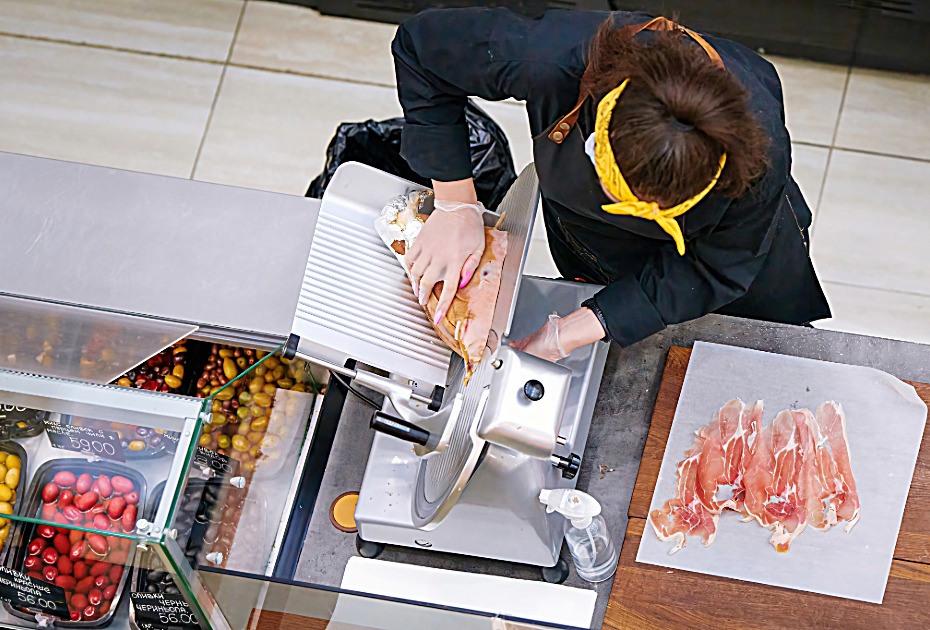
Food safety certification training teaches us that commercial food slicers are notorious breeding grounds for the harmful bacteria that cause foodborne illness. Thoroughly cleaning and sanitizing this complex machine after every use is critical to preventing dangerous cross-contamination in your busy Minnesota kitchen. Ignoring this highly essential daily routine can quickly put your guests’ safety and your restaurant’s hard-earned reputation at serious risk.
The Hidden Dangers on Your Deli Counter
Cross-contamination happens when harmful pathogens transfer from one surface or food item to another. It’s a major cause of foodborne illness across the hospitality industry. When you’re managing a busy kitchen in St. Paul, it’s tempting to just wipe the slicer down with a damp towel between tasks.
That simple wipe is typically insufficient to completely eliminate bacteria. The industrial meat slicer holds onto tiny particles of meat and cheese in unseen crevices. Small chunks of organic matter fester in hidden places, posing a serious health hazard to your guests. Just because your equipment looks clean on the surface doesn’t mean it’s actually safe to use.
Smart Slicing Routines Save Time
You can reduce how often you tear down the machine by planning your prep schedule intelligently. Slice all your ready-to-eat items like cheeses first. Move on to cooked sandwich meats next. Finish your prep run with any raw proteins. You must still thoroughly wash and sanitize the machine between each step.
We strongly recommend unplugging the unit before starting the teardown process for obvious safety reasons. Proper planning keeps your prep line moving quickly during a Friday rush while maintaining high sanitation standards.
Training Your Team for Success
As a NEHA Registered Trainer and ServSafe Instructor, I’ve seen exactly what happens when sanitation protocols slip. A dirty blade creates a hazard faster than almost anything else in a commercial kitchen. Staff members need to know that a slicer isn’t truly clean until they remove the blade guard and slicing tray.
They must inspect the blade for any leftover debris before every single use. Our Minnesota Department of Health-approved programs highlight this exact issue. As an Always Food Safe Instructor & Proctor, I constantly remind kitchen managers that proper equipment care is completely non-negotiable.
Don’t Let Your Certification Lapse
Keeping your team properly educated is one of the strongest defenses against kitchen hazards. Remember, Minnesota professionals who take our 4-hour recertification refresher before their current 3-year certification expires get to skip the exam completely. Letting that deadline pass means you’re stuck retaking the entire 8-hour exam from scratch.
It’s much easier to spend a half-day refreshing your memory on HACCP protocols—the Hazard Analysis Critical Control Point system we use to identify and prevent food safety risks—than stressing over a long test. We want to make your renewal process as painless as possible.
Frequently Asked Questions About Slicer Safety
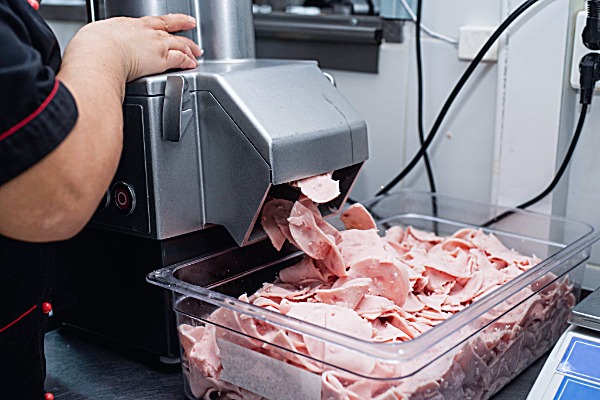
Are you following the proper procedure?
Here are a few common questions we hear from local operators about maintaining their commercial equipment. Keeping your gear spotless matters in consistently passing your health inspections.
How often should we fully break down the meat slicer?
You need to fully dismantle, clean, and sanitize the machine every four hours if it’s in continuous use. Bacteria multiply rapidly at room temperature, making frequent deep cleaning an absolute necessity.
Can I just spray sanitizer on the blade between orders?
No, spraying chemical sanitizer over organic matter is not a recognized method for sanitizing the surface. You must wash the blade with hot, soapy water and rinse it off before applying your approved sanitizing solution.
What’s the best way to handle the blade safely?
Always unplug the unit and turn the blade dial to zero before cleaning. Wear cut-resistant gloves during the entire process to protect your hands from severe lacerations.
Secure Your Minnesota Food Manager Certification
Don’t wait until your license expires to brush up on crucial safety protocols for your kitchen equipment. Give me a call at (952) 210-0195 or email info@safefoodtraining.com to discuss your team’s continuing education needs. Register for your next in-person or online session today at safefoodtraining.com and keep your business running smoothly.