Follow ServSafe rules this summer and year-round.
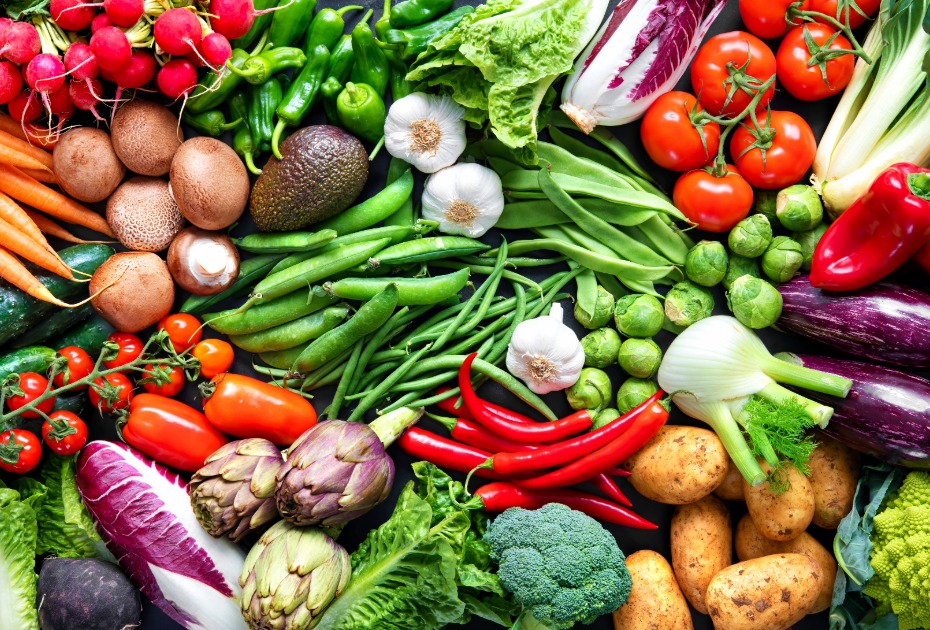
Managing pesticide residues on fresh produce is a daily reality for any busy Minnesota prep line. Make thorough cold-water rinsing a non-negotiable step on your line. It’s your most effective method for drastically reducing hidden chemicals and helping protect your guests from illness. Sticking to these exact protocols keeps your kitchen incredibly safe while maintaining the high-quality, fresh ingredients your diners expect during the Friday dinner rush.
The Reality of Chemical Residues on Produce
When you run the pass during a busy service in St. Paul, checking for chemical residue probably isn’t your first thought. Recent FDA reports show pesticide levels in our food supply meet safety limits. Conversely, the Environmental Working Group warns that chemical residues frequently cover our food. As a ServSafe instructor, I always remind my classes that keeping unwanted chemicals off the plate is simply part of our job. We can’t ignore the absolute basics of proper receiving and safe storage.
Organic vs. Conventional Ingredients
Many local spots try sticking to local, organic Minnesota farms to avoid chemicals entirely. If you manage the food budget, you know that route gets incredibly expensive fast. It’s also important to remember that organic growers still use natural pesticides to protect their crops. As a NEHA Registered Trainer, I teach managers that the “organic” label doesn’t mean pathogen-free or chemical-free. You must treat all incoming produce with the exact same level of caution.
Smart Prep Line Strategies for Kitchens
When your delivery truck rolls up, someone needs to check those boxes right away. Unusual residues on tomato skins or lettuce leaves are a dead giveaway that something was sprayed. Get your cold items into the walk-in immediately to maintain strict time and temperature controls. Leaving refrigerated produce out at room temperature causes surface chemicals to seep straight into the food. We train teams on these exact receiving standards in our Minnesota Department of Health-approved courses.
Why Rinsing is Your Best Defense
Always give everything a thorough rinse under running water and let it dry fully before you start chopping. That simple step washes away most hidden dirt and surface sprays. As an Always Food Safe Instructor & Proctor, I see kitchens skip this step when they get into the weeds. Don’t let your team cut corners on washing.
Keeping Your Kitchen Certified and Compliant
Staying on top of produce safety means keeping your management team fully certified. Here’s a huge tip for my fellow locals: Minnesota professionals who take our 4-hour recertification refresher before their current 3-year license expires get to skip the exam completely. Letting it lapse means you’ll have to retake the entire 8-hour exam. Don’t let that deadline sneak up on you.
Frequently Asked Questions About Produce Safety
 It’s totally normal to have a few questions about handling fresh produce and keeping your kitchen compliant. Here are a few common things we hear from local kitchen managers.
Does cooking vegetables destroy pesticide residues?
I constantly remind my classes that heat doesn’t actually neutralize most man-made chemicals or crop sprays. Your best line of defense is always a thorough cold water rinse before the food ever hits the pan or the oven.
Do we need to wash pre-packaged organic greens?
You don’t need to wash them if the bag explicitly says “pre-washed” or “ready-to-eat.” If that label isn’t there, you must run those organic greens through your standard washing procedure.
How early can I take my Minnesota recertification class?
You can sign up for your 4-hour refresher course up to six months before your current license expires. Getting it done early means you won’t accidentally lapse and have to sit through the whole test again.
Get Your Team Trained Today
It’s time to get your kitchen managers up to speed with the best food safety and ServSafe practices so you can confidently handle any rush. Head over to safefoodtraining.com right now to register for our next available class. If you’d prefer to set up a private session for your whole crew, just call me at (952) 210-0195 or shoot an email to info@safefoodtraining.com.