The Truth About Date Labels For Certified Food Safety Managers

COVID 19

For certified food safety managers, accurately interpreting date labels is essential for effective inventory management, regulatory compliance, and ensuring consumer safety. With varying terminology across products and jurisdictions, such as expiration dates, use by dates, and sell by dates, understanding the specific implications of each date label type is crucial for effective food safety programs.

“Use By” Date Labels: Are The Key Deadline For Certified Food Safety Managers

“Use By” dates represent the manufacturer’s estimation of when a product may no longer be safe to consume. These dates are typically applied to highly perishable items and foods with potential microbiological concerns. From a certified food safety perspective, “Use By” dates should be treated as strict cutoffs:

  • Products exceeding “Use By” dates should be discarded
  • No service or sale of these items should occur after this date
  • Documentation of proper disposal is advisable for audit purposes

This is the most critical date label for safety management as it directly correlates to potential microbial growth and pathogen concerns. When it comes to date labels, this is the only true date of expiration for certified food safety managers.

“Sell By” Dates: Inventory Management Tool

Date Labels Certified Food Safety Managers

Image by Anastasiya Badun from Pixabay

“Sell By” dates primarily serve as inventory management guides for retailers, not safety indicators for consumers. These dates help ensure product turnover while items maintain optimal quality. For certified food safety managers:

  • Products can typically be consumed safely after the “Sell By” date
  • Establish internal protocols for how long after “Sell By” dates items may remain in inventory
  • Staff training should clarify that these dates relate to quality, not necessarily safety
  • Documentation should include both “Sell By” dates and your establishment’s disposition timelines

“Best By” Dates: Quality Indicators

“Best By” or “Best Before” dates indicate when a product will maintain optimal flavor, texture, and nutritional value. These dates reflect quality considerations rather than safety concerns, particularly for shelf-stable items. Implications of Best By date labels for certified food safety managers include:

  • Products are generally safe to consume after “Best By” dates if properly stored
  • Sensory evaluation protocols should be established for products nearing or exceeding these dates
  • Quality degradation may occur, potentially affecting customer satisfaction

Certified Food Manager Implementation Strategies for Different Date Label Types

Effective date label management requires:

  • Clear, documented policies for each date label type
  • Regular staff training on interpretation and procedures
  • Systematic rotation protocols (FIFO/FEFO) aligned with label types
  • Internal verification procedures that prioritize “Use By” dates

By implementing these practices for expiration dates, certified food safety managers can maintain regulatory compliance while balancing safety requirements with waste reduction initiatives in their operations.

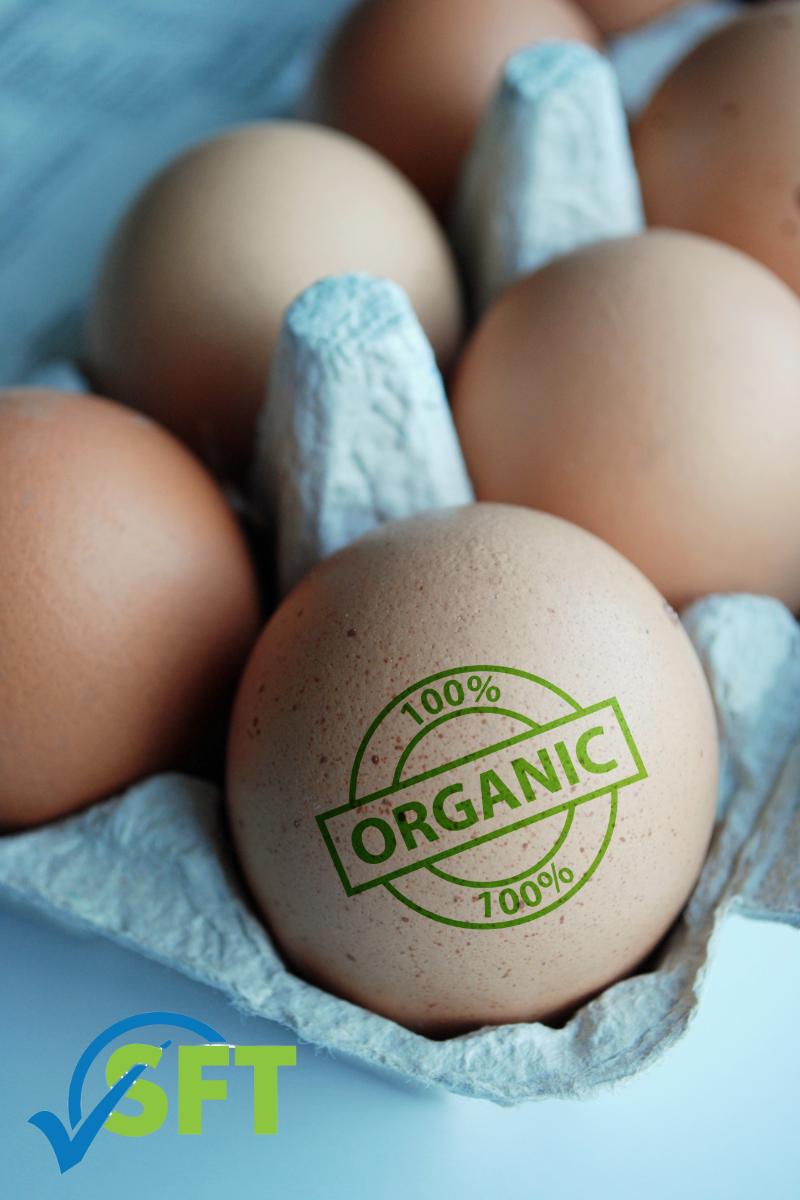
Organic vs Certified Organic: CPFMs Get The Shocking Truth You Need To Know

CFPM Distinction for Certified Organic
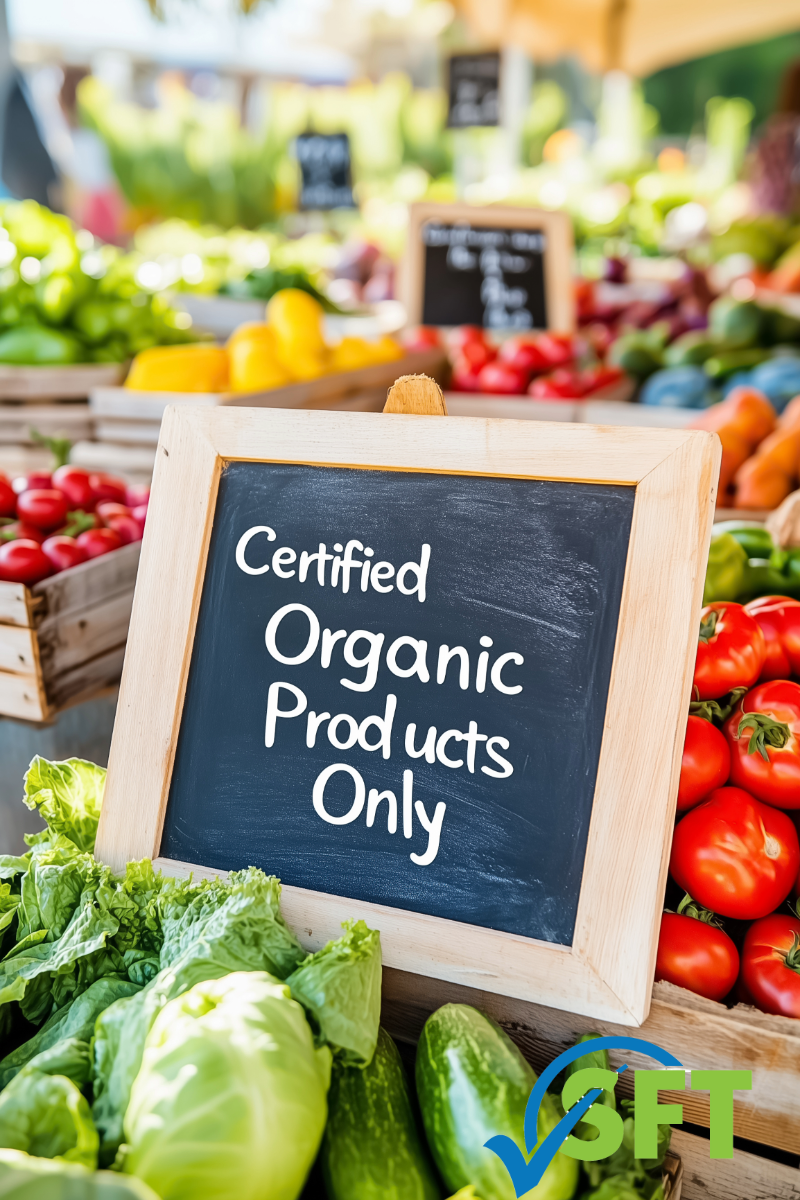
organic vs certified organic
Organic vs. Certified Organic-Know the difference.

As a certified food protection manager in Minnesota, you are the frontline defense for public health and your establishment’s reputation. With consumer demand for organic products on the rise, it’s essential to understand the critical regulatory difference between products labeled as “organic” versus those that are “certified organic.” This distinction directly impacts your operational compliance, labeling accuracy, and the trust your customers place in you.


The Ambiguity of "Organic" Claims

In contrast, the term “Certified Organic” is a legally protected claim. Products bearing this label have undergone a rigorous verification process to ensure they comply with the USDA’s National Organic Program (NOP) standards. Consumers highly trusted the USDA Organic seal, making it a valuable asset for their food businesses.

  • Rigorous Third-Party Verification: Achieving certification is a complex and rigorous process. It involves detailed documentation of all farming practices, regular on-site inspections by an accredited agent, soil and water testing, and a clear chain of custody to prevent cross-contamination.
  • Guaranteed Standards: The USDA Organic seal guarantees that the food was produced without prohibited substances, including most synthetic pesticides and fertilizers. It is a clear and enforceable standard that you can rely on.
  • Enhanced Consumer Trust: Displaying the USDA Organic seal shows your commitment to transparency and quality. It helps you build a trusted reputation with your customers, which is a critical component of a successful food business.

Why "Certified Organic" Matters for a Certified Food Protection Manager

Organic vs. Certified Organic-3-Organic vs. Certified Organic
Organic vs. Certified Organis: What you need to know.

In contrast, the term “Certified Organic” is a legally protected claim. Products bearing this label have undergone a rigorous verification process to ensure they comply with the USDA’s National Organic Program (NOP) standards. Consumers highly trusted the USDA Organic seal, making it a valuable asset for their food businesses.

  • Rigorous Third-Party Verification: Achieving certification is a complex and rigorous process. It involves detailed documentation of all farming practices, regular on-site inspections by an accredited agent, soil and water testing, and a clear chain of custody to prevent cross-contamination.
  • Guaranteed Standards: The USDA Organic seal guarantees that the food was produced without prohibited substances, including most synthetic pesticides and fertilizers. It is a clear and enforceable standard that you can rely on.
  • Enhanced Consumer Trust: Displaying the USDA Organic seal shows your commitment to transparency and quality. It helps you build a trusted reputation with your customers, which is a critical component of a successful food business.

Best Practices for Handling Organic Products in Your Operation

Incorporating certified organic products requires more than just purchasing them; it demands specific handling procedures to maintain their integrity throughout your operation. As a food manager, implementing clear protocols is crucial to ensuring compliance and delivering on the promises made on your menu.

  • Verify at Receiving: Train your staff to do more than just check for quantity and temperature upon delivery. They must learn to identify the USDA Organic seal or other recognized certification marks on packaging and cross-reference them with invoices. Do not accept a supplier’s verbal claim alone.

  • Prevent Cross-Contact: Maintaining organic integrity is like managing allergens. Implement procedures for separate storage, preparation surfaces, and utensils for certified organic ingredients to prevent contact with conventional foods.

  • Ensure Accurate Labeling and Training: If you label a menu item as “certified organic,” every ingredient within that item must meet the standard. Train your team on these handling requirements to ensure they understand the importance of maintaining organic integrity from the stockroom to the customer’s plate.

Understanding these distinctions is essential for any certified food protection manager seeking to ensure regulatory compliance and establish a brand centered on trust. Protecting your customers and your reputation starts with expert knowledge. Ensure you and your team are prepared to meet Minnesota’s food safety standards by enrolling in our personalized, instructor-led certified food protection manager course

Contact Safe Food Handling Minnesota today to schedule training for your team.

Expert Tricks for Keeping Buffet Items at Safe Temperatures

Keeping buffet items at safe temperatures is crucial for both food safety and quality. Proper temperature control prevents the growth of harmful bacteria and ensures that your guests enjoy a safe and delicious dining experience.

Temperature Control and Monitoring

Understanding the Temperature Danger Zone

The temperature danger zone, ranging from 41°F to 135°F (4°C to 60°C), is where bacteria multiply rapidly. Foods should not remain in this range for more than 2 hours, or 1 hour if the ambient temperature is above 90°F (32°C).

Expert Tricks for Keeping Buffet Items at CFPM Safe Temperatures
Image credit: vershininphoto via 123rf

Utilizing Food Thermometers for Precision

Use calibrated, digital food thermometers for accurate temperature monitoring:

  • Check hot foods every hour
  • Monitor cold foods every 2 hours
  • Record temperatures in a log for tracking and accountability

Regular temperature checks ensure that buffet items remain at safe temperatures throughout service.

Implementing Effective Heating Solutions

To keep hot foods at 135°F or warmer, use equipment such as:

  • Chafing dishes with fuel
  • Electric warming trays

Hot dishes such as meats, casseroles, and soups should be kept at a minimum temperature of 135°F to prevent bacterial growth.

Ensuring Cold Food Stays Cold

Maintain cold foods at or below 41°F (4°C) using:

  • Ice baths or nesting dishes in bowls of ice
  • Refrigerated or insulated serving units
  • Well-insulated coolers or containers

Replace ice as it melts and use shallow containers to help maintain cold temperatures.

7 Best Practices in Food Handling and Hygiene

  1. Preventing Cross-Contamination
  2. Separate raw and cooked foods during storage and preparation
  3. Use color-coded cutting boards and utensils
  4. Arrange foods strategically in the buffet area to prevent cross-contamination
  5. Importance of Staff Training and Supervision
  6. Develop a comprehensive training program on food safety and temperature control
  7. Conduct regular refresher courses

Additional Tips for Keeping Buffet Items at Safe Temperatures

  • Use a food thermometer to regularly check the internal temperature of dishes
  • Keep extra hot items in warming ovens and cold items in refrigerators until needed
  • Discard perishable foods that have been left out for more than 2 hours (1 hour in hot weather)

By implementing these practices for keeping buffet items at safe temperatures, food managers can significantly reduce the risk of foodborne illnesses and maintain the quality of buffet offerings.

How CFPMs Address The Foodborne Illness Challenge

CFPMs can meet the foodborne illness outbreak challenge.

In the last few months, we’ve seen numerous media reports on foodborne outbreaks caused by everything from baby carrots to McDonald’s Quarter Pounder. This publicity does not benefit the food and beverage industry. It can have a chilling effect and discourage customers from visiting your establishment. This week, we will begin a series of blogs that provide information on how CFPMs can meet the foodborne illness outbreak challenge.

First, let’s take a look at the problem. According to the CDC:

  • Over 45 million Americans get sick from foodborne illness each year
  • 128,000 are hospitalized
  • 3,000 die from foodborne disease
  • Foodborne outbreaks in the US have increased by 43% since 2013
  • Over 1/2 of the foodborne illness outbreaks reported to CDC are associated with eating establishments or delicatessens

There’s no debate that foodborne illness is a challenge that CFPMs need to address!

Tips On Preventing Foodborne Illness for Certified Food Protection Managers

Foodborne illness outbreaks are not a new issue for CFPMs, but they have recently become more acute because of all the media coverage. Let’s review the basics from a high level. There are a few essential components of a safely operating Food establishment.

  • Sick employees will be sent home
  • Provide a clean work environment
  • Ennforce personal hygiene among production and service staff
  • Stay up-to-date about recent food recalls
  • Choose suppliers with a proven track record for food safety and check all incoming supplies
  • Educate staff and enforce proper handling of food during storage, preparation, and presentation processes

Employees should be encouraged to call in sick if they have respiratory, stomach, or flu-like symptoms. If someone develops symptoms during their shift or comes in with symptoms, the CFPM or PIC should send them home before they contaminate customers and staff.

Certified food protection managers must ensure a clean work environment to deliver safe food products to their customers. Environment broadly means physical structure, equipment, and personal hygiene. Staff should wear clean uniforms and have an ample supply of gloves where appropriate. The kitchen staff should clean all production equipment after every use. Workstations, storage areas, and floors must be cleaned regularly. Don’t forget a clean and accessible bathroom.

Can you imagine how horrible you would feel if one of your customers became ill because you served a recently recalled product? CFPMs can quickly and easily check for recently recalled food products that could cause a foodborne illness outbreak in several ways. You can sign up for recall alerts from the Food & Drug Administration. CFPMs can also go to the “Safe Food For Thought” blog site and look in the right-hand column for the CDC Food Safety Recall (highlighted in red below).

How CFPMs Address the foodborne illness Challenge

Maintaining a High-quality Product

To minimize potential foodborne illness outbreaks, CFPMs should be very picky about food product suppliers, whether national suppliers or local farmers. All should inspect the product before delivery, monitor upstream suppliers, and have a system to identify and alert any questionable products. However, it is up to the CFPM to do a final inspection of the delivered products.

Finally, certified food protection managers should have regular team education meetings to reduce the possibility of an outbreak by emphasizing the clean, separate, cook, and chill processes. Safe Food For Thought will help you with this task. We will be posting a series of blogs that focus on how to identify the most common foodborne diseases and tips for cleaning techniques and equipment maintenance that will help prevent the spread of foodborne outbreaks.