Timely ServSafe Food Manager Guide To Preventing A Halloween Nightmare

Jill Anderson

Vampires, goblins, zombies, the ghost under the bed, and peanuts: Halloween is coming, and these terrifying evils will be everywhere. We all love a good scare this time of year, but no costumed ghoul frightens parents more than hidden allergens in Halloween treats. Let’s do a ServSafe food manager review for lurking Halloween allergens.

 ServSafe Food Manager Guide to Preventing a Halloween Nightmare
Image credit: Jill Anderson via Flickr

ServSafe Food Manager Tips For Allergy-Safe Halloween Activities

Parents are picky when it comes to where their kids trick or treat—especially those parents with children with severe food allergies. Halloween is one of the biggest holidays for ServSafe food managers to attract children and families to their facilities. Halloween parties are frequently held in school cafeterias or banquet halls. Our challenge is ensuring we don’t inadvertently serve items that could cause a reaction. Here are a few ideas:

  • Identify potential allergens used in your facility
  • Provide an ingredient list for all treats
  • Serve only pre-packaged food from reliable sources

It helps to ease parent’s minds when they know what their kids are putting in their bodies. If you have food allergies, have kids with food allergies, or know someone who does, then you probably have felt that sense of panic when someone you know could have a severe allergic reaction. The feeling is incredibly intense when ingesting something with unknown ingredients is possible. Knowledge and full disclosure help ensure little goblins choose allergen-free Halloween snacks.

The first step for a ServSafe food manager considering a Halloween event should be to post if your facility processes or uses common allergens such as peanuts, shellfish, wheat, and dairy. Following this up with posted ingredients for each item served will allow parents to make good choices in finding allergen-free Halloween treats. You don’t necessarily have to give away all your recipes and baking secrets. Simply informing party attendees of the ingredients used prevents accidental ingestion of allergens during a ServSafe food manager Halloween event.

The Safest Option

Finally, serving prepackaged Halloween treats from reliable sources with clearly labeled ingredients can be the safest way to host a Halloween event and minimize the risk of guests coming into contact with allergens. We know that many restaurants and other outlets use Halloween to expose as many people as possible to their product or menu items, but sometimes playing it safe and providing prewrapped candy and allergen-safe Halloween treats will show parents that you’re looking out for their children’s health. They may return to sample your cuisine another time.

Do you host Halloween events, and if so, what steps do you, as a ServSafe food manager, take to serve items free from allergens?
Food Safety Training Uncovers The Truth About Commercial Food Slicers

Food Certification MN and Keeping a Clean Slicer

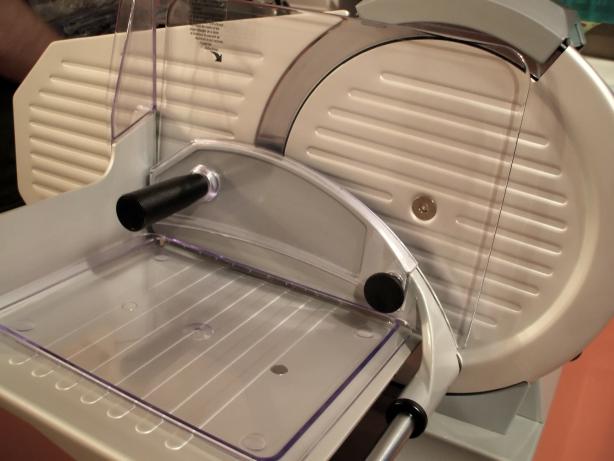
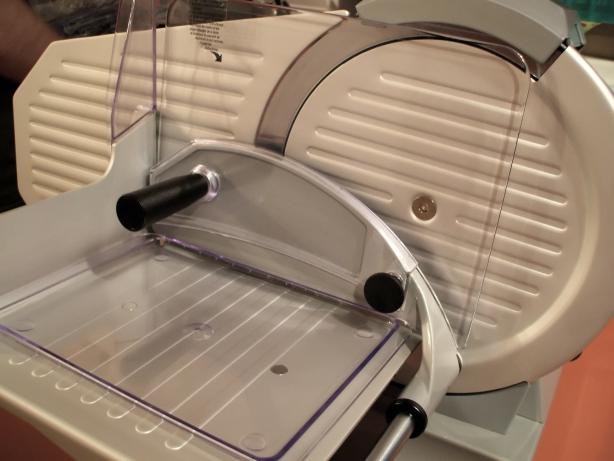
Food safety certification training recommends keeping your food slicer clean to prevent cross-contamination and spoiling products from creating a health hazard. You’ve learned in your food safety certification MN training that cross-contamination is a common cause of foodborne illness. The industrial meat slicer can be a breeding ground for many bacteria that can make your customers sick, and we feel that the commercial slicer requires extra care when cleaning and should never be neglected during your daily routine.

Food Safety Training Uncovers The Truth About Commercial Food Slicers

Food Safety Certification Training Focused On Keeping The Commercial Slicer Clean

It is essential to thoroughly clean and sanitize your slicer after each use. This can be a time-consuming process, but it is necessary. We’ve noticed that many busy outlets that use their slicer constantly, such as delicatessens, do not thoroughly sanitize them during the day. Simply wiping the slicer down with a damp cloth is not suffient Ensure to thoroughly clean the blade, slicing tray, and handles regularly. To ensure thorough cleaning of the slicer, it may take some time and require removing several parts. This thorough process is essential. For the safety of employees, it is imperative to turn the slicer off and unplug it prior to cleaning.

There are ways to reduce the number of times you must take your slicer apart to clean it during normal activities. Plan your slicing routine according to the types of food you are slicing. Slice all of your cheeses simultaneously, then move on to cooked sandwich meats and finish with any raw proteins, ensuring that your slicer is cleaned and sanitized between each step.

Always clean and sanitize the slicer immediately after use, if it will be inactive for any length of time. Small particles of cheese or meat can fester in unseen places and create a cross-contamination nightmare. Just because your slicer looks clean doesn’t necessarily mean it is. “Before each use, inspect your blade for any leftover debris.”

To maintain the safety of the food you serve your guests, it is crucial to properly care for all the equipment, including the slicer, as recommended by food certification training. Do you have a piece of equipment in your facility that you feel needs more attention than it currently gets?

CFPMs Learn The Truth About Food Truck Operation

MN Certified Food Manager and Food Truck Operation

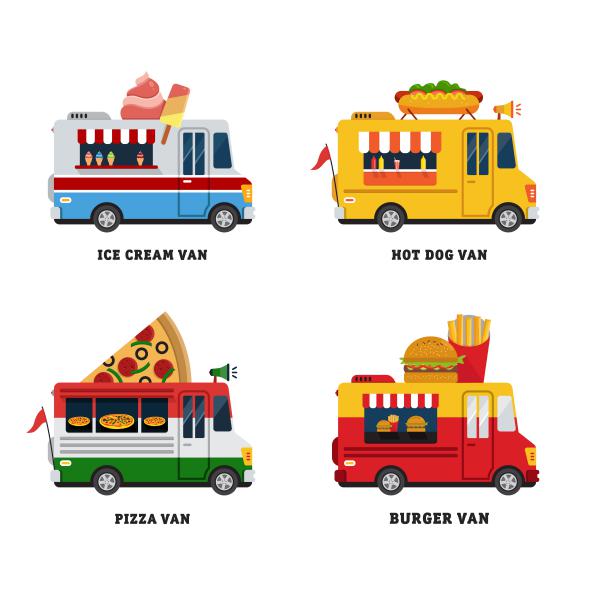
From a financial standpoint, owning a restaurant is out of the question for the average certified food protection manager (CFPM). Most chefs do not have the financial backing to purchase or build a restaurant, and many banks consider restaurants a high-risk opportunity, making financing hard to come by. Is being your own boss out of reach for all but a few food service workers? Buying and operating your food truck may be feasible if you’re ready to be independent but have limited financial resources. Still, CFPMs should know that the Minnesota Food Code has specific guidelines for food truck operators, especially those looking to start a food truck venture.

MN Certified Food Manager and Food Truck Operation

CFPMs and the Food Truck Revolution

The Minnesota Department of Health set up particular rules that food truck operators must follow to keep the food they serve safe. Some regulations that create a challenge for food truck owners/ CFPMs include:

  • Handwashing
  • Hot food holding
  • Dishwashing

Just like in a typical food production facility, handwashing stations must be present and have ample hot water, soap, and paper towels. Operating a food truck with self-contained plumbing can pose challenges in setting up handwashing stations. When acquiring or designing a food truck, it’s crucial to guarantee that the water tanks are engineered to hold enough water to last the entire day. Not all food trucks have on-site water hookups, so you cannot depend on a water source at every location you serve.

Hot food holding can also be an issue when providing food service from a mobile unit. Plan a menu that is easy to cook to order and does not require hot holding. If you plan to keep any food hot, it’s crucial to ensure that the food truck is equipped with heat lamps, chafing dishes, or a steam table to keep the food out of the danger zone.

Dishwashing Will Be A Consideration

Finally, dishwashing can be an issue. If you only have a limited water supply, you won’t want to waste it on washing plates and silverware. We strongly recommend using recyclable plates, utensils, and other items to serve your guests. As for cooking tools used during service, CFPMs will find keeping a backup of items such as tongs, spatulas, and other tools essential for operating a food truck is important.

Are you a MN Certified Food Protection Manager looking to branch out by purchasing your food truck? Leave us a comment or a question below, and we’ll anonymously address any other concerns you may have in a future blog.

Tested Advice On Handling A Food-Borne Illness Outbreak For CFPMs

Minnesota has had no major food-borne illness outbreaks in the last few months. However, in 2023, Minnesota was at the center of a salmonella outbreak that killed two people in our state. While we hope that your establishment is never the cause of a food poisoning case, we felt it necessary to discuss what CFPMs should do if a food-borne illness outbreak occurs.

handling a food-borne Illness Outbreak for CFPMs
Image credit: lightwise via 123rf

Most customers will never know what you do behind the scenes when your food is being served safely and free from contaminants. However, if your guests begin getting sick, the public will quickly learn you have had food safety problems.

CFPMs and Food-Borne-Illness Outbreaks

 
The first thing any certified food protection manager should do if a guest becomes ill is assess the situation. Find out exactly what your guest consumed, and make sure to examine any of the remaining product in your inventory. If it is evident that your supply has become contaminated, stop using it immediately. Ensure it’s stored at the right temperature and hasn’t come into contact with compromising sources. If you have stored it properly, you may wish to contact your supplier to inform them that you have received a contaminated product.

If an illness spreads beyond a single guest, it could indicate a more serious situation. The certified food manager should collaborate with the local health department to identify the cause if there is a suspected food-borne illness outbreak. It’s important to keep in mind that the health department is there to help you ensure the safety of your food for your guests. By being honest and not concealing any information from them, they can offer valuable assistance in addressing food safety issues that have resulted in your customers receiving contaminated food.

Finally, consider bringing in a professional to provide your staff with a refresher course on food safety. Safe Food Training can tailor a CFPM lesson plan to address your specific situations. For example, SFT can create a segment to handle a suspected food-borne illness outbreak. We can even come to your place of business to train your entire staff.

Fix It and Prevent a Recurrence

When a food safety issue affects the public, immediate and dedicated action is necessary to fix the situation and prevent it from happening again.

We never like to see any restaurant or food producer in the news due to a food-borne illness outbreak. Quality training and diligence are the keys to food safety. Feel free to contact Safe Food Training if you would like to schedule specialized training for your staff.