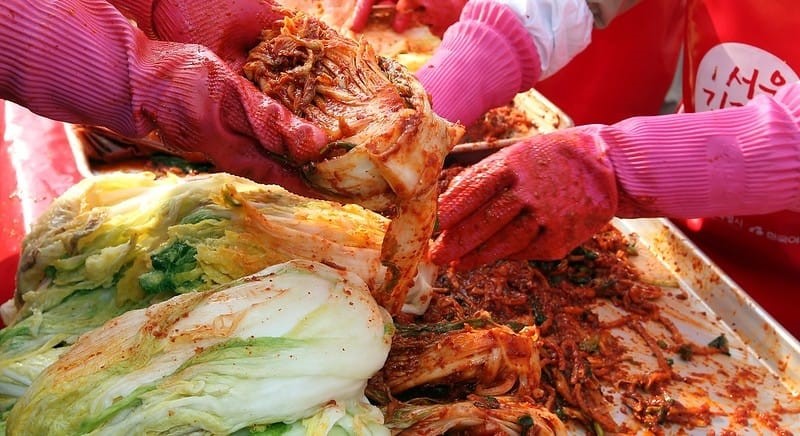
Announcing A CFPMs Guide To Proper Handwashing Sink Locations

Announcing A CFPMs Guide To Proper Handwashing Sink Locations

We talk a lot about proper handwashing procedures as the best foodborne illness prevention, but many times the areas surrounding handwashing sinks are overlooked by certified food protection managers. Let’s take a closer look at how CFPMs properly maintain the area around your handwashing sink locations.
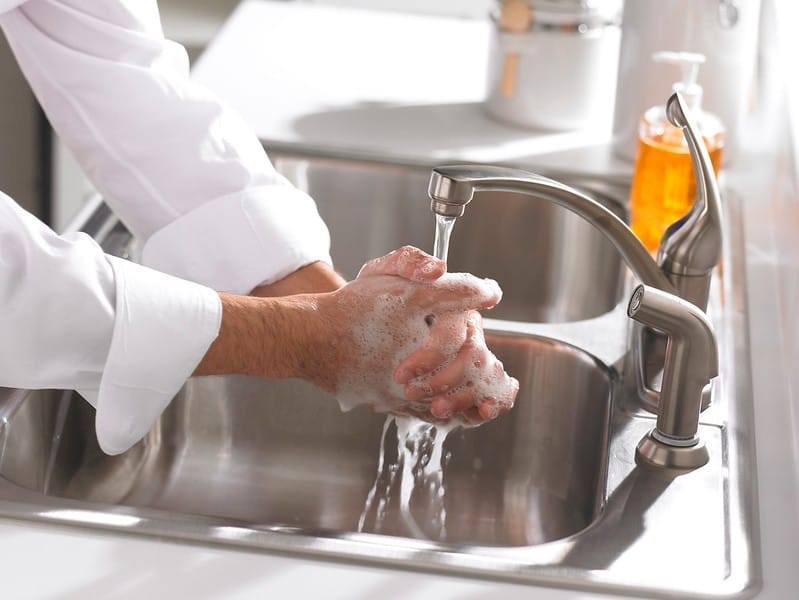
Announcing A CFPMs Guide To Proper Handwashing Sink Locations
Image credit: USDA via Flickr

How To Set up a Proper Handwashing Sink Location For CFPMs

CFPMs already train their staff on how to properly use and stock a handwashing station, but, as a quick review, remember your handwashing station should be supplied with:

  • Hot Water
  • Soap
  • Paper Towels of Air Dryer
  • Fingernail Brush

This is usually one of the first things covered in any online or in-person CFPM training course. What may be misunderstood is what the area surrounding your handwashing station should look like. There can be foodborne illness risks involved if your sink location isn’t properly arranged or installed.

First CFPMs should make sure, your handwashing sinks should be easily and immediately accessible. They should be in the food preparation areas and not located behind closed doors. If you block your handwashing sink with storage racks or other equipment, it serves little use if your staff cannot wash their hands. A restroom sink should also not be considered a handwashing sink as door knobs and handles may be contaminated if touched after washing your hands.

Another thing to consider is the relative location to preparation surfaces or clean dish storage. If your handwashing sinks are in close proximity to clean spaces in your kitchen, make sure that there is no risk of water or soap splashing on sanitary items or surfaces. Ensuring there is a gap between these areas and your handwashing station will reduce the risk of contamination from dirty water and handwashing soap.

Finally, CFPMs should avoid storing any food product or clean utensils above and below handwashing station. Doing so may increase the risk of contamination from dirty hands or water used in the handwashing process.

Have you taken the time to evaluate your handwashing stations?
A Valuable Certified Food Protection Manager Refresher On Cooling Procedures

A Valuable Certified Food Protection Manager Refresher On Cooling Procedures

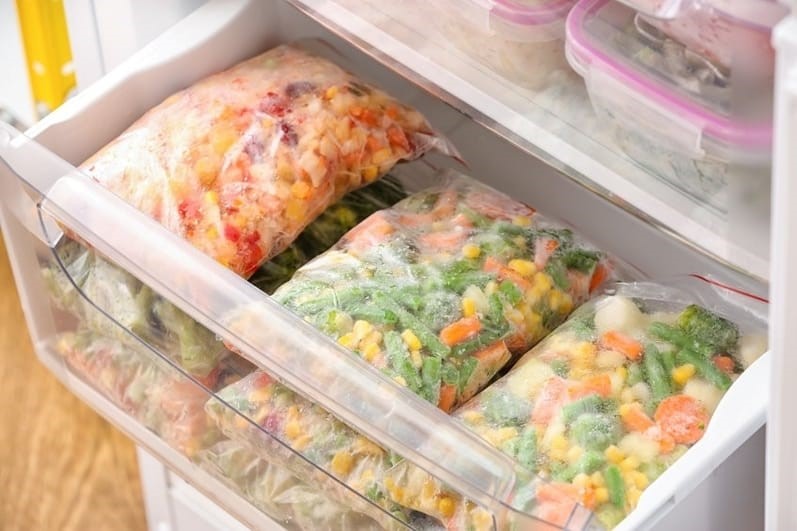
Having product prepared ahead of time can make for smooth service during the dinner rush and gives certified food protection managers time to concentrate on menu items that need to be prepared at the moment. If you rely on cooking hot foods in advance to be ready to reheat, it may be a good time for your certified food protection manager to review proper cooling procedures with your staff.

A Valuable Certified Food Protection Manager Refresher On Cooling Procedures
Image credit: serezniy via123rf

Cooling Times and Temperature Review for Certified Food Protection Managers

The key to making sure that cooling foods are kept safe from foodborne illness is to chill it as fast as possible so that it doesn’t stay in the danger zone for an extended period of time. Food that sits between 41 degrees and 135 degrees has an elevated risk of growing bacteria, especially if left at that temperature for over longer than is reasonable. If your food was prepared at room temperature, you have four hours for your product to reach 41 degrees. If foods are prepared at temperatures over 135 degrees, they must reach 70 degrees within two hours and 41 or below within six total hours from the start of the process.

MN food code and certified food protection manager training reinforces that this chilling process should happen as quickly as possible, so make sure you utilize the following methods:

  • Ice water baths
  • Separating liquid product into shallow hotel pans
  • Slicing solid product to portions four inches thick or less
  • Sanitized cooling wands
  • Rapid cooling equipment such as blast chillers
  • Adding ice as a final ingredient

If you don’t have access to a blast chiller, the fastest way to cool hot product is by reducing portion size and cooling it in your walk-in in shallow pans. If you want to expedite the process for soups, sauces and other liquids, you can add ice as the last ingredient of your recipe. This is quite effective for menu items that have a water or stock base, to begin with.

Ice water baths are also incredibly effective, and when combined with a frozen cooling wand, can bring your chilling product below 41 degrees rapidly.

Has your certified food protection manager taken the time to evaluate cooling procedures in your facility?

Revealing Risks In Guest Restrooms For Food Protection Managers

Revealing Risks In Guest Restrooms For Food Protection Managers

We usually focus on areas of food safety in staff areas of food businesses, but there are health risks that can occur in spaces specifically set aside for guests. Guest restrooms hold the potential to spread illness if not properly cleaned and sanitized. While we’d never suggest that you serve guests in your restrooms, it’s important food protection managers to realize that there are health risks that can arise from the condition of your facilities.

Revealing Risks In Guest Restrooms For Food Protection Managers
Image credit: kzenon via 123rf

Public Restrooms Sanitization Tips for Food Protection Managers

The cleanliness of your guest restroom greatly influences your guests’ perception of the cleanliness of your entire restaurant. You could have an immaculate kitchen, but if a patron enters an unsanitary restroom, they’ll question whether or not your entire establishment is sanitary. We strongly suggest that you make every effort to keep your public restrooms in the same state as your staff facilities. Every restroom should:

  • Be stocked with plenty of soap and paper towels
  • Be devoid of standing water on counters and floors
  • Have hot water readily available
  • Be regularly inspected for cleanliness
  • Have frequently touched surfaces sanitized often
  • Have a hand washing poster on display

At bare minimum, your guest facilities must be stocked with hot water, soap dispensers and plenty of paper towels. However, food protection managers should consider installing hand-free soap dispensers and hand dryers in their guest facilities. Over the course of your business day, numerous guests will touch soap dispenser pumps with bare hands leaving bacteria and other contaminates on the pump. These will transfer to the hands of other guests. If your guests do not thoroughly wash their hands, these pathogens might remain and cause a health risk when they return to their tables to eat.

Standing water not only makes your restrooms look unsanitary, bacteria can form on countertops that can cause a risk. Your food protection manager should assign staff members to regularly inspect restrooms to ensure this is not the case. During these inspections, they should also check soap and paper towel supply and sanitize door handles. Restroom door handles are constantly touched by unwashed hands and pose the greatest risk for contamination.

Finally, display a poster as a friendly reminder that handwashing is important. This will offer a simple suggestion to guests to wash their hands before returning to their table.

Do you have outlined procedures for keeping guest restrooms clean and sanitary?

How To Get A Specialized Process Approved By The MN Health Department

Specialized Process Approved By MN Health Department

During in-person certified food protection manager training, we get the opportunity to discuss food safety issues that are unique to our students’ businesses. On occasion, we have students looking for clarity on specific food preparation methods that may not directly be covered by the Minnesota food code. If there the code lacks guidelines that specifically address a certain cooking process does that mean that there are no rules or that that process is not allowed? The answer isn’t always that simple, so let’s take a look at how certified food protection managers can evaluate and get MN Department of Health approval for specialized processes not directly covered by the food code.

Specialized Process Approved By MN Health Department
Image credit: Malu Zhao via Flickr

Tips For Certified Food Protection Managers Using Specialized Processes Not Covered By MN Department of Health Food Code

When we refer to specialized processes, we’re talking about cooking and curing methods beyond the basics. Some specialized processes we’re asked about include:

  • Fermentation and Canning
  • Curing Meats
  • Reduced Oxygen Packaging
  • Operating a Live Shellfish Tank

All four of these specialized processes and others not outlined by the current Minnesota Department of Health food code require a written hazard analysis and critical control point plan (HAACP) and a variance approved by the health department. Without this variance, your business could fail a health inspection if you do not have an approved HAACP in place.

Fermentation and canning require a variance because they involve preservation processes that utilize additives such as vinegar or fermenting product outside of approved temperatures. Some examples include kimchi, jams and pickled items. Curing meats involves adding nitrates and other preservatives to create charcuterie, salami, jerky and other preserved items. These processes are not regulated by the current heath code and would be outlined as violations if not approved by your local health department.

The rules surrounding reduced oxygen cooking and packaging processes such as sous vide, vacuum packaging and other modified oxygen processes are also not clearly outlined and require special guidance from the health department. Some seafood restaurants may choose to keep live shellfish on display in a tank where customers can choose their meals, while it may not seem like a large risk, these types of display aquariums that contain servable product must be also approved.

Obtaining a variance isn’t as difficult as it may seem. Most health inspectors are willing to work with certified food protection managers in order to keep food safe and allow for creativity. Before applying for a variance make sure your consider a written plan that includes:

  • A food safety hazard analysis
  • Critical control points
  • Limits for preventative measures
  • Monitoring procedures
  • Corrective actions during monitoring
  • Effective record keeping protocol
  • Procedures to ensure the HAACP is working

If you have any trouble constructing a HAACP plan, it may be wise to consult with your local health inspector to ensure that your procedures are keeping your specialized processes safe .

Do you use Special preparation procedures not outlined by the Minnesota food code that may need MN Health Department approval?