Simple “Time As Public Health Control” Tips For CFPMs

Simple Time As Public Health Control Tips For CFPMs

Some events and food service situations may not benefit from instant service or hot and cold held buffet lines, so the Minnesota food code has procedures that allow certified food protection managers to utilize time as public health control (TPHC) to help you keep the food you serve safe, even if you aren’t serving it instantly. Let’s take a moment to review exactly how Certified Food Protection Managers can use TPHC in certain situations.

Buffet use of Time As Public Health Control Tips For certified Food Protection Managers
Image credit: Wikimedia commons

How Certified Food Protection Managers Can Best Use TPHC

Just a quick note before we begin. If you are the certified food protection manager at a facility that serves an immunocompromised or susceptible population, it’s best not to utilize time as a public health control. Assisted living facilities, hospitals, certain school and other outlets that serve a susceptible population should rely on hot and cold holding temperature control. TPHC is technically allowed for food that does not include eggs in some of these situations, but caution may be the best course of action.

The rules behind TPHC control are rather simple, but there are a few steps you must take when using this method. The basics of TPHC are:

  • Hot foods above 135 degrees can be held for four hours after removed from temperature control
  • Cold foods below 41 degrees can be held for four hours after removed from temperature control
  • Cold foods can be held for six hours after being removed from temperature control if the monitored temperature never rises over 70 degrees

Just to summarize time as public health control for CFPM use, any foods pulled out of hot holding above 135 degrees or cold storage below 41 degrees can be held for four hours without hot holding or cold holding. Cold foods can be held up to six hours if temperatures are monitored closely.

Once the holding process begins, it cannot be extended by reheating or chilling items. Once these items have been removed from a temperature controlled environment, your timer starts and cannot be paused or extended by any means. As soon as your four, or six, hours have expired all food must be discarded. It cannot be stored, reheated or served at a later time under any circumstances.

Finally, make sure that you have written TPHC procedures outlined and available should a health inspector wish to review them. It’s also important that every staff member understands the restrictions of TPHC before service begins.

Does your certified food protection manager utilize time as public health control?

Valuable Procedures For CFPMs Who Are Serving Raw Fish

Procedures For CFPMs Who Are Serving Raw Fish

Raw fish dishes are a popular summer time item as guests crave sushi, sashimi, poke or fish tartare on hot days. Fish served raw, undercooked or cooked with acid rather than heat can pose a higher foodborne illness risk than fish cooked to temperature, so how can certified food protection managers prepare these dishes in a way that is safe for their guests? Let’s take a look at how CFPMs (Certified Food Protection Managers) can reduce the chances of sickening a guest when serving one of these tasty and popular raw fish dishes.

Valuable Procedures For CFPMs Who Are Serving Raw Fish
Image credit: greenartphotography via 123rf

How CFPMs Can Serve Raw Fish Dishes Safely

For the intent of this discussion, when we refer to raw fish dishes we’re referring to fish that has not been cooked to temperature. While dishes such as ceviche, crudo and some tartare dishes may have been cooked or cured with acids such as citrus juice or vinegar, they still haven’t reached a temperature that kills pathogens. Seafood and fish pose a high risk of spreading illness via parasites and there are two effective ways of killing these parasites: cooking and freezing.

Since we’re talking about raw fish appetizers and dishes, cooking is not an option, so certified food protection managers must either freeze fresh fish or ensure that it has been previously frozen by the supplier or distributer. Before serving raw fish verify that you or your supplier has:

  • Frozen and stored fish at -4 degress or below for seven days
  • Frozen fish to a solid -31 degrees then stored at -31 degrees for 15 hours
  • Frozen fish solid at -31 degrees and then stored at -4 degrees for 24 hours

This procedure must be followed for all fish that is intended for raw consumption with one exception. Note that fish must be frozen solid before you start factoring in frozen hold time. Certain species of fresh tuna does not require freezing before serving raw. These species commonly go under the names of:

  • Yellow Fin
  • Northern or Southern Blue Fin
  • Bigeye Tuna

Fish eggs that have been properly harvested and rinsed may also be served raw without the freezing process. While we’ve focused on fish in this article, we should note that molluscan shellfish and seas scallops fall under different guidelines. Before deciding to serve raw oysters, mussels or clams, you may want a quick refresher on serving molluscan shellfish in the summer.

Do you enjoy raw fish dishes on a hot summer day?

Important Filing Deadlines For Your Food Protection Manager Certificate

Important Filing Deadlines For Your Food Protection Manager Certificate

We all know that restaurants and other establishments that serve or prepare food are required to have a Minnesota certified food protection manager on staff to ensure that the food they prepare is safe and that sanitation procedures are being properly followed. However, there is often some confusion as to what paperwork needs to be filed with the health department and when you have to document proof of a passed food protection manager exam. In order to clear up some of the confusion, let’s take a closer look at what steps CFPMs must take after gaining their food protection manager certificate.

Important Filing Deadlines For Your Food Protection Manager Certificate
Image credit: 123rf and creative commons

How to File Your Food Protection Manager Certificate With The State

Every once in a while, we run across students who pass the certified food protection manager exam and are unclear if there’s anything else necessary in order to be properly certified. Simply taking in-person or online food safety management training and gaining your certificate is not enough to completely comply with the Minnesota food code. Candidates who pass their initial exam or complete a renewal course must complete the paperwork with the Minnesota Department of Health, and they have a limited time to do so.

Once you’ve passed the exam, you must fill out an initial CFPM application if this is your first submission or a CFPM renewal application when renewing your certificate. These then must be mailed to the department of health at the address listed on the application form. Included in the application should be a copy of proof of attending at least four hours of food management training or successful completion of the CFPM exam.

The exam certificates have expiration dates that are up to five years, but that doesn’t necessarily mean that you have five years to send a copy of your certificate to the Minnesota Health Department. Most food management exam programs are accepted in multiple states, so the expiration date on your certificate does not give you added time to submit your CFPM application. The state of Minnesota requires the application to be submitted with six months of passing the course.

We’ve been asked if there is anything that can be done if this deadline is missed, and unfortunately, if you forget to apply before the six months is up you must repeat the course and retake the exam. Don’t frame your food protection manager certificate immediately or leave it in a drawer to be forgotten, make sure you file your CFPM application with the state as soon as possible after successful training.

Certified Food Protection Manager And Awesome Summer Ideas For Mollusks

Certified Food Protection Manager And Awesome Summer Ideas For Mollusks

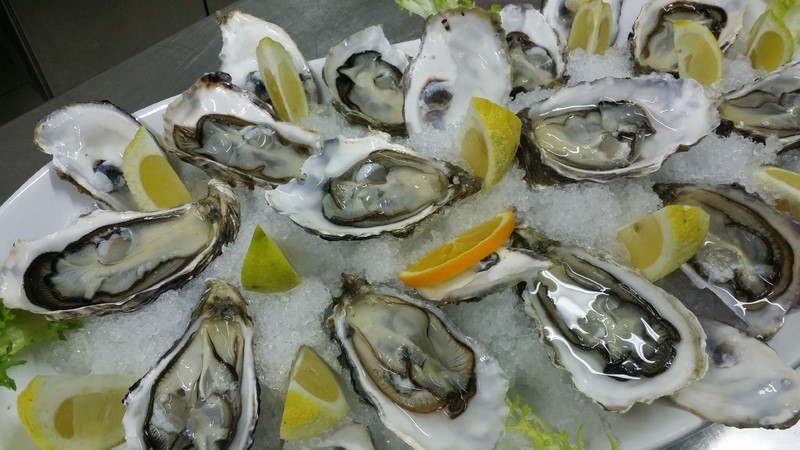
We’ve all heard the advice: Only eat oysters in months ending in “r.” When the temperature of the waters of the Pacific Northwest, Atlantic Coast and the Gulf of Mexico rise, so does the risk of spreading a foodborne illness from a pathogen known as vibriosis. Vibriosis poisoning can cause vomiting, diarrhea and other stomach ailments in most cases. Many times the illness is labeled as minor, if you call spending extra time in the restroom minor, but certain people may be more susceptible to vibriosis and the effects of consuming contaminated oysters, mussels and clams could be deadly. Does this mean that certified food protection managers should pull all mollusks off of their menus as the weather turns warmer?

Certified Food Protection Manager And Summer Ideas For Mollusks
Image credit: pxhere.com

Can Certified Food Protection Managers Serve Oysters in the Summer?

The most common vehicle for vibriosis poisoning is oysters, but mussels and clams can also be culprits, although rarely. Why is that?

Quite simply, mussels and clams are almost always cooked while oysters are commonly served raw on the half shell or in oyster shots. The method of preparation is no coincidence. The pathogen that causes a vibrio infection can be killed by heat, meaning that cooking shellfish completely greatly reduces the risk of exposure.

While we don’t recommend serving raw or undercooked oysters in warmer months, that doesn’t mean this sought after shellfish must vacate menus completely. Oysters can be grilled, sautéed or cooked on the half shell. If you have a clientele that will demand oysters all year long, a talented certified food manager can devise ways to keep molluscan shellfish on the menu without serving them raw.

If you serve mollusks any time of the year, make sure you discuss the water conditions with your suppliers every time you order. Some shellfish farms may experience shortages due to incredibly hot water conditions, pollution or other contaminates in the water. Also keep a close eye on the FDA’s recalls, advisories and outbreaks list.

Finally, certified food protection managers should check the source label that should come with every shipment of molluscan shellfish. If this tag or label is missing, you must not accept delivery. Keep this tag or label for at least 90 days after they were sold or served.

Note: Shellfish cooked before shipment are exempt.

Do you keep mollusks on your menu all year long?