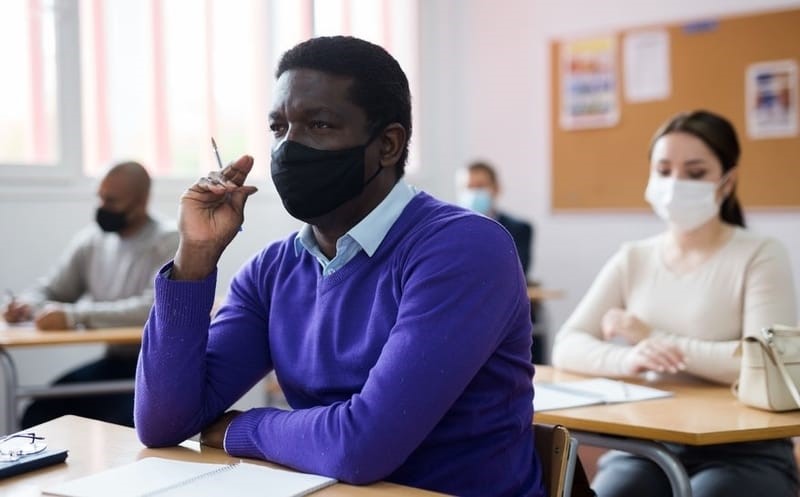
CFPMs and an FDA Warning on Imported Sanitizers

CFPMs and an FDA Warning on Imported Sanitizers

We’ve seen an increase in food facilities providing hand sanitizer for both guests and staff, but just because something is labeled as a sanitizer, it doesn’t necessarily make it safe to use. Recently, the FDA issued an alert concerning all sanitizers imported from Mexico. How will this FDA alert regarding hand sanitizers affect CFPMs and the safety of their staff and guests?

CFPMs and an FDA Warning on Imported Sanitizers
Image credit: Andriy Popov via 123rf

Ramifications of the FDA’s Alert Regarding Mexican Sanitizers for CFPMs

There is a very good reason why the FDA has issued this alert and why it includes every brand of hand sanitizer imported from Mexico. The issue isn’t whether or not the sanitizer is capable of killing germs, it’s a matter of an increased public health risk caused by ingredients in these sanitizers.

Tests have shown that many alcohol-based Mexican sanitizers contain methanol, or wood alcohol, rather than pure ethyl alcohol as listed on the label. While ethyl alcohol is approved by the FDA, methanol is not. In fact, methanol can cause health and skin issues when overused. Not only is it toxic to the skin, it causes potentially life-threatening health issues if accidently consumed.

How should CFPMs treat this FDA alert?

First, examine your supply of hand sanitizer. If it has been imported from Mexico, you should take steps to dispose of it and replace it with sanitizer from the United States or imported from elsewhere. Before purchasing sanitizer, we recommend that you inspect deliveries and bottles purchased at the store to ensure that they are not imported from Mexico.

Finally, remind your staff that sanitizers are no substitute for handwashing. Sanitizers can be used for an added layer of protection, but only after hands have been washed.

Is your CFPMs aware of the FDA Alert and has he/she checked to make sure that your hand sanitizer is safe for your guests and staff?
New Changes To Scheduling MN Certified Food Protection Manager Training

New Changes To Scheduling MN Certified Food Protection Manager Training During COVID-19 Restrictions

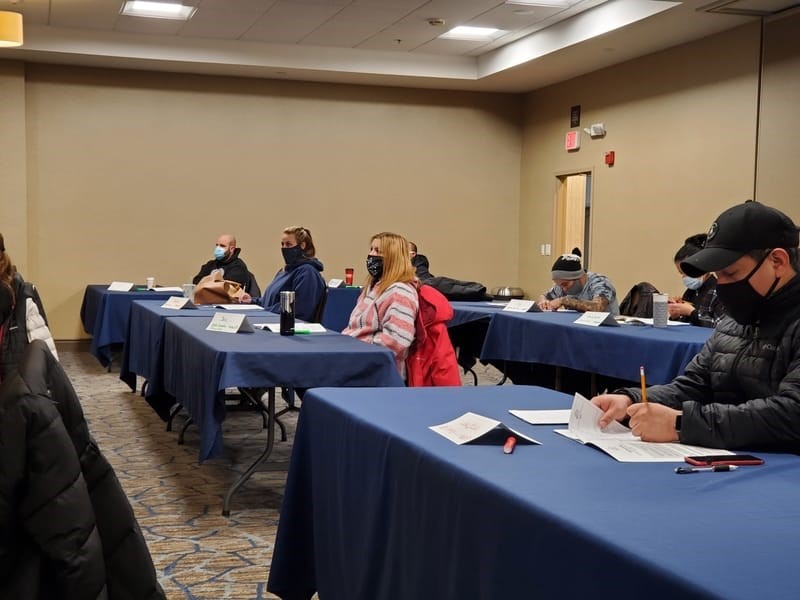
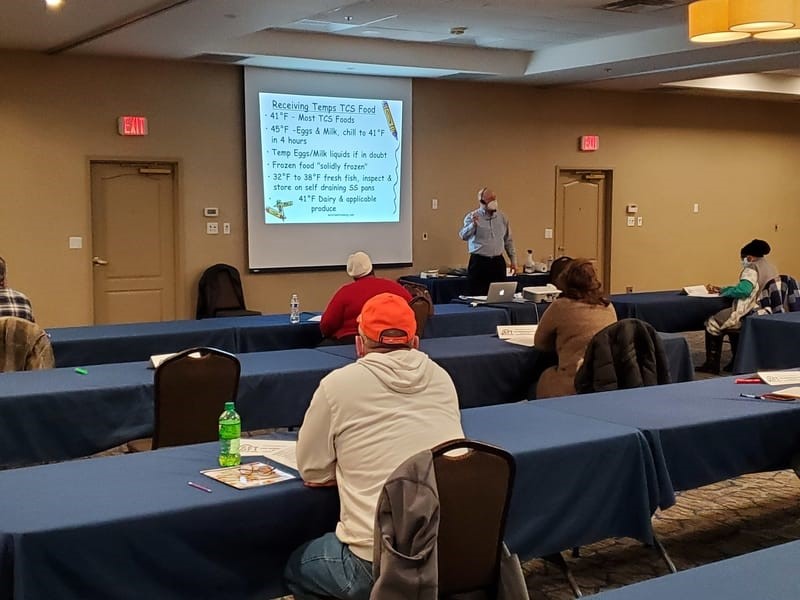
After a long hiatus from in-person Minnesota certified food protection manager training, we at Safe Food Training are excited to return to the classroom and once again offer our top-rated in-person classes. Where you can participate in discussions with an industry expert and your fellow food-industry professionals. Unfortunately, classes won’t look the same as they have in the past, so prospective students need to be aware of some changes and precautions that we’re currently taking.

MN Certified Food Protection Manager Training During COVID-19 Restrictions
Image credit: Street Level Solutions

In-Person MN CFPM Training Protocols

Thanks to the gradual turning of the dials in the StaySafeMN guidance, we can now welcome food safety managers back into the classroom, but with certain restrictions. Classroom training sessions must:

  • Reduce seating capacity
  • Enforce mask-wearing
  • Operate with social distancing protocols

Due to reduced seating and social distancing protocols, we cannot train as many certified food managers per session as we once were allowed. This means that students seeking in-person training need to be proactive when it comes to registering for a class. Delaying your registration may force you to push training to a later date or utilize online food protection manager training in order to meet certification deadlines.

New Changes To Scheduling MN Certified Food Protection Manager Training During COVID-19 Restrictions
Image credit: Street Level Solutions

Reduced class sizes and limited registration can quickly become an issue for larger food businesses or restaurants with multiple locations that need to train more than one certified food protection manager for better food safety coverage. Even if your food service business doesn’t require multiple CFPMs, you may have a stellar staff member with management potential that you’d like to develop. With so much competition for limited seats, a delay could result in a lack of training for these types of key individuals.

Many students also thrive in a classroom environment but struggle with online sessions. With the nearly yearlong absence of instructor lead classes, some of these students may be long overdue for training or a refresher course.

If you’re ready for a return to the classroom for Minnesota certified food protection manager training, make sure you schedule your training soon to guarantee you a seat that best fits your availability.

Helpful New FDA Tool for CFPMs to Track Outbreaks

Helpful New FDA Tool for CFPMs to Track Outbreaks

Estimated reading time: 2 minutes

Sometimes, major foodborne illness outbreaks, like those involving romaine lettuce over the past few years, grab national attention, but more often than not these outbreaks fly under the radar of the average certified food protection manager. Unwittingly serving ingredients that have been tainted is a real danger in the food industry, so is there any way that CFPMs can keep track of widespread foodborne illness risk?

Helpful New FDA Tool for CFPMs to Track Outbreaks
Image credit: Dmytro Sidelnikov via 123rf

FDA Tool for CFPMs to Track Outbreaks

Thanks to a recently developed FDA tool, certified food protection managers (CFPMs) can periodically check the latest news regarding widespread outbreaks. This tool makes it easy to find the information you need to know about tainted product that may have been widely distributed. From this chart, you can find:

  • Item contaminated
  • Investigation status
  • Links to advisories
  • Whether a recall has been initiated

Just one quick look will tell certified food protection managers if ingredients in their inventory have been subject of an outbreak investigation, and with a few clicks you can even see where the actual product came from and if it’s been recalled.

Besides FDA outbreak and investigation information, you can easily access CDC and FSIS outbreak incidence reports. Before the FDA developed this resource, you’d have to search all three agencies’ sites for all the intel concerning large outbreaks in the United States. Multi-agency information is now conveniently available at certified food protection managers’ fingertips.

Is having easy access to foodborne illness outbreak information something you find helpful in keeping the food you serve safe?

How To Guide For CFPMs Returning To In-Person Training Starting Jan 20

How To Guide For CFPMs Returning To In-Person Training

Over the course of the COVID-19 pandemic, restrictions to indoor gatherings have created great challenges for effective Minnesota certified food protection manager’s (CFPMs) training. Food protection management certification is essential to the advancement of food safety and the protection of those who visit restaurants, cafeterias and other food preparation businesses.

Over the past few months, future CFPMs and those seeking training before renewal have had to rely on online food safety management training with in-person sessions on hiatus. While online food safety training qualifies for certification, nothing quite beats a classroom setting with a food safety expert available to engage with students, answer questions and cover topics that are specifically relevant to students attending the class. There is hope on the horizon for in-person food safety training, so let’s take a look at how future students can prepare for the return of in-person CFPM classes.

How To Guide For CFPMs Returning To In-Person Training
Image credit: Iakov Filimonov via 123rf

Preparation Guide for Returning to In-Person CFPMs Training Classes

Safe Food Training is excited to announce, we have moved our return to in-person certified food protection manager training in the classroom to Jan 20. The in-person classes will follow the CDC guidelines for group meetings, we’ll require masks and seating will be spaced at least 6 feet apart. We’re enthusiastically preparing for a return to personally engaging with students and providing the training necessary to prevent foodborne illness.

If it’s been a while since you’ve attended a CFPM training class, there are a few things you can do to get the most of your experience:

  • Write down questions you may have
  • Review Minnesota Food Code Fact Sheets
  • Think of unique food safety scenarios specific to your food business
  • Peruse the training materials ahead of time

If you take the time to review these steps, you’ll come to class ready to engage with some knowledge of the subject matter. Being prepared to interact with trainers and fellow students will help ingrain food safety principles in your mind and leave you confident when it comes time to take your certified food manager exam. You’ll also leave with a better understanding of how to keep your food safe and promote a healthy environment for your guests.

Are you excited to return to in-person classroom training for certified food protection managers?