A Minnesota Certified Food Protection Manager’s Response to COVID-19

A Minnesota Certified Food Protection Manager's Response to flattening the curve of COVID-19

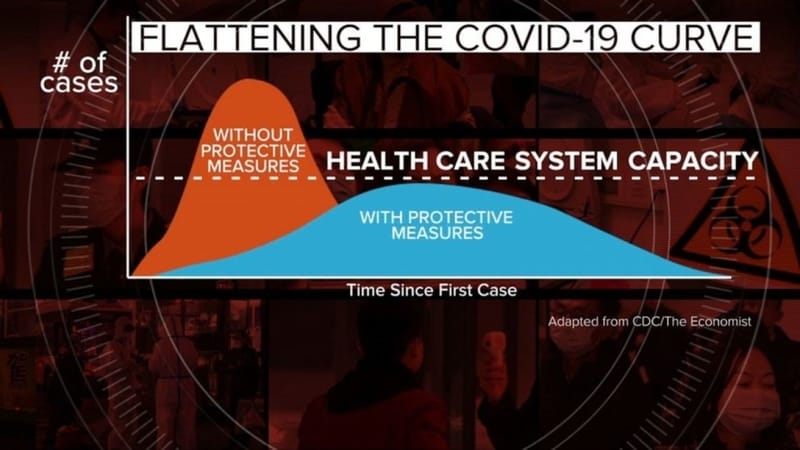
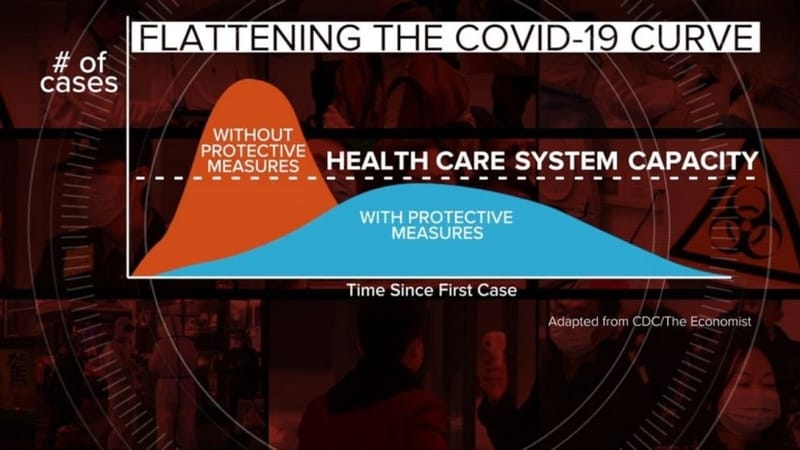
At Safe Food Training, we recognize that we’re now in unprecedented times. Government mandates call for reduced service, including a statewide appeal to restaurants to close dining rooms and offer takeout or delivery only. MN certified food protection managers must now respond to the COVID-19 threat and flattening the curve as well as keeping food safe for customers.
A Minnesota Certified Food Protection Manager's Response to COVID-19
Image credit:CDC/The Economist

Lessons for Minnesota Certified Food Protection Managers Taken from West Coast Response to COVID-19

Over the course of our years of food safety training, we’ve been fortunate to not only make contacts with foodservice professionals in our state but keep in touch with contacts elsewhere. With the current situation involving the coronavirus, we’ve been in touch with a friend and colleague who currently resides in the Seattle metro area. If you’ve been following the news, Washington State has the unfortunate distinction of having some of the first cases of the virus, as well as being one of the leaders in the United States in positive cases and fatalities. We’ve reached out to learn more about how the restaurant industry is responding in an effort to see what they can do in our state to help slow this epidemic.

As you are already aware, the Governor of Minnesota has already asked restaurants to limit access to restaurants and bars by closing dining rooms and providing takeout service, drive-thru or delivery on March 17th. Washington State issued a similar edict taking place on the same day. This should be good news for Minnesota restaurateurs. Not waiting until exposure levels of COVID-19 reach Washington State levels gives us the potential to return to business as usual sooner rather than later. At the time of our conversation with our connection in Washington, Minnesota has only one COVID-19 fatality among 137 positive cases. Washington has over 1,500 confirmed cases of COVID-19 with 83 deaths, with more cases expected daily. Our Seattle colleague is hearing that due to the delay in action, restaurants in some counties are preparing to close longer than their mandated 14 days.

So how should certified food protection managers process these COVID-19 statistics? Granted, we are not Washington State, but we’re talking about a virus that currently has no vaccine or FDA approved treatment. We should be very concerned with the health and wellbeing of our customers and their families. The sooner we see results and a decline in cases, the sooner we can get our restaurants open and profitable again.

It’d take quite some time to cover everything in our discussion with our friend in Seattle, but we hope to break some of that information down to share with you soon. Here are some of the things health inspectors and foodservice business owners in the Pacific Northwest are currently recommending to stem the tide of COVID-19 :

  • Increase handwashing frequency
  • Increase the frequency of sanitation, especially at pick up counters guests may visit
  • Take social distancing seriously
  • Provide curbside pickup unless impossible
  • Take credit card information via phone to limit contact
  • Close when necessary or reduce hours of operation to only cover dining hours; mainly breakfast, lunch and dinner
  • Reduce menu options to reduce waste

Safe Food Training will do whatever we can to update and provide as much information as we can to help certified food protection managers navigate these tough times caused by COVID-19. How are you dealing with the new restrictions on food service during this outbreak?


Will food safety ratings be the defining issue of the 2020 election?

In a recent interview on The Tonight Show with Jimmy Fallon , Presidential candidate Mike Bloomberg mentioned health and food safety (3:34) as one of the pressing issues our country needs to address. During the discussion, he referenced New York City’s requirement to post food safety ratings in the entryway so customers can see just how well their favorite local restaurants performed on their last health inspection. New York isn’t the only city to post-inspection grades, as several states and municipalities also require restaurants to post their grades. It makes us wonder, would this requirement improve food safety in our state?

Food Safety Rating near entrance

Public Food Safety Ratings

When assessing the effects of any new regulation, our goal is to assess whether or not it will be effective in keeping food safe. Will an easily viewable public disclosure of health inspection results keep the food served in local restaurants safe and improve the overall risk of foodborne illness?

This is one case where certified food protection managers can use food safety training to not only to prevent foodborne contamination but to bring in more revenue. If your restaurant receives a two out of five stars, a C- or sickly gray face, customers may choose to move on, but if your restaurant is getting an A+, it won’t only be a deciding factor in drawing in guests, it’s probably something they’re going to tell their friends about.

This may also put added pressure on certified food protection managers to ensure that there are no lapses in food safety training. A health inspection usually comes unannounced and unexpected. If your staff is continually following health department protocols to the letter, you should have nothing to worry about. Without publicly posted food safety ratings, there may be less pressure to provide thorough training on every aspect of food safety. One slip could reduce your grade, and even if you take steps to address issues following your health inspection, potential customers will see your low grades until your next review.

How would you feel about having your restaurant’s food safety ratings posted where all of your guests can see?

What Does 2021 Hold For Certified Food Protection Managers

What Does 2021 Hold For Certified Food Protection Managers

2020 is over, and we see hope on the horizon. The food industry will survive, rebound and thrive once again. Here’s some great news we see in 2021 for certified food protection managers and the food business community:

There’s no way of sugar-coating it. 2020 was a complete disaster. Analogies of dumpster fires, train wrecks, the Titanic and dumpster fires on train wrecks on the Titanic just don’t seem to cut it.

What Does 2021 Hold For Certified Food Protection Managers
Image credit: AllaSerebrina via depositphotos

While many industries took a severe hit, the food industry may have been hit the hardest by the COVID-19 pandemic and the restrictions put in place in order to try to stem the tide of the virus. We’d be lying if we said we didn’t know certified food protection managers who had been laid off, restaurants that have shuttered their doors temporarily or food sector businesses that have been forced to close for good. Many have persevered through government PPP loans, while some have just given up on the process.

4 Indicators Of Better Times for Certified Food Protection Managers in 2021

  • Vaccines should improve herd immunity
  • Dining rooms will reopen
  • In-person food safety training will return
  • Diners are anxious to return to their favorite local restaurants

With the gradual roll-out of the COVID-19 vaccine, we should see the eventual development of herd immunity. Once this state is reached, cases should begin to plummet.

The general public is anxious to return to normal, and there’s a huge urge for diners to go sit in the dining rooms of their favorite restaurants. Takeout is great, but nothing beats the experience of sitting down and enjoying local cuisine with friends and family. We predict restaurants will eventually open at full capacity and demand will be great. Dining rooms will fill up, shuttered restaurants will reopen and chefs will open exciting new eateries.

Low cases will also lead to the loosening of restrictions that have prevented CFPMs from completing their food safety management training. Classrooms will open for in-person sessions allowing students to interact with food safety trainers rather than rely on web-based classes. Testing sessions can hold more students allowing managers who have been waiting months for certification and recertification to take the exams in a timely manner.

While there is hope, the rollout of the vaccine and the defeat of coronavirus won’t happen overnight. Remain vigilant. Wear masks, follow social distancing guidelines and hang in there. Hope is around the corner for certified food protection managers in 2021!

Another Romaine Recall Affects Certified Food Protection Managers

Recall Effects Certified Food Protection Managers

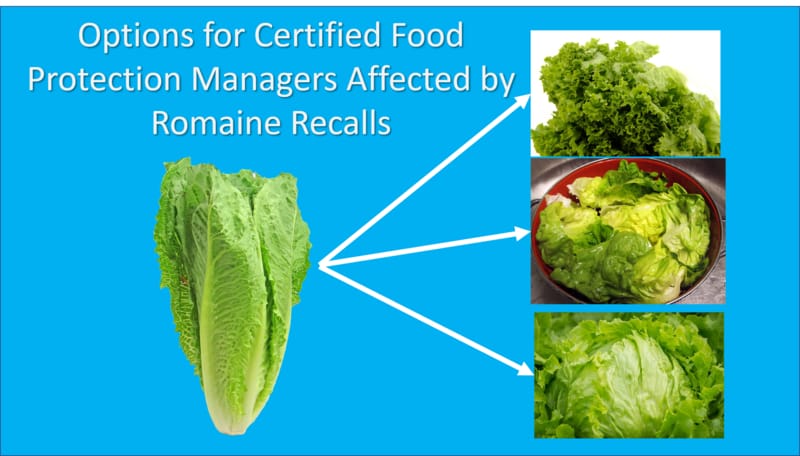
Here we go again. Near the end of November, the CDC reported 40 people in 16 states have fallen ill due to E.coli found in romaine lettuce grown in the Salinas growing region in California. Due to the vast amount of lettuce grown in this region, the FDA strongly urged consumers to dispose of all romaine in any form if there was any uncertainty as to where the lettuce was grown. This means that grocery stores, foodservice suppliers and restaurants were unable to use whole heads of romaine, hearts of romaine, chopped romaine or salad mixes that contain romaine. This left a multitude of affected certified food protection managers scrambling to find alternatives, especially considering the recall occurred just before a very busy Thanksgiving week.

Recall Effects Certified Food Protection Managers
Image credit: BlackRiv, Bruno Glätsch, Pezibear from Pixabay and Anita Hart from Flickr

Romaine Alternatives for Affected Certified Food Protection Managers During Recall

Romaine is a staple in the food industry. Due to its crisp texture and traditional use in Caesar salads, it’s always heavily in demand, but what can CFPMs do when it’s suddenly unavailable?

First thing certified food protection managers must do is inform guests that romaine lettuce is unavailable. This can be as easy as including a notice in your menus or in a visible location before guests are seated or served. Many guests may not follow the news and may have a negative reaction to being served a different type of product than what is listed on your menu.

Secondly, you may want to find as close of an alternative as possible. With the latest recall happening just before Thanksgiving, we’ve heard stories from foodservice professionals that even other forms of lettuce had become scarce due to demand for a romaine replacement and an abundance of caution concerning all produce from the Salinas growing region. While nothing really has the crunch and flavor of romaine, there are a few potential alternatives:

  • Iceberg Lettuce
  • Butter Lettuce
  • Green Leaf Lettuce
  • Leafy Greens

Of the above alternatives, none will have the crunch factor of a crisp romaine heart, but iceberg, butter and green leaf varieties of lettuce will still have similar flavors and could provide an adequate substitute until romaine once again available. We’ve heard of some certified food managers thinking outside the box and replacing some menu items with different salads containing leafy greens such as kale, bok choy and spinach.

We’re interested in how certified food protection managers have been affected by recent romaine recalls. What alternatives did you use during the latest romaine recall?