New MN Food Code Guide to Serving Highly-Susceptible Groups

New MN Food Code Guide to Serving Highly-Susceptible Groups

Certified food protection managers equip themselves with the knowledge and tools to safely prepare food for their guests, but certain groups require additional precautions. The Department of Health has taken notice and added a section in the new MN food code guide to serving highly-susceptible groups, outlining the precautions that must be taken when serving these groups.

New MN Food Code Guide to Serving Highly-Susceptible Groups
Image credit: U.S. Department of Agriculture via Wikimedia Commons

MN Food Code Guide to Serving Highly-Susceptible Groups

The language in the new code defines highly-susceptible groups as “…immunocompromised, pre-school aged children, or older adults.” If you’re a certified food manager at a hospital or other medical facility, care center for aging adults, pre-school or any facility that serves these groups, you should be aware of extra precautions you must take to prevent bacteria from reaching the people in your care.

The food code outlines a few precautions:

  • Undercooked eggs animal proteins may not be served or offered for sale
  • Raw eggs broken for preparation must be used immediately
  • Bare-hand contact with ready-to-eat foods is prohibited
  • Unpasteurized juices may not be served to children under the age of nine
  • Food and food packages served to medical patients in isolation cannot be re-served or reused

If you prepare meals for any of these populations, make sure to cook all products to the proper temperatures, and always check the internal temperature of animal proteins using the proper thermometer. It is also important to be aware of any food in the danger zone. Prevent raw meat and eggs from sitting at room temperature for any length of time, and always make sure your meals are served as soon as possible after preparation. This will prevent bacteria growth that could result in severe foodborne illness for compromised individuals.

Finally, if you serve contagious or isolated medical patients, never re-use food that may have been exposed. Use an abundance of caution with all utensils and food packages that have been used in serving patients. You may wish to look into disposable utensils and serving ware for these individuals.

Bacteria that may have little or no effect on the general populace has the potential to be fatal among sensitive groups. As a certified food manager, what precautions do you take to keep the food you serve safe for these groups?
Update MN Food Code Effective Date for ServSafe Food Managers

new MN food code effectice date

Over the past few months, we’ve previewed some of the coming changes to the MN Food Code, but up until recently, we have yet to have a firm date for when these changes will take effect. According to a September release of the Minnesota State Register, an official publication of the state of Minnesota’s Executive Branch, we finally have a date when the new food code amendments will be enacted.


new MN food code effectice date
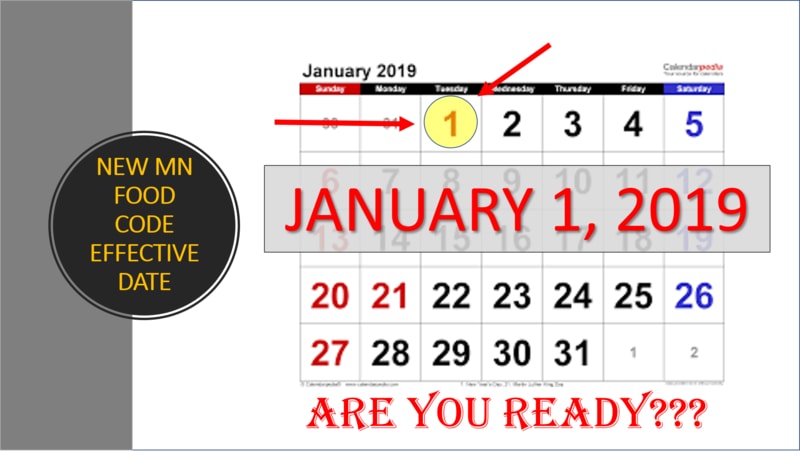
MN Food Code Changes Effective Date January 1, 2019 Image credit: Calendarpedia.com

Effective January 1, 2019, the proposed amendments to the MN Food Code replace the code we have been using for many years. According to the introduction of the proposal, the reason for the changes in our 20-year old food code was to “continue a shift toward food sanitation and safety measures critical to preventing foodborne disease.”

There are several other justifications for updating the food code, including shifting away from the specific kinds of materials and equipment can used during production and re-emphasizing hygiene, sanitation and proper temperature control. In short, some of the changes to the code give ServSafe food managers more freedom in the equipment they use while at the same time giving them more responsibility for training, monitoring and correcting sanitation and food preparation methods.

What do these changes mean for Minnesota ServSafe food managers? First, many of the changes in the food code involve the language of the code itself. A few sections, such as the responsibilities of the food manager, have been reworded in a manner that eliminates some confusion. Some of these changes, such as equipment regulations, give you more freedom to run your business without being over restricted.

At Safe Food Training, we’ve been discussing some of the top changes to the code, and will continue to delve deeper in the coming months. Are there any issues you’d like us to look into?

Food Safety Training and Non-Continuous Cooking

Non-Continuous Cooking

In our research into upcoming MN food code changes, we’ve noted a new addition; non-continuous cooking. This means that as long as certain parameters are met, you can halt the cooking process for certain items and finish at a later time. Many risks exist when cooking is halted, so this week we’d like to discuss how to safely prepare food using this method.

Non-Continuous Cooking
Non-continuous Cooking Image Credit: Army.mil

A Non-Continuous Cooking Food Safety Training Guide

We must first point out that in order to prepare raw animal foods using a non-continuous cooking method, you must have a well-documented written procedure and obtain approval from your local health department. You should provide safe food training to your staff on this process and develop written instructions that include the following information:

  • Initial Cooking Time
  • Cooling Method
  • Storing Procedure
  • Reheating Method

If you do not plan on cooking raw animal product all the way to the appropriate temperature, you can only halt the process if the initial cooking time is under 60 minutes. After 60 minutes, you must continue the cooking process until an acceptable internal temperature has been reached.

Once you halt the cooking process, you must bring the internal temperature down to 41-degrees as soon as possible. This will prevent undercooked meat product from resting at temperatures known to speed up the growth of potentially dangerous bacteria. Once cooled, the par-cooked product must remain under proper refrigeration.

Finally, when it comes time to finish the cooking process, remember that your product must be fully cooked to the proper temperature.

It’s important to stress and repeat that if you plan on using this method for any raw animal product, you must have well-documented plan and regulatory approval.

Once this new MN food code rule goes into effect, we’ll monitor enforcement and provide more food safe training on this topic in the future. How do you feel about the allowance for non-continuous cooking?

Online Food Training for Special Food Preparation Processes

Food-Preparation-Processes

Sometimes there are food preparation processes that are not covered by online food training or specifically detailed under Minnesota food code regulations. So what should a food safety manager do if they cannot find a specific guideline for their unique food preparation technique?

Food-Preparation-Processes
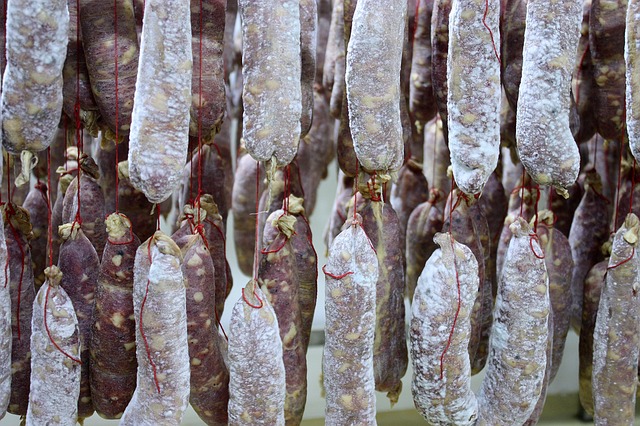
Curing sausage Image Credit: MaxPixel

Unique Food Preparation Processes

If you have a food preparation process that you’re unsure about or cannot find any rule that addresses your situation, you may be required to obtain a variance from your local health inspector. There are too many cooking and storing processes to name in one article, but some situations that may require a variance include:

  • Smoking or Curing
  • Sprouting Seeds or Beans
  • Preserving
  • Custom Animal Processing
  • Reduced Oxygen Packaging

These five items are just examples of food preparation techniques that may require a variance from the health department. If your methods are not covered under the health code, or if you’re unsure, we advise you to contact your local health department.

Using the health department as a resource in situations of uncertainty helps keep the food you serve safe. Online food training and thumbing through the food code is a great start, but it’s best not to proceed until you ensure that your process produces safe to eat foods.

Obtaining a variance from the department of health is not as complicated as you may think. A local health inspector will need to come to your facility and observe your food preparation method. This is a great opportunity to discuss your cooking methods and potentially learn safer ways to prepare your food under these special circumstances. During the health inspector’s observation, they will let you know whether or not they approve of your methods. If they decide not to grant your procedure a variance, ask questions and seek advice from these professionals on how to prepare these items safely.

Do you have a cooking procedure/food preparation processes that does not seem to fall under standard health code rules?