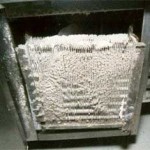
Food Safety Certification Tested Refrigeration Maintenance Best Practices

Food safety certification refrigerator maintenance

For a manager with Food Safety Certification who deals with food products, properly running refrigeration units is key to maintaining food safety and quality. We thought it important to share a few food safety certification tips to help keep your refrigeration well-maintained and avoid repairs due to malfunctioning equipment.

Food Safety Certification refrigerator maintenance
Image credit: HVACR Videos on Youtube

4 Keys To Refrigeration Maintenance For Food Safety Certified Managers

There are four things that we feel are important to examine regularly in each refrigeration unit.

  • Door seals
  • Cleanliness of drains and coils
  • Temperature
  • Excess condensation

It is important to occasionally inspect the gaskets on your refrigerator door to ensure a tight seal. It is imperative to ensure that your refrigerator seals properly when shut; failure to do so will lead to increased energy consumption as it has to work harder to maintain low temperatures. This can lead to an overworked unit and shorten its lifespan.

The cleanliness of your refrigeration units can be a factor in its performance. You should examine condensation drain pipes and outlets to ensure they are clear of debris and grime. For units with external coils, it is important to inspect and clean them regularly. Most units have coils underneath or on the back of the unit. These are two areas where dust can build up and cause your units to work harder than necessary.

One of the first signs you may have a problem with your refrigeration unit is when you notice temperature fluctuations. Another important thing to take note of is if you have had to turn down your temperature control multiple times in order to maintain proper temperature, this may be a sign that your refrigerator compressor is overtaxed.

If you notice excess condensation or dripping water coming from your refrigeration unit, it may be time to examine it. These issues can lead to larger, harder-to-repair problems.

Certified Maintenance Service

The first two issues are easily recognizable and can often be handled in-house without calling a repair service. The second two, however, may require a certified maintenance service to repair properly. It is important to keep in mind that repairing a minor problem is easier, and less costly, than a major repair or replacing an entire unit.

In the case of refrigeration malfunction, it is important to keep Food Safety Certification MN guidelines in mind if you must find an alternative storage solution.

Norovirus Is The Largest Cause Of Food-borne Outbreaks 

Stop food-borne outbreaks

Norovirus is responsible for about 60% of the food-borne outbreaks in the US and Minnesota yearly. Symptoms include severe stomach pain, nausea, diarrhea, and vomiting, and the onset time can be as short as a few hours. Certified food protection managers must take Norovirus seriously and understand how it spreads among people. Then, thoroughly train employees on how to protect against the spreading of Norovirus.

The Largest Cause Of Food-borne Outbreaks Can Be Caused by Nail Biting
Image credit: liudmilachernetska via 123rf

Preventing A Norovirus Food-borne Outbreak

The Norovirus germs of an infected person transmit norovirus through contaminated food and water and by touching contaminated surfaces. Foodborne outbreaks can occur quickly. These outbreaks happen when workers at restaurants, daycare centers, and other food-serving establishments are too casual about washing their hands. Conscientious employees often touch their eyes, noses, or mouths. They may do so without even realizing it. This can happen when they bite their nails or taste food. These actions can lead to illness.

Norovirus has no immunity; people can get sick many times over. Due to the extreme nature of the symptoms, it is very dangerous for young children and older adults, even causing death. Health experts have discovered that Norovirus is the most common of all food-borne diseases in the US.

Certified food protection manager training covers preventative measures to protect many thousands of people from this virus, keeping employees and customers healthier and safer.

Proper hand washing and overall cleanliness are the best ways to prevent a Norovirus food-borne outbreak. Many food service employees are young and inexperienced. This can result in a lack of urgency concerning health risks. Properly training and coaching employees on the importance of following correct hand washing and cleaning techniques is critical to prevent the spread of Norovirus and other foodborne illnesses.

Operating a safe and clean establishment that protects employees and customers from preventable foodborne illnesses is something to take pride in.

How often do you deliberately remind staff of proper handwashing protocol during meetings?

Instructive Food Safety Certification Tips That Will Keep Kids Safe

Food-Safety-Certification-Tips-That-Will-Keep-Kids-Safe.

If you are a Minnesota food safety certified professional at a daycare center, after-school facility, or restaurant that caters to younger diners, you know that kids have different tastes than adults and often have special dietary needs that must be accounted for. We’ll provide a food safety certification guide on creating a safe and healthy delivery environment for kids.

Food Safety Certification Tips That Will Keep Kids Safe

Food Safety Certification Guide For Serving Children

The first thing to remember when serving children is that they are more sensitive to food-borne pathogens and can have more severe allergic reactions than adults. If your operation serves children regularly or on a large scale, we strongly suggest that you:

  • Pay close attention to heating, storing, and holding temperatures
  • Remove potential allergy risks from your facility
  • Provide gluten-free and low-sugar options
  • Offer a variety of healthy options

In previous posts, we have discussed our first tip in great detail, but it is essential to be diligent when serving at-risk groups such as children. If you are unsure what the proper heating and holding temperatures are, you may wish to review Minnesota Food Code temperature guidelines.

Secondly, removing all allergen risks from your facility may be a good idea if you operate a daycare center or other business that exclusively caters to children. Remember that peanuts, tree nuts, and seafood are high-risk allergen items; keeping them out of your kitchen will eliminate the risk of accidentally exposing a child to them.

It is becoming more common nowadays to come across children who have been diagnosed as gluten intolerant or sensitive to sugar. You can ease many parents’ fears if you supply their children with a gluten-free and low-sugar substitute for their meals.

If you serve the same group of children daily, offering a wider variety of meals is a good idea. Even though some children are OK with the same lunch several times a week, you’ll provide better nutritional options if you vary the meals. While most children would love to eat hotdogs daily, you’ll appeal to parents if you offer a wide variety of healthy meals.

Serving Kids at Restaurants

Remember that parents are looking at what their kids order. There are benefits to restaurants with a special menu tailored to young diners. While frozen pizza and microwavable macaroni and cheese may be cost-effective, parents know the difference. You may wish to consider making your macaroni and other kid’s menu items in-house to show parents that their kids’ meals are just as important as theirs.

Food safety certification trained managers at many outlets choose to get incredibly creative when serving kids. What is one of the best items you have ever seen on a kid’s menu?

Top 10 Certified Food Manager New Year’s Resolutions

New Years Resolutions for Certified Food Managers

Let’s shift our focus to the new year after cleaning the champagne glasses, wrapping up the college bowl games of New Year’s, and sweeping up the streamers. Hopefully, every certified food manager will resolve to be diligent regarding safety this year, but we have ten specific resolutions that are high on our priority list.

Image credit: ferli via 123rf

Specific Resolutions for Certified Food Managers

1: Use your food thermometer in all situations. To ensure that all foods remain safe for consumption, it is important to keep them out of the danger zone regardless of whether they are hot-held, chilled, or ready-to-serve.

2: Wash all fruits and vegetables thoroughly before serving. Potential food-borne illness hazards can still affect raw and room temperature-served foods.

3: Cool hot foods safely and as quickly as possible. Cooling soups, roasts, and other hot foods properly is essential. They need to get below dangerous temperatures as fast as possible.

4: Wash your hands. It is crucial to emphasize that after handling raw food, changing gloves, eating, smoking, or using the bathroom, you must wash your hands for 20 seconds with plenty of soap and hot water.

5. Don’t work while sick. If you are sick, it’s possible to spread your illness to your customers. If you’re exhibiting disease symptoms, take time off, rest, and get better.

6: Make sure your refrigeration is working correctly. Buy and install a thermometer for each unit in your facility. Sometimes, the difference between 39 and 42 degrees is impossible to determine using human senses, but bacteria will undoubtedly know the difference.

7: Rotate your inventory correctly. Don’t let old or expired foods make their way into your preparation areas. Ensure all your stock is labeled and rotated to ensure that potentially spoiled product is never served to your customers.

But Wait There’s More!

8: Make sure cloths are clean and free of contaminants. It’s no use cleaning your workspace with a soiled cleaning cloth. This can have adverse effects and even create hazards. Keep cleaning utensils clean!

9: Be diligent! Don’t ignore potential hazards with the excuse that you’ll “deal with it later.” Take care of them right away.

10: Promote food safety. Be an educator. Train each staff member on the proper routine to ensure safe food handling for their station. A well-taught employee will be a diligent one.

We hope every certified food manager who has completed food safety certification in MN will take these ten resolutions to heart, and strive to make 2024 safe from food-borne illness.