Certified Food Managers Guide to Foodborne Illness Statistics

Certified Food Managers Foodborne Illness Statistics

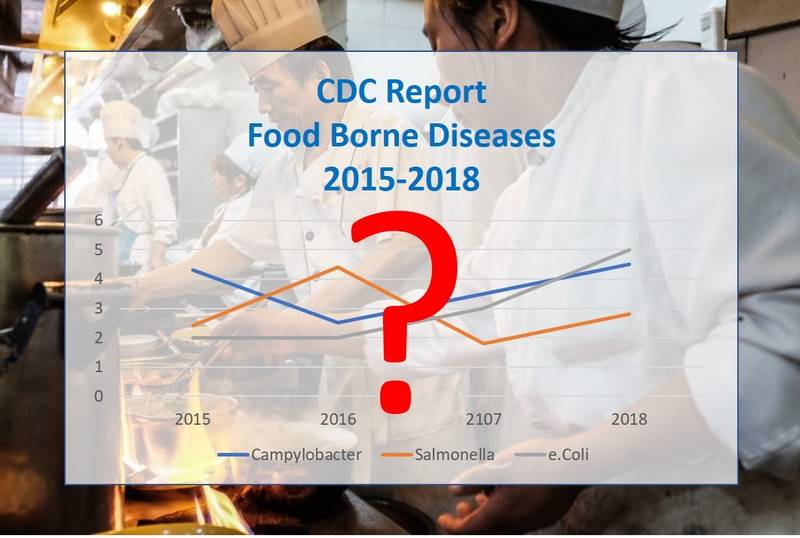
Gathering information on foodborne illness outbreaks gives us a greater insight into how these events start and what measures can be taken to prevent them in the future. The Center for Disease Control recently released a report outlining foodborne illness statistics and discussing testing and observation steps taken during outbreaks in 2018.
Certified Food Managers Foodborne Illness Statistics

CDC Report on Common Pathogens Causing Foodborne Illness

If you’ve taken a quick glance at this report, you may notice some very scientific language and a lot of statistics, so we’ll briefly break down some of the interesting facts in the report in simpler terms.

The bulk of this report discusses enteric infections, or food poisoning cases that affect the intestines. The two largest culprits discussed are campylobacter and salmonella infections. The CDC has confirmed nearly 10,000 infections of each in 2018. Following these two, e.Coli clocks in with nearly 3,000 cases, many of these coming from multiple outbreaks involving tainted romaine lettuce. This registers a 26-percent increase when compared to cases in 2015 to 2017.

Reading some of the discussions in this report indicate that the confirmed numbers are up partly due to improved testing methods. The CDC has increased the use culture-independent diagnostic tests, or CDITs, to diagnose suspected cases of enteric infections. This test is capable of identifying certain pathogens not routinely picked up by previously used testing methods.

While this report does have food-safety implications on a grand scale, what exactly does it mean to certified food managers?

We’ve drawn two conclusions from this report. First, improvements in testing technology show that illness from contaminated food is a larger issue than previous statistics have shown. This means that we should be more diligent then ever in promoting food safety in our establishments.

Finally, these advanced testing techniques have given us the most common pathogens and the food items that most commonly spread the infection. Seeing that there are targets the CDC has identified for improved food safety techniques gives us an insight into what types of ingredients require extra care. Certified food managers can be equipped with the knowledge that certain products are historically more susceptible than others and be diligent in inspecting shipments and following up on recalls and alerts concerning contaminated product.

Do statistics released by the CDC, USDA and other organizations have any effect on you handle food safety for susceptible products?

Safe Food Training for Seafood-Salmonella

Seafood-Salmonella

Recently a Seafood- Salmonella outbreak has prompted the recall of frozen, raw, canned tuna. At last count, the outbreak has sickened at least 13 people, including one in the state of Minnesota. Raw canned seafood is popular in restaurants that feature raw dishes such as sushi, sashimi and ceviche. Salmonella is usually associated with undercooked eggs, chicken and produce from farms that use chicken manure as fertilizer, but this case shows that the danger of food poisoning from unlikely sources is a real risk and requires some extra food safety training for Seafood-Salmonella.

Image credit: Petr Kratochvil via PublicDomainPictures.net

Seafood-Salmonella from Contaminated Ingredients

The only sure-fire way to eliminate salmonella is through heating proteins to proper cooking temperatures, so what can food safety managers do about salmonella that shows up in raw or undercooked foods?

First, follow news stories such as this and pay attention to the FDA’s recall list. For your convenience, we also have a handy widget posted on the right side of our blog page that you can check out while you read this article. Keeping up to date on these types of news stories and recalls is vital if you serve sensitive products such as sushi, sashimi or other raw and undercooked products.

Once you’ve been alerted to these Seafood-Salmonella stories, check your inventory immediately to determine if your stock contains potentially contaminated product. In the case of canned seafood, these recalls usually include batch numbers which are printed on every can. If you have the same brand of canned seafood or a different product from the same manufacturer, but the batch numbers do not match, don’t just assume your product is safe to serve. Do a little more research into the recall or call your local health inspector to verify the extent of contaminated items.

Since many of these factors are out of the control of food service protection managers and cannot be countered by even the most rigid food safety training, be proactive if one of your guests is sickened by these types of products. Record batch numbers and work with your health inspector to determine whether or not your guest was sickened by tainted product or some other factor. If you do have such an incident, do not attempt to serve the same product to any other guests. It’s never safe to assume a food-poisoning case is an isolated incident.

Do you serve raw seafood in your restaurant? If so, do you prefer fresh fish or canned and frozen product?

CFPMs and Self-Service Touchscreens

CFPMs_Touch_screens

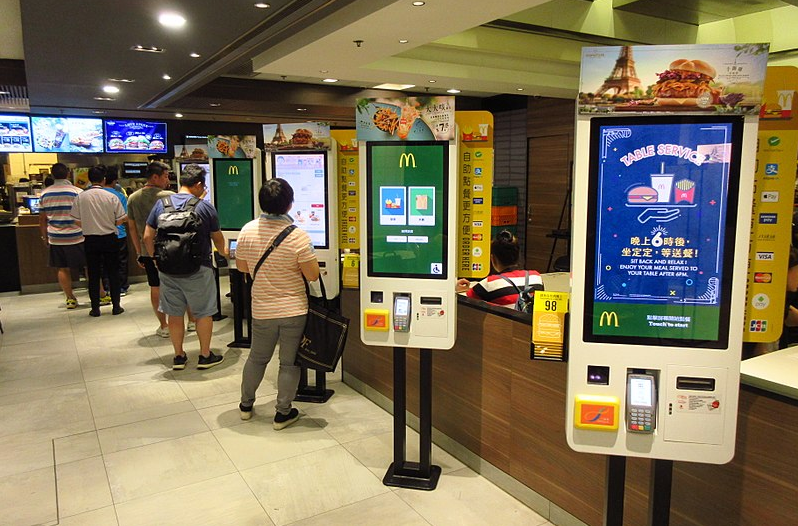
Advances in technology in the restaurant industry offers numerous opportunities for business owners to run their establishment in a more efficient and cost effective manner. Self-service touchscreen kiosks are one of the newest trends for major restaurants, especially fast food chains. A study in the UK, however, shows this new technology is creating major headaches for CFPMs and self-service touchscreens are proving to be a huge contamination risk .

CFPMs and Self-Service Touch Screens
Image credit: Wikimedia- TaiCIWJHai King Tung

CFPMs and Self-Service Touchscreens Contamination Problems

Researchers in Britain tested numerous McDonalds’ self-ordering touchscreens and discovered traces of fecal matter on every single one.

Let’s think about that closely for one second. They didn’t find fecal matter on a few, half or even 90 percent. They found traces of human feces on every single one. The list of specific bacteria found is fairly extensive, but it included the potential for hospital-grade illness from pathogens like Staphylococcus, listeria and Bacillus as well as standard food-borne illness outbreak culprits.

If that isn’t bad enough, the study also looked into the immediate hygiene habits of patrons using the machine. Customers would walk in, get in line and order. There was no sanitizing or washing of hands from the point of entry to the time of order. Many would order, take their seat, wait for their food and begin eating without washing their hands at all. This recipe for disaster should make food safety managers cringe.

With these screens infiltrating the dining rooms and lobbies in many different types of food service establishments, what can we do to keep our customers safe from potential infection?

The key is sanitation. The touch screen must be sanitized at regular intervals. If they’re the table top variety, sanitizing after each guest will remove all traces of bacteria that may have found their way to the surface from previous guests. But, lobby self-ordering systems are much harder to keep an eye on.

In this case, it’s unlikely you can enforce proper hygiene on all of your guests, but you can give them a nudge in the right direction. Attach a sanitizer dispenser to your touchscreen kiosk or have one readily available. We’d recommend having a sanitizer dispenser where the line begins and one at the machine itself. This will promote sanitation before and after ordering. Also, signage directing guests to the nearest washroom will also put the thought into their heads that maybe they should wash their hands before and after ordering.

Do you have touch screens available for your guest to use for ordering convenience?

The Food Safety Problem with Romaine Lettuce

Food Safety Problem with Romaine

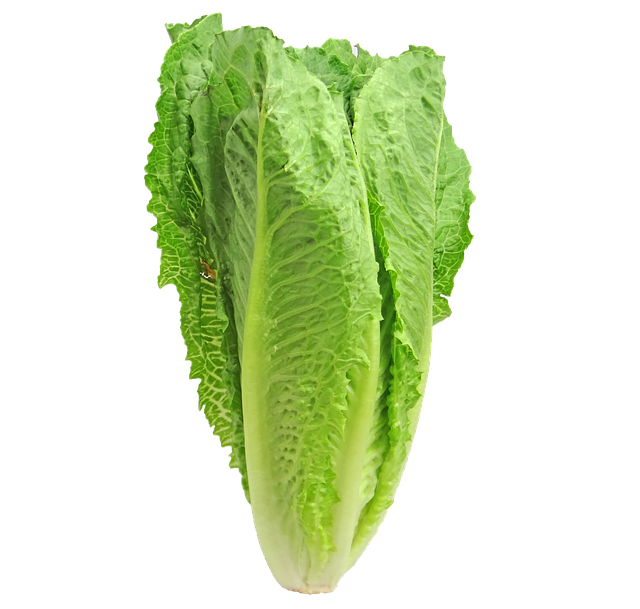
November has come and gone, and with it another major food safety problem with Romaine lettuce causing an illness hazard and sickening your guests. This week, we’d like to look at some of the potential causes of these outbreaks, and how good food safety training helps prevent sickening your guests with contaminated lettuce.

Food Safety Problem with Romaine
Image Credit: BlackRiv via Pixabay

Hints On How To Prevent A Food Safety Problem with Romaine Lettuce

Like most vegetables, romaine lettuce grows in the dirt, and as we all know, dirt is dirty. Soil contains all sorts of bacteria and contaminates, it is home is insects and snails, and it can be further contaminated by fertilizers and other outside sources. Even the water that farmers use to water their crops can be contaminated with bacteria that can be harmful to people who consume the final product.

Some farms that grow our produce also house livestock. It’s not out of the realm of possibility that manure can spread from one section of the farm to another on a worker’s boots or the tread of a tractor tire. As you can imagine, there are infinite possibilities as to how romaine lettuce becomes a health hazard, but what can we do about it?

Unfortunately, keeping the food from becoming contaminated on the farm is outside of the scope of what we do as a food safety training provider, however, we can help you take steps to keep lettuce in your restaurant clean and free from contaminates. Here are a few steps you should take:

  • Inspect lettuce upon delivery
  • Wash lettuce thoroughly
  • Be alert for recalls
  • Dispose of potentially contaminated romaine lettuce

A close inspection of your lettuce will reveal how much soil has been shipped with your product or if bugs and snails have tagged along for the ride. If you feel that your lettuce isn’t up to food safety standards, don’t be afraid to reject the shipment.

It’s not just a food safety problem with Romaine, all fresh produce should be washed thoroughly before serving, but lettuces such as romaine need extra attention. There’s a reason that you hear about more food poising cases from lettuce than potatoes. Potatoes and many other fruits and vegetables have one continuous outside surface, so a quick wash gets rid of more bacteria than a quick wash of a head of lettuce. We suggest washing your lettuce after taking the leaves off of the head in order to rinse areas that won’t be cleaned if the head is washed whole.

Finally, be aware of recalls and dispose of compromised lettuce. Taking a hit on food cost is a much better option that sickening your guests.

Did your business suffer from that latest recall of romaine lettuce?