
Certified Food Protection Managers and Foodborne Illness Incubation

Foodborne Illness Incubation
Image credit: dolgachov via 123rf & needpix.com

Certified food protection manager training teaches food management professionals the causes and prevention of foodborne illness, but sometimes the tracing of foodborne illness sources doesn’t get as much attention as it deserves. Foodborne illness incubation refers to the time that lapses between when contaminates are ingested and an infected consumer begins showing symptoms. We find foodborne illness incubation useful when trying to identify the type of illness and the product that caused outbreaks.

Using Foodborne Illness Incubation As A Forensic Tool

When people get sick from eating contaminated food, they’ll either call the local health department or the eating establishment they feel sickened them. When they do, there are three important questions that need to be asked:

  • What did you eat?
  • When did you begin feeling symptoms
  • How long did your symptoms last?

The what is important, but you’ll need more information besides what the guest thought sickened them. They could experience salmonella symptoms and assume chicken or eggs, but in reality, a shipment of tomatoes that had been recalled after they were served could have been the culprit. It’s vital to get as much information as possible, not just ask what they assume caused their illness.

Incubation times can also be an indicator. Here are some common times for frequent illness offenders:

  • E.coli: 1 – 10 days; most commonly 3 – 4
  • Salmonella: 3 – 60 days; most frequently 7 – 10
  • Norovirus: 12 – 24 hours
  • Marine toxins: 1 minute – 48 hours

As you can see, many common culprits have very different incubation times, so if you work with the health department you should be able to determine if the illness actually came from your establishment, or if the guest consumed tainted product at home or elsewhere. This is just a partial list, but the CDC has compiled an extensive table exploring incubation times for many foodborne illnesses.

You should remember that as a certified food manager, you may not be able to diagnose the source of foodborne illness from your restaurant or elsewhere. If you have guests call, especially if it’s several with similar symptoms, we strongly urge you to contact your local health department for help with the situation. They’re there to help protect the public from illness and help foodservice operators keep their food safe.
ServSafe Guide to Cyclospora Illness

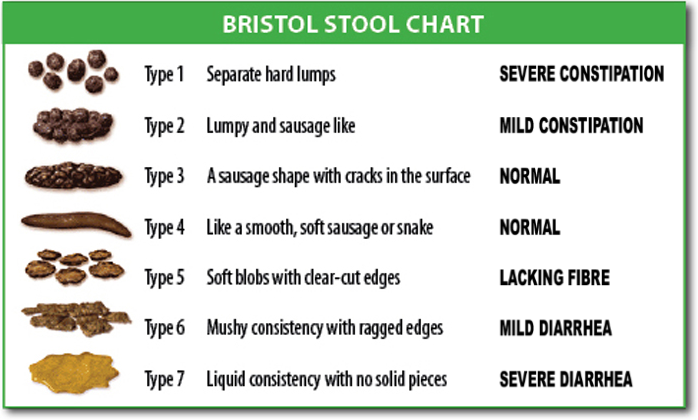
ServSafe Guide to Cyclospora - stool chart

According to a recent CDC survey, 1,600 people nationwide have been sickened by a parasite known as cyclospora since May 1st. Cyclospora isn’t commonly discussed throughout the food industry, and most outbreaks are often traced back to food and water consumed internationally. Due to the high number of recent domestic cases, some in our state, some in MN, we created a Servsafe guide to cyclospora illness in Minnesota.

Our Servsafe guideline to identifying Cyclospora are common symptoms such as:

  • Watery diarrhea (most common)
  • Nausea
  • Loss of appetite
  • Fatigue
  • Cramping
  • Bloating
  • Increased gas
ServSafe Guide to Cyclospora - stool chart
Image credit: Wikipedia

ServSafe and the Prevention of Cyclospora Illness

Cycloporiasis is an intestinal illness caused by a parasite. This parasite is spread through contaminated food and water and has an incubation period of approximately two weeks, making it difficult to trace.

This parasite is spread through food contaminated with fecal matter. There can be a few ways that food can become contaminated:

  • Food prepared by unwashed hands
  • Food that has come in contact with sewage backup
  • Raw ingredients grown on farms with infected water supplies

ServSafe guidelines to prevent Cyclospora recommend CFPMsmust closely monitor and enforce handwashing policies in their facility. If one of your staff unknowingly carries the cyclospora parasite and fails to properly wash their hands after using the restroom, they could spread ill effects to your guests.

It should be common sense, but ServSafe managers need to be very careful whenever there are plumbing or sewage issues in their place of business. Even a small amount of contaminated water can infect food, leave parasites on boxes, equipment and food preparation surfaces. Always take care to dispose of the exposed product, sanitize work areas and ensure a clean working environment after any of these issues.

There are times where the spread of parasites may be out of your control. Make sure that you follow Servsafe protocol to inspect and wash all raw produce before using. If you or your staff handles unwashed produce, remember to wash your hands afterward. Dirty produce can transfer parasites and bacteria to your hands and potentially infect your guests if you neglect proper handwashing.

Are there any other foodborne illnesses you feel food safety community neglects?

ServSafe and Salmonella on Papayas

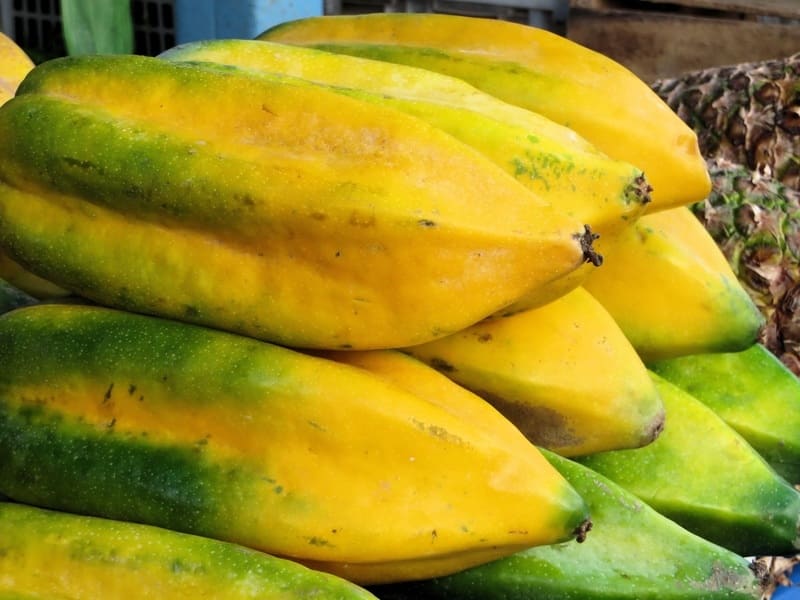
ServSafe and Salmonella on Papayas

At Safe Food Training, we keep a close eye on food-borne illness outbreaks in the news and are finding more and more salmonella cases as a result of tainted produce. The most recent salmonella outbreak to hit the United States has come as a result of contaminated papayas imported from Mexico. While Salmonella is most commonly associated with undercooked eggs and poultry, ServSafe food managers should take extra care when handling produce like Papayas to avoid spreading illness such as Salmonella from unlikely sources.

ServSafe and Salmonella on Papayas
Image credit: PXhere

ServSafe Food Managers and Salmonella in Produce

According to the FDA’s statistics from this most recent Salmonella outbreak, tainted papaya sickened at least 62 consumers with 23 of those requiring hospitalization across eight different states. This recall did not result in a mandatory recall, but FDA recommendations included in this alert advise throwing away any papaya from tainted batches.

It does not appear, however, that Minnesota has been included in the list of states that have reported illnesses, but cases like this can serve as a lesson that just because an ingredient isn’t often associated with a specific food-borne illness there’s no guarantee that it avoided any type of contamination during packing or shipping.

So far in 2019, the FDA has identified five major salmonella outbreaks in the United States. One from ground turkey, a familiar source of salmonella, one from frozen tuna and three from non-animal product. Along with papayas, we’ve also seen outbreaks in cut melons and tahini sicken customers who consumed these items. So how can ServSafe food managers in Minnesota keep their guests safe when foodborne illness, like salmonella, can come from papayas or just about anywhere?

First, wash all produce before processing. Even if the fruit has a rind or peel that will not be served to guests, contaminated peels can transfer bacteria to cutting boards, countertops and knives. An uncontaminated knife can pick up bacteria on the skin of fruits and vegetables and then transfer it to the edible portion as it slides through the flesh of the product.

Finally, pay attention to the news and check the FDA recall list often. We realize that ServSafe food managers have a lot on their plate, but taking a few seconds to frequently check FDA recalls could prevent your guests from consuming a product known to be tainted.

What precautions do you take to prevent spreading Salmonella infections from unlikely sources?

Food Safety Managers and E.coli in Raw Flour

E.coli in Raw Flour

It’s easy to identify the most common causes of foodborne illnesses; Undercooked proteins, ready-to-eat items contaminated by unwashed hands and produce that contacts pathogens in the dirt. Lately, we’ve noticed an increase in recalls and reports of illnesses caused by E.coli in raw flour. We’d like to take a look at the hazards of raw flour and how you can prevent contaminated product from sickening your guests.

E.coli in Raw Flour
Image credit: PXhere.com

Raw Flour and E.coli

Raw flour isn’t exactly something that appears on everyday menus. In fact, we’ve never been to a restaurant where the wait staff has asked if we’d like to order a side of raw flour while we wait for our meal. If that ever does happen, we’ll take some time to question the chef’s qualifications before proceeding with our order.

Raw flour is, however, an ingredient in many different types of foods. Food service professionals use it in bread doughs, desserts, breading for fried foods and as thickening agents in soups and sauces. So how can we prevent E.coli that may exist in raw flour products from reaching our guests? Here’s a few tips:

  • Treat raw flour and products with raw flour ingredients as a high-risk food
  • Always sanitize preparation surfaces raw flour has contacted
  • Wash all utensils that contact raw flour before reusing
  • Fully cook products with flour ingredients to kill bacteria
  • Monitor recall notices for flour contamination

Food safety managers need to alert staff that E.coli in raw flour can sicken guests. Review cross contamination guidelines and remind employees that just like raw chicken, allowing prepared food to contact raw flour can potentially spread pathogens to your guests. Most products with flour ingredients are cooked well enough to kill E.coli. Just remember, do not undercook foods with flour ingredients.

Finally, remember that flour is a common allergen and can sicken your guests even if it does not contain the dangerous E.coli bacteria. You may wish to include a disclaimer on your menus and packaging that your products either contain or may have come into contact with wheat flour during preparation.

Do you know of any other under-the-radar food that could sicken guests that we should investigate?