
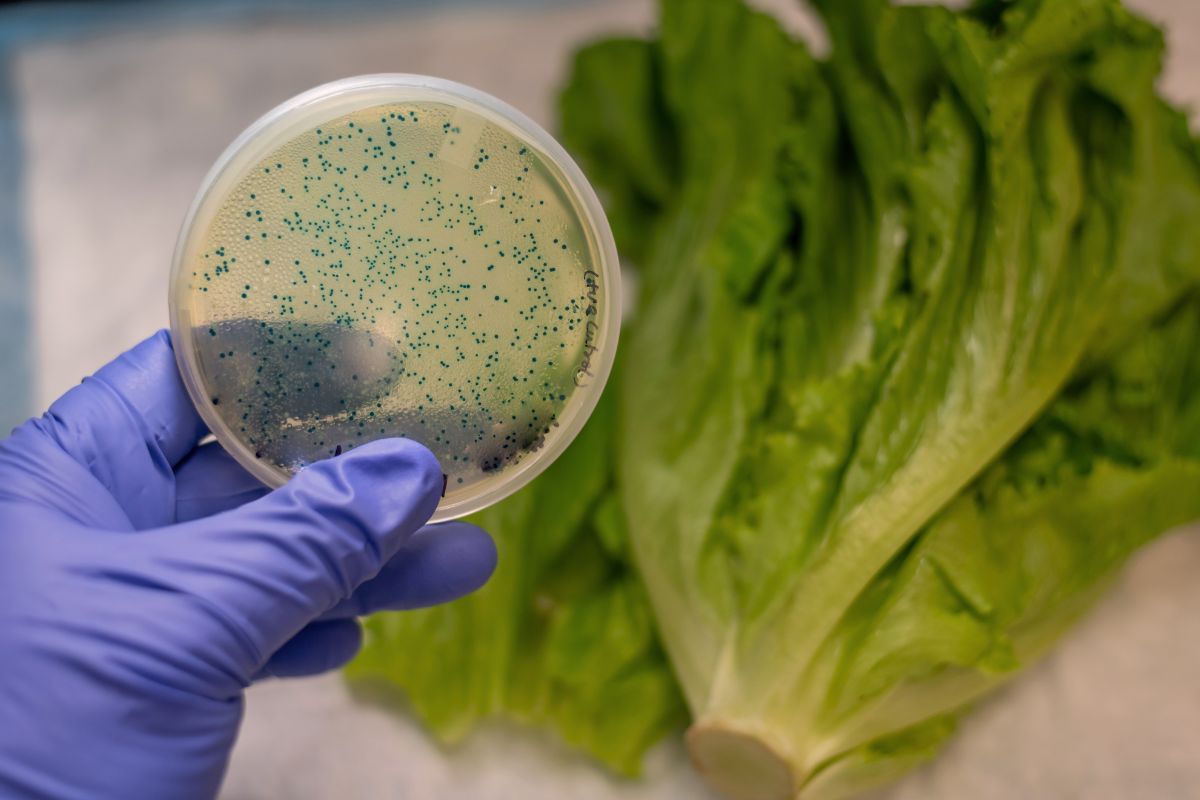
Your guide to safe food training and E. coli!
Most E. coli is harmless, but Shiga toxin-producing E. coli (STEC) can put people in the hospital. It lives in cattle intestines and usually reaches kitchens through ground beef or produce. In Minnesota, the best defense is cooking ground beef to 155°F and washing produce before it’s cut. That includes the Juicy Lucy, where the molten cheese center can hide an undercooked middle.
E. coli in Minnesota: 2024 Cases and Outbreaks
The Minnesota Department of Health (MDH) counted 698 STEC cases in 2024, including 15 cases of hemolytic uremic syndrome (HUS), a complication that can damage the kidneys. That November, an outbreak linked to ground beef served at multiple Minnesota restaurants sickened 28 people.
The CDC now ranks it among the top five causes of foodborne illness, with an estimated 3,150 hospitalizations a year.
Where STEC Comes From
-
Ground beef, because grinding spreads bacteria from the surface throughout.
-
Raw produce that touched cattle manure in the field, like the organic carrots behind a 2024 multistate outbreak that reached Minnesota.
-
Raw milk and raw-milk cheese, which we covered in our post on a recent raw cheddar outbreak.
-
Unpasteurized juice. In 2024, MDH investigated a small outbreak linked to a Douglas County juicery.
-
Animal contact, like the 2024 outbreak tied to a Ramsey County fair.
-
Person-to-person spread, which drove 2024 child care outbreaks in Stearns and Beltrami counties.
Controls for Your Kitchen
Each control below comes from the Minnesota Food Code or MDH guidance.
Cook Ground Beef to 155°F
The Minnesota Food Code requires ground meat to reach 155°F for 15 seconds, or 158°F instantly. A Juicy Lucy in Minneapolis and a supper club patty melt up north get the same check: a probe thermometer, since color isn’t a reliable sign of doneness.
Wash Produce Before You Cut It
Minnesota requires you to thoroughly wash raw fruits and vegetables before you cut or serve them. Leafy greens need extra care, as our romaine post explains.
Protect Highly Susceptible Guests
Nursing homes, hospitals, and child care centers serve people most likely to get seriously sick. In those settings, MDH bars rare meat, raw seed sprouts, and unpasteurized juice from the menu.
Stick to Pasteurized Dairy
Minnesota allows occasional raw milk purchases at the farm, but your kitchen’s dairy has to be pasteurized and come from an approved source.
Keep Sick Workers Home
Employees diagnosed with STEC have to tell the person in charge. Anyone with diarrhea can’t return until at least 24 hours after symptoms end.
Food Safety Training That Covers E. coli
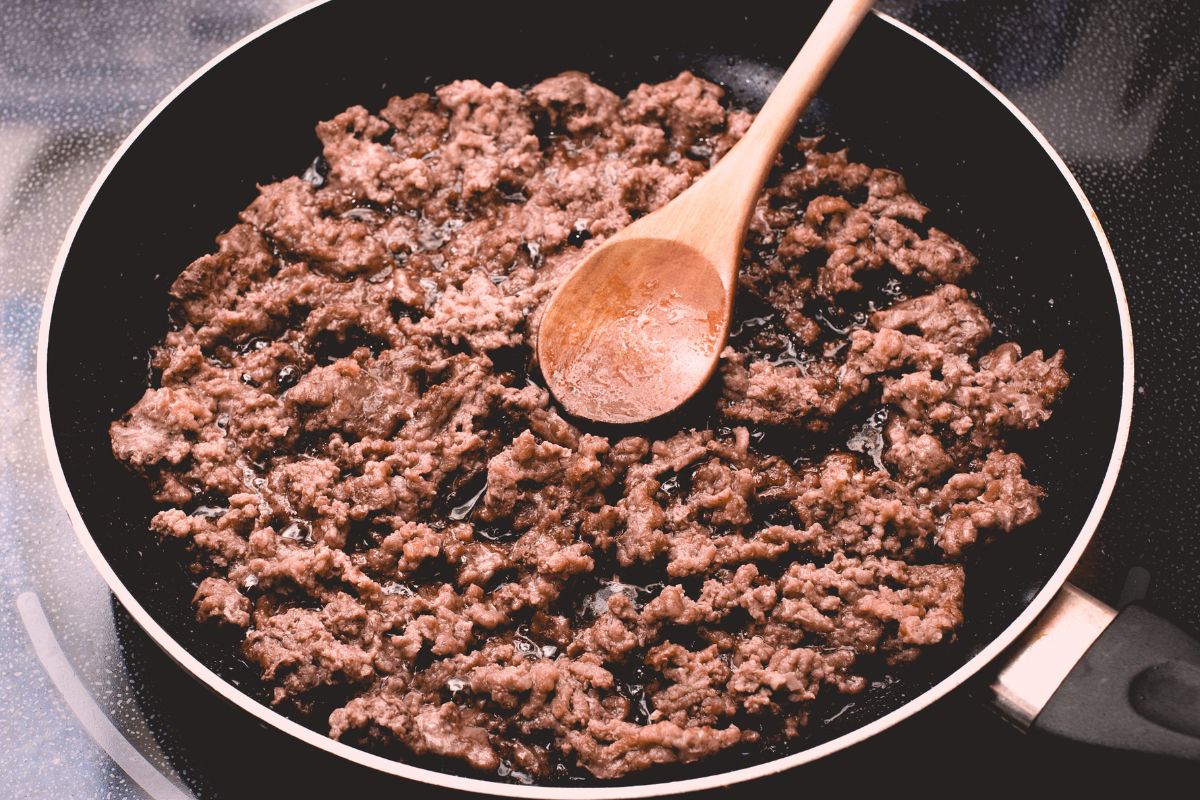
And the rules for cooking ground beef safely and protecting customers from E. coli and other foodborne illnesses
Most Minnesota food establishments must employ a Certified Food Protection Manager (CFPM), who oversees food safety on site. Safe Food Training has trained food protection managers across Minnesota for over 30 years. As a ServSafe Instructor and NEHA Registered Trainer, I teach STEC alongside the cooking temperatures that stop it.
Our Minnesota Department of Health-approved in-person classes run from the Twin Cities to St. Cloud and Duluth, with a 90%+ pass rate. Online training is self-paced in English and Spanish, and we also offer group training for multiple employees.
E. coli FAQs for Minnesota Kitchens
Managers ask us these most.
Can I serve a medium-rare burger in Minnesota?
Only with a consumer advisory telling guests that undercooked meat raises their risk. You can’t serve it to a highly susceptible population or on a children’s menu.
How soon do E. coli symptoms start?
Usually two to five days after infection, and most people recover in five to 10 days. MDH says HUS develops in about 5% of reported E. coli O157 cases, most often in young children and older adults.
How do I cook a Juicy Lucy safely?
Check the patty, not just the cheese, with a probe thermometer. The meat has to reach 155°F for 15 seconds, like any other ground beef.
Does rinsing lettuce remove all E. coli?
No. Washing removes soil and some bacteria, but it can’t guarantee that contaminated produce is safe.
Does CFPM training cover E. coli?
Yes. STEC is one of the major foodborne pathogens covered in food manager training.
Keep E. coli Off Your Menu
One undercooked burger can turn into a health department investigation, so book your training at safefoodtraining.com. You can also reach me at (952) 210-0195 or info@safefoodtraining.com. If you’re renewing your CFPM, finish the 4-hour online recertification before it expires to skip the exam, and use code SFT10 for $10 off.

