Food Manager Certification MN and Summer Produce Storage

Food Manager Certification MN and Summer Produce Storage
Image credit : en.wikipedia.org

With the rising temperatures of late spring and summer, the potential for your room-temperature produce to spoil increases. In food manager certification MN classes, we often discuss the dangers of rotting food. Rotting produce attracts pests, can cause bacteria to grow on countertops and in storage containers and can create a cross-contamination hazard.


Food Manager Certification MN and Summer Produce Storage


When we ask our students which fresh produce items spoil the quickest in the summer, the list is always pretty close to the same. Some of the most frequent offenders include:

  • Bananas
  • Avocados
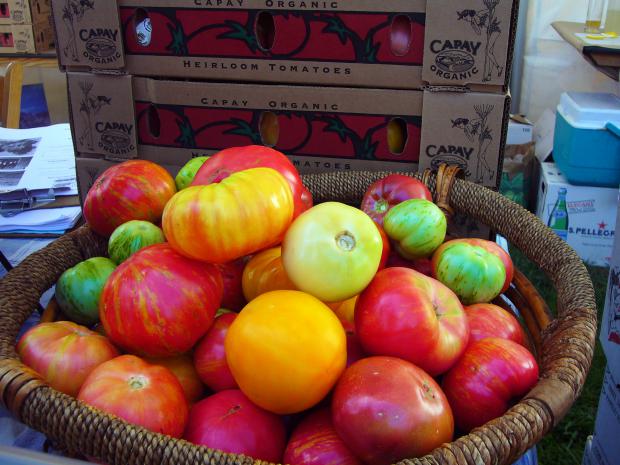
  • Tomatoes


Bananas and avocados are generally stored at room temperature because they are produce items that need to ripen before consumed. The idea that bananas and avocados store best at room temperature has led many to believe that they can never be refrigerated. The colder temperatures that prevent these produce items from ripening can also slow the process of over ripening. A simple way to extend the life of these items is to simply wait for them to ripen to your liking and then place them in your produce cooler.


Tomatoes can often be difficult to store in the summer time. The ideal temperature for tomato storage is usually between 50 and 60 degrees. As anyone who works in food service knows, finding a storage space kept at this temperature is nearly impossible.


Many chefs insist that tomatoes lose their flavor under refrigeration and it’s better to allow them to expire rather than destroy their natural tastes. If you’re a budget conscious operation, however, this may not be an alternative that you’re willing to face.


Tomatoes are harvested like bananas. They are picked several days before they have ripened and are allowed to mature at room temperature. While there may be some truth to the idea that tomatoes lose their flavor when refrigerated, they will maintain their crispness at a lower temperature and you will have less waste if you store them in the refrigerator. If you’re insistent that tomatoes can never be refrigerated, then we suggest that you only purchase only enough to fill your needs during the summer months. We have also heard that several experienced chefs employ the use of a wine refrigerator or wine cellar that is temperature controlled to extend the life of their tomatoes without sacrificing their flavor.


Do you have any tips and tricks for storing produce that doesn’t thrive at high or low temperatures? If so, feel free share them in the comments section below.

Bacteria Controlling Additives and Food Safety Certification MN

Bacteria Controlling Additives and Food Safety Certification MN

The prevention of food-borne illness due to harmful bacteria is one of the major topics that we cover in our food safety certification MN training sessions. Bacteria can be removed from foods through washing of raw fruits and vegetables, proper handling of animal proteins and adhering to cooking temperature guidelines. For some time, major food processors have taken an extra precaution to prevent bacteria such as Listeria from contaminating their manufactured product by adding chemically based compounds that slow or kill the growth of harmful bacteria. According to research conducted at the University of Guleph in Canada, these additives can also kill the good bacteria that aid digestion, but they feel that they may have discovered a natural, soy-based product that effectively controls the growth of bad bacteria in manufactured food product.

Bacteria Controlling Additives and Food Safety Certification MN
Image credit: www.flickr.com


Food Safety Certification MN and Controlling Bacteria in Manufactured Products


We understand that this subject is a little out of our food safety certification MN jurisdiction, but we feel that since it does affect the safety of our food supply, it’s one that needs to be talked about. If you read the ingredients of most pre-packaged foods, you’ll see a long list of chemical compounds with nearly unpronounceable names. While all of these additives have been approved by the FDA, there is more and more research emerging linking health risks to these preservatives and chemically-based bacteria killers in the food supply.


The study conducted at the University of Guleph claims that a byproduct of certain strains of soybeans can be just as effective at preventing the growth of bad bacteria without killing the good bacteria that our digestive system needs. If this research is in fact accurate, it may be a promising development.


A few concerns do arise, however, since we are talking about a soy based additive. There are people who are severely allergic to soy and soy-based byproducts. How will adding more soy-based additives into the food supply affect those who have a sensitivity to these types of foods?


The research claims that the method used to extract the necessary elements from the soy bean prevents any of the compounds that cause allergic reactions from entering the food supply. With this study still in the early stages, we’ll remain skeptical, but optimistic, until more case studies have been done and thorough data on this issue have been released.


Additives have been a hot-button issue for some time, and we like to keep an eye out for innovations that may improve the way our food is produced. Feel free to leave your thoughts on this issue in the comment section below.