Food Manager Certification Focus On Surging Energy Costs

Food Manager Certification MN Training On Saving Energy

During many of our food manager certification MN training sessions, we often get to participate in conversations involving important issues affecting the food industry. Recently, we engaged with several experienced professionals who were discussing their strategies. They focused on reducing utility costs, especially during the summer months when energy rates tend to be higher than the rest of the year.

Food Manager Certification MN Training On Saving Energy

Food Manager Certification: Controlling Energy Costs


In our conversations with food-service managers, we have discovered that there are three major elements in your kitchen. These elements should be monitored to keep your utility costs under control.

  • Water waste
  • Refrigeration systems
  • Ovens and large kitchen appliances

One major factor in minimizing water usage is preparation. A common source of water waste is thawing frozen food products. While it is perfectly acceptable to thaw frozen product under running water, the water coming out of the tap costs money. We suggest that you take the time to plan ahead. Defrost your frozen fish, meats, and other foods in the refrigerator. It may take longer, but it will reduce your water bill each month.

Another source of wasted energy comes from malfunctioning, dirty, or unmaintained refrigeration units. Ensure that your refrigerator door seals are in good repair, clean, and form a tight seal when shut. Another way to increase your refrigerator’s efficiency is to make sure all fans on the compressor are cleaned regularly. Also, ensure that the compressor hoses are all attached tightly and that the motor is functioning properly. Be on the lookout for any unexplained temperature changes in your refrigerators or freezers. This could be a sign of a problem that will cause your units to use more power to keep your food cold.

What’s Your Biggest Challenge In Controlling Your Energy Costs

Finally, your ovens, deep fryers, gas burners, and flattop cooking surfaces are huge contributors to your natural gas and electricity costs. If you take the time to inspect which appliances are turned on during your daily operations, you may find something interesting. You might discover multiple ovens that are never in use during certain times of the day. Also, your deep fryers may be running during times when they do not need to be used. Taking the time to assess your procedures to ensure that you are not wasting energy by leaving too many power-draining appliances on will go a long way. These efforts will help you lower your monthly utility bills.

These are just three examples of how we feel that you can reduce energy waste at your establishment. We have heard many more suggestions during our food manager certification sessions. However, we would like to know what you have found to be your biggest challenge in controlling your energy costs. Leave your comments below.


Expert Tricks for Keeping Buffet Items at Safe Temperatures

Keeping buffet items at safe temperatures is crucial for both food safety and quality. Proper temperature control prevents the growth of harmful bacteria and ensures that your guests enjoy a safe and delicious dining experience.

Temperature Control and Monitoring

Understanding the Temperature Danger Zone

The temperature danger zone, ranging from 41°F to 135°F (4°C to 60°C), is where bacteria multiply rapidly. Foods should not remain in this range for more than 2 hours, or 1 hour if the ambient temperature is above 90°F (32°C).

Expert Tricks for Keeping Buffet Items at CFPM Safe Temperatures
Image credit: vershininphoto via 123rf

Utilizing Food Thermometers for Precision

Use calibrated, digital food thermometers for accurate temperature monitoring:

  • Check hot foods every hour
  • Monitor cold foods every 2 hours
  • Record temperatures in a log for tracking and accountability

Regular temperature checks ensure that buffet items remain at safe temperatures throughout service.

Implementing Effective Heating Solutions

To keep hot foods at 135°F or warmer, use equipment such as:

  • Chafing dishes with fuel
  • Electric warming trays

Hot dishes such as meats, casseroles, and soups should be kept at a minimum temperature of 135°F to prevent bacterial growth.

Ensuring Cold Food Stays Cold

Maintain cold foods at or below 41°F (4°C) using:

  • Ice baths or nesting dishes in bowls of ice
  • Refrigerated or insulated serving units
  • Well-insulated coolers or containers

Replace ice as it melts and use shallow containers to help maintain cold temperatures.

7 Best Practices in Food Handling and Hygiene

  1. Preventing Cross-Contamination
  2. Separate raw and cooked foods during storage and preparation
  3. Use color-coded cutting boards and utensils
  4. Arrange foods strategically in the buffet area to prevent cross-contamination
  5. Importance of Staff Training and Supervision
  6. Develop a comprehensive training program on food safety and temperature control
  7. Conduct regular refresher courses

Additional Tips for Keeping Buffet Items at Safe Temperatures

  • Use a food thermometer to regularly check the internal temperature of dishes
  • Keep extra hot items in warming ovens and cold items in refrigerators until needed
  • Discard perishable foods that have been left out for more than 2 hours (1 hour in hot weather)

By implementing these practices for keeping buffet items at safe temperatures, food managers can significantly reduce the risk of foodborne illnesses and maintain the quality of buffet offerings.

New ServSafe Food Manager’s Guide To Pesticides On Produce

ServSafe Food Manager's Guide To Pesticides On Produce

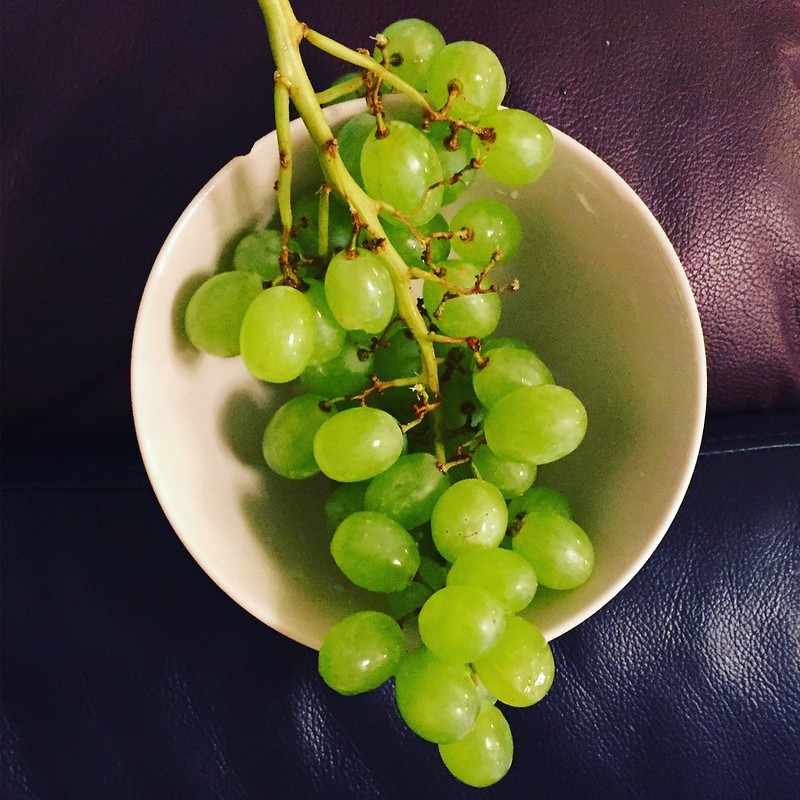
ServSafe food managers should be on the lookout for any type of hazard that could cause foodborne illness in their guests. While bacteria is one of the most common causes of illness spread in food, pesticides and chemical residues on fresh produce can also pose a hidden hazard. Is there a guide for Servsafe food managers to identify pesticides on produce, and what steps can a ServSafe food manager take to ensure their finished product is uncontaminated?

ServSafe Food Manager's Guide To Pesticides On Produce
Image credit: Adrienne LaTrice and Maggie Judson via flickr

The ServSafe Food Manager and Pesticides on Fresh Produce

While the potential exists for some pesticide contamination on all produce that arrives at your restaurant, there are some fruits and vegetables that are more prone to residual pesticides and chemicals than others. Each year, the Environmental Working Group (EWG) identifies their top 15 dirty and clean produce items as far as pesticides are concerned. The 2021 dirt list includes:

  • Greens such as kale, collard greens and spinach
  • Celery
  • Strawberries and grapes
  • Peppers and Tomatoes
  • Apples, Nectarines, Cherries and Pears

If you notice the grouping of these dirty items, you’ll see there’s no common theme as to how each of these potentially contaminated ingredients is grown. We have greens grown in the ground, berries on vines, vegetables and tree fruits. With such a wide variety of fresh produce making the list, how can a ServSafe food manager ensure his produce is clean?

The first step for a ServSafe food manager is to never assume that your fresh produce is free of pesticides just because of the way it’s been packaged, especially when dealing with greens. Some greens come loose and obviously need rinsing in order to prepare for service, but even clean-looking produce in sealed bags may still be contaminated. An extra rinse won’t damage most greens, so even if the package claims to contain prewashed produce, it’s prudent to rinse before service.

This should hold true for most fresh produce, not just leafy greens. All fruits, vegetables and berries should be properly rinsed before preparation or offered fresh to customers.

The EWG also released a top 15 list of clean produce that has the lowest risk of pesticide contamination, however, low risk does not equal no risk. So wash these fruits and vegetables before service as well.

Do you take steps to reduce the risk of pesticides reaching your guests dining room table?

Online Food Training for Special Food Preparation Processes

Food-Preparation-Processes

Sometimes there are food preparation processes that are not covered by online food training or specifically detailed under Minnesota food code regulations. So what should a food safety manager do if they cannot find a specific guideline for their unique food preparation technique?

Food-Preparation-Processes
Curing sausage Image Credit: MaxPixel

Unique Food Preparation Processes

If you have a food preparation process that you’re unsure about or cannot find any rule that addresses your situation, you may be required to obtain a variance from your local health inspector. There are too many cooking and storing processes to name in one article, but some situations that may require a variance include:

  • Smoking or Curing
  • Sprouting Seeds or Beans
  • Preserving
  • Custom Animal Processing
  • Reduced Oxygen Packaging

These five items are just examples of food preparation techniques that may require a variance from the health department. If your methods are not covered under the health code, or if you’re unsure, we advise you to contact your local health department.

Using the health department as a resource in situations of uncertainty helps keep the food you serve safe. Online food training and thumbing through the food code is a great start, but it’s best not to proceed until you ensure that your process produces safe to eat foods.

Obtaining a variance from the department of health is not as complicated as you may think. A local health inspector will need to come to your facility and observe your food preparation method. This is a great opportunity to discuss your cooking methods and potentially learn safer ways to prepare your food under these special circumstances. During the health inspector’s observation, they will let you know whether or not they approve of your methods. If they decide not to grant your procedure a variance, ask questions and seek advice from these professionals on how to prepare these items safely.

Do you have a cooking procedure/food preparation processes that does not seem to fall under standard health code rules?