New Certified Food Protection Manager Vomit Cleanup Regulations

Certified Food Protection Manager Vomit Cleanup

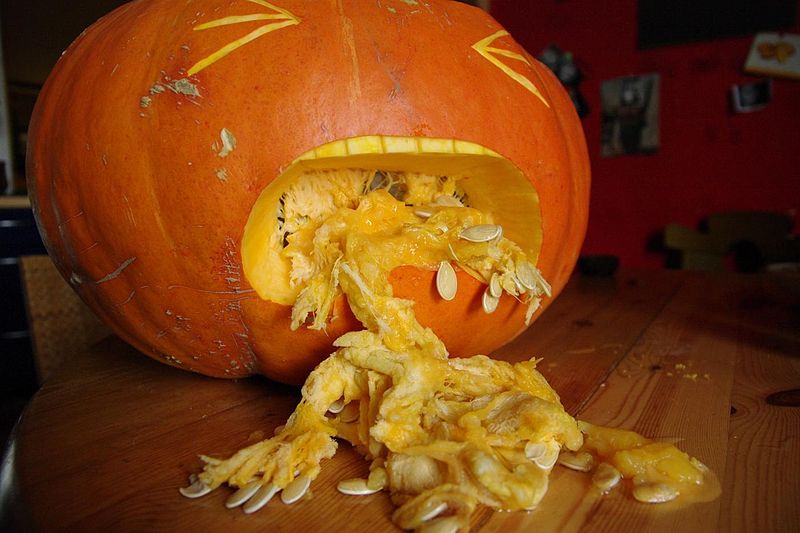
Vomit and feces cleanup may not be a subject that most people want to talk about, but it’s an important topic for food safety managers to understand. The Minnesota Food Code will soon be changing, and among those changes are new procedures for cleaning up vomit and feces after an incident. We’ll explore Certified Food Protection Manager Vomit Cleanup Guidelines.

Certified Food Protection Manager Vomit Cleanup

Image credit: C Tennie via Wikimedia Commons

Certified Food Protection Manager Vomit Cleanup Guidelines

Hopefully it’s not a common occurrence, but there may be an incident that requires a food safety manager to monitor or perform the cleanup of vomit or diarrhea in their facility. The new language in the food code states that food safety managers must establish procedures for employees to follow in the event of a vomit or diarrhea incident. These procedures should be well defined and understood by all members of your staff. Your established procedures should look something like this:

  • Act fast
  • Wear gloves
  • Contain the contamination
  • Properly clean and sanitize the affected area
  • Thoroughly wash contaminated plateware and utensils
  • Properly wash your hands after cleaning up

Containing the incident right way stops the spread of particles that could end up in a guest’s food. Allowing vomit or feces to remain where it is for any length of time gives bacteria ample opportunity to multiply and spread to other sections of your facility.

Wearing rubber gloves, preferable elbow length gloves, will prevent any fecal matter or vomit from touching an employee’s skin. Wearing protective gloves, make sure every surface has been cleaned from visible matter, and then sanitize. Just because there are no visible signs of bacteria, it doesn’t mean that all traces have been removed. Liberally sanitize the areas where the incident occurred, and make sure to extend your sanitation range well beyond the location where visible contaminates are located. Invisible bacteria can be ejected quite a distance from the affected area.

Finally, dispose of any soiled items that are not salvageable and wash all linens, plates, cups and any other utensils in the affected area. Be safe and wash everything within a decent radius of the incident. The possibility remains that unseen bacteria has contaminated nearby utensils.

Do you already have a Certified Food Protection Manager Vomit Cleanup procedure posted for employees?

Retaking the Food Safety Certification Exam

Retaking the Food Safety Certification Exam

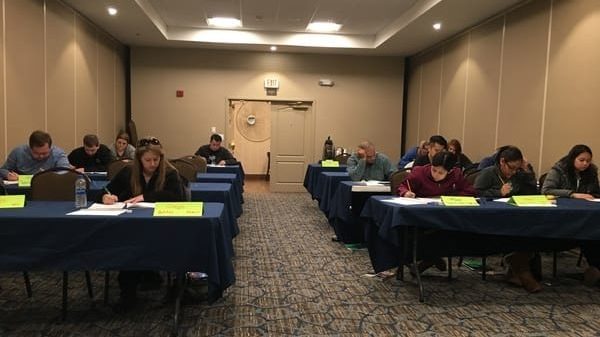
At Safe Food Training, we pride ourselves on the high success rate our students have when taking their food safety certification exam, but there are times when we have a student who must take a second test in order to gain their food manager certification. This week, we’d like to offer tips and suggestions on what to do if you do not pass the test the first time.

Retaking the Food Safety Certification Exam
Image credit: Tim Niles

Food Safety Certification Exam Retake Tips

If you end up in a situation where you must retake your food safety certification exam, we recommend you prepare by following these steps:

  • Review the material as soon as possible
  • Plan on retaking the class before the exam
  • Schedule a retake as soon as you are able

Reviewing the material and retaking the exam shortly after the first test helps keep the information fresh in your mind. It will also reinforce the material that you may not have understood completely by allowing you to remember which sections of the exam that were a struggle.

When the day for your retake session arrives, come prepared. Be ready to take notes, engage with the instructor and ask questions when you are unsure about the discussion. We’ve found that students who ask questions and are active participants achieve better results on the test.

Finally, don’t dwell on your past results when the time comes to retake the exam. Remain calm and confident. If you’ve prepared properly, the second time should result in a much better outcome.

If you’ve recently taken the food safety certification exam, but the results did not go as planned, contact us for information about scheduling a retake.

The Benefit of Taking MN Food Manager Recertification Class

The-Benefit-of-Taking-MN-Food-Manager-Recertification-Classes

When the time comes for food service supervisors to renew their certifications, many opt simply to study and take the online course without enrolling in a full MN food manager recertification class. We think only positive things come out of taking the full course rather than skipping it during certification renewal.

The-Benefit-of-Taking-MN-Food-Manager-Recertification-Class
Image Credit: mayushka

Nothing beats interacting and engaging with an experienced food safety instructor and getting together with fellow food service professionals during training. MN food manager recertification classes sometimes bring up food safety issues you may have forgotten or may not be aware of. Interacting with fellow professionals and a trained teacher help brings solutions and answers questions about unclear topics.

There is a common misconception that a MN food manager recertification class will cost just as much as the initial food safety certification class and taking the course online can save money. Actually, the fees for instructor-led classes are the same as online recertification. With costs being similar, it makes sense to take advantage of an environment where you have the opportunity to ask questions and receive insights from a food safety expert.

Finally, taking the courses at home runs the risk of distraction. Taking the class in person keeps students focused and engaged in the material. Many students struggle to focus when given the opportunity to pause the training and become sidetracked by other tasks. Completing your recertification in one sitting during a scheduled class and testing session will reduce the chances you’ll lose focus while at home.

How do you prefer to handle recertification when you must renew? We offer both classroom and online instruction to meet all of our clients needs. We hope to see you when the time comes to renew your certification.

How Certified Food Managers Use Hands-Free Features to Reduce Utility Costs

How Certified Food Managers Use Hands-Free Features

Many certified food managers utilize hands-free faucets and soap dispensers in their restaurant’s guest washrooms. These are attractive for many reasons. They keep utility costs down by only being on when someone is using them, and they generally keep guest washrooms cleaner. While restaurateurs take advantage of automated faucets in public places, there are numerous advantages to incorporating hands-free devices in the work areas of your kitchens.

How Certified Food Managers Use Hands-Free Features
Image Credit: EcoLab at NRA Show via Vimeo

How Hands-Free Options Can Lower Utility Bills

Faucets in food-service handwashing stations can be covered in countless bacteria. Soiled hands turn them on and leave contaminates from raw food and other sources on the handles. While proper handwashing technique requires faucets to be turned off with a paper towel, this does not completely eliminate bacteria on the surface. Installing a hands-free system will prevent dirty hands from spreading bacteria to faucets and reduce the risk of spreading pathogens by turning on and off the faucet.

Hand-free faucets also reduce waste. These systems only turn on when an employee is actively using the sink. This keeps the water from running while an employee dries their hands or forgets to turn it off completely. The back of the house uses more water than guest bathrooms, and reducing water waste in the kitchen can go a long way towards keeping utility costs in check.

Hand-free faucets are not the only energy saving solution for your kitchen. Installing motion-sensor light switches will keep lights off in rooms that are often empty such as janitorial closets, dry storage areas and employee break rooms. Rising electricity rates can eat into your bottom line, and making sure that unused areas are not needlessly lit can help your profit margin.

Hand-free faucets and motion-sensor light switches are only two ways certified food managers can control their utility costs. Do you use any other kinds of automation in your facility to your lower your monthly bills?