New FDA Menu Labeling Guidelines and Food Manager Certification in MN

New FDA Menu Labeling Guidelines and Food Manager Certification in MN

Effective the first week in May, the FDA requires all chain restaurants with 20 locations or more to post nutritional information for their menu items. This impacts menu design and how customers view the dishes that you serve.

New FDA Menu Labeling Guidelines and Food Manager Certification in MN
Copyright: auremar / 123RF Stock Photo

The FDA rules apply to restaurants or businesses that serve restaurant-style items and have similar menus at 20 or more locations with the same name. Some exceptions exist for grocery-style items that require further preparation at home such as salad kits, deli meats and cheeses. The types of items that now require posted nutrition information include:

    • Take out item such as pizza and prepared sandwiches
    • Bakery items served over the counter or in coffee shops
    • Scoops of ice cream intended for immediate consumption
    • Certain alcoholic beverages

Nutrition is not a topic that is required for you to obtain your food manager certification in MN, but it will be necessary for supervisors to make sure that nutritional information is properly displayed. If you’re a supervisor at a chain with over 20 locations, your corporate office should send you all of the information that you need, but the information that the FDA requires on display includes:

        • Suggested total daily calorie consumption
        • Total calories and calories from fat in each menu item
        • Sodium
        • Carbohydrates, fiber and sugars

The FDA also requires food served in vending machines to visibly post nutritional information. This information can be available next to each item in the machine or on a digital display, but it must be visible in a place other than the package of the item.

The FDA suggests that making nutritional information available will help consumers make healthier dietary choices. Would nutritional information change your mind about ordering a double-cheese burger and selecting a fresh salad instead?

Food Manager Certification MN and Summer Produce Storage

Food Manager Certification MN and Summer Produce Storage
Image credit : en.wikipedia.org

With the rising temperatures of late spring and summer, the potential for your room-temperature produce to spoil increases. In food manager certification MN classes, we often discuss the dangers of rotting food. Rotting produce attracts pests, can cause bacteria to grow on countertops and in storage containers and can create a cross-contamination hazard.


Food Manager Certification MN and Summer Produce Storage


When we ask our students which fresh produce items spoil the quickest in the summer, the list is always pretty close to the same. Some of the most frequent offenders include:

  • Bananas
  • Avocados
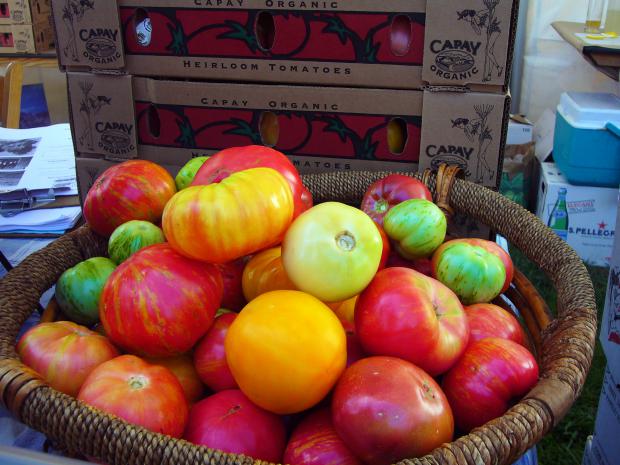
  • Tomatoes


Bananas and avocados are generally stored at room temperature because they are produce items that need to ripen before consumed. The idea that bananas and avocados store best at room temperature has led many to believe that they can never be refrigerated. The colder temperatures that prevent these produce items from ripening can also slow the process of over ripening. A simple way to extend the life of these items is to simply wait for them to ripen to your liking and then place them in your produce cooler.


Tomatoes can often be difficult to store in the summer time. The ideal temperature for tomato storage is usually between 50 and 60 degrees. As anyone who works in food service knows, finding a storage space kept at this temperature is nearly impossible.


Many chefs insist that tomatoes lose their flavor under refrigeration and it’s better to allow them to expire rather than destroy their natural tastes. If you’re a budget conscious operation, however, this may not be an alternative that you’re willing to face.


Tomatoes are harvested like bananas. They are picked several days before they have ripened and are allowed to mature at room temperature. While there may be some truth to the idea that tomatoes lose their flavor when refrigerated, they will maintain their crispness at a lower temperature and you will have less waste if you store them in the refrigerator. If you’re insistent that tomatoes can never be refrigerated, then we suggest that you only purchase only enough to fill your needs during the summer months. We have also heard that several experienced chefs employ the use of a wine refrigerator or wine cellar that is temperature controlled to extend the life of their tomatoes without sacrificing their flavor.


Do you have any tips and tricks for storing produce that doesn’t thrive at high or low temperatures? If so, feel free share them in the comments section below.

The Food Safety Modernization Act and Food Manager Certification MN

The Food Safety Modernization Act and Food Manager Certification MN
Image credit: commons.wikimedia.org

Over the past few years of providing MN food manager certification training courses, we’ve received numerous questions about how the Food Safety Modernization Act (FSMA) affects certain local businesses. While the rules tend to be a bit murky and may require some sifting through legal jargon, we’ve decided to take a closer look at who is affected by the FSMA.

Food Manager Certification MN and the Food Safety Modernization Act

In 2010 the US Congress enacted the FSMA to help prevent major food poisoning outbreaks from occurring. The act targets major produce growers, food processors and pet-food manufacturers. It is our understanding that most retail businesses such as restaurants, grocery stores or other outlets that do not process or supply large quantities of product to consumers are not subject to these regulations.

The FSMA’s major concern is with the food supply in our country rather than with the retail sale of prepared goods. The target businesses of the FSMA include major produce growers who average over 25,000 dollars in sales per year, large processing plants of food for human and pet consumption and the importers of raw foods. To put it simply, most of the food service professionals who come to us for training need not worry about the FSMA. If you’re a supervisor at a restaurant, owner of retail store or manager at the cafeteria at an assisted living facility, the FSMA regulations have little to no effect on your operation.

If you’re a farmer, producer of large quantities of food product or a supplier of raw food product to restaurants or processing facilities, then the rules become a little more complex. In the act, congress decided to exempt certain types of small-scale farms and raw food suppliers. Your farm or operation may be exempt if you:

  • Sell less than 25,000 dollars’ worth of product per year
  • Specialize in produce that is rarely served raw
  • Only produce goods for personal or farm consumption
  • Only grow food grains

If you are a farmer or produce grower, we suggest you browse Oregon State University’s detailed synopsis on how the FSMA applies to the farming industry.

If you produce large quantities of raw food for human or pet consumption, we strongly urge you to contact your local health department or the FDA to confirm if your business needs to be compliant with FSMA regulations. There are too many qualifying factors and exemptions for us to make a qualified analysis as to which businesses must follow FSMA regulations.

With legislation like the FSMA granting the FDA more authority over our food supply, we’d like to know how you feel about government’s role in overseeing food production. Do you think that we need more or less regulation at the local, state or federal levels?

Food Manager Certification MN Guide to Setting the Table

Food Manager Certification MN Guide to bread basket reuse


Food Manager Certification MN Guide to bread basket reuse
Photo Credit: pixabay.com

When food safety in restaurants is discussed, front of the house topics are quite often ignored. In fact, when your local health inspector arrives for your yearly inspection they may never even set foot in your dining room. Over the course of our experience providing food manager certification in MN, we have noticed that there are several misconceptions as to what can be done when resetting a table after guests have left.


Food Manager Certification MN Guide to Setting the Table


We once had a food service professional who was concerned with his restaurant