New Certified Food Managers Fundamentals For Washing Large Kitchen Tools

New Certified Food Managers Fundamentals For Washing Large Kitchen Tools

Certified food managers know that washing and sanitizing utensils, tools and preparation surfaces keeps food safe, but some items in kitchens present a challenge when it comes to sanitation. Long cutting boards, giant mixers, slicers and other types of equipment are simply too large to run through your dishwashing machine or wash in a triple sink. Let’s take a close look at how certified food managers properly wash these large kitchen tools to keep them clean and sanitary for production.

New Certified Food Managers Fundamentals For Washing Large Kitchen Tools
Image credit: belchonock via 123 rf

How Certified Food Managers Can Wash Large Kitchen Tools Properly

We’ve all seen those long cutting boards that run the length of the production line or the giant mixers used to make dough in massive batches, and we all know the challenges in keeping these items sanitary. Certified food managers know that simply wiping large kitchen tools like these long cutting boards down with a properly mixed sanitizer may not cut it; more care needs to be taken in order to properly clean these them.

When dealing with long cutting boards or moveable preparation surfaces that cannot fit in your warewashing machine, it’s important that both top and bottom of these boards are cleaned and sanitized. You may not use the bottom of the board, but that doesn’t mean that contaminates haven’t made their way underneath and begun to breed foodborne illness hazards. We suggest removing these boards from your line and finding an appropriate area to scrub and sanitize both sides. We’ve heard that some certified food managers utilize the top of an empty triple sink in order to create enough space to clean large kitchen tools like these long cutting boards properly.

Large mixing bowls, giant storage containers and other awkward implements present another challenge. These aren’t necessarily the easiest to scrub and sanitize. Rather than simply wiping them out with a sanitizer solution, we suggest certified food managers move unwieldy kitchen tools into your dish washing area in order to have access to hot water and the necessary detergents to clean properly. After being scrubbed, make sure that these large containers are thoroughly rinsed, sanitized and allowed to air dry before their next use.

Do you have a plan for those awkward kitchen tools that don’t fit in a conventional warewashing machine?
ServSafe Food Manager Training and Latex in the Kitchen

ServSafe food manager training and latex in the kitchen

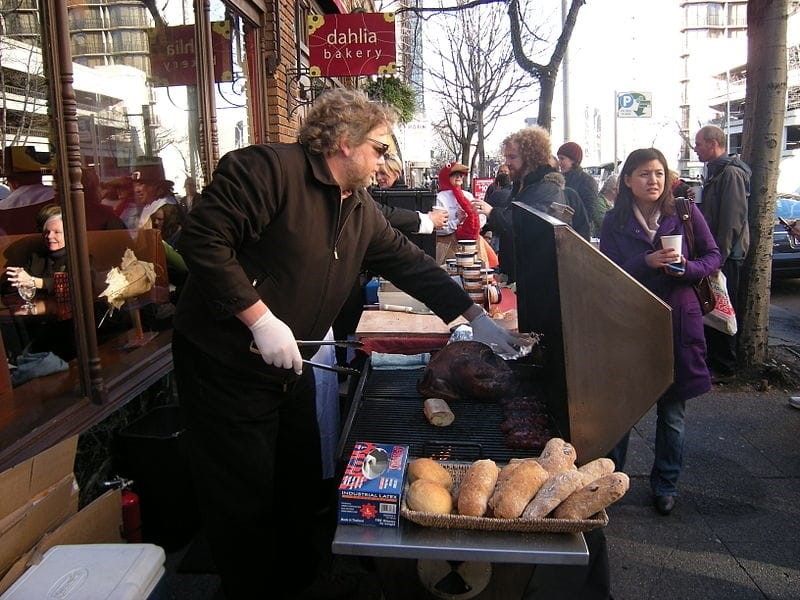
When allergies are discussed in ServSafe food manager training, we often cover allergen culprits that are ingested such as nuts, shellfish and dairy, but there are other allergens such as latex that causes a reaction on contact. While severe latex reactions to minimal contact are rare, they can happen so it’s best to be prepared in the event one of your staff or a guest suffers from a latex allergy.

ServSafe food manager training and latex in the kitchen
Image credit: Joe Mabel via Wikimedia

How ServSafe Food Managers can Prevent Allergic Reactions to Latex

It’s important to make sure that ready-to-eat foods are never touched with bare hands, and in order to prevent bare-hand contact many ServSafe food managers stock their kitchen with latex food-service gloves. This will be the most common source of a reaction to those who are allergic. If any of your staff is allergic or sensitive to latex, you’ll most likely see a mild to severe skin reaction including:

  • Excessively dry skin
  • Itchy rashes
  • Cracked and bleeding skin
  • Numbness in the fingers

While you may never see an allergic reaction outside of your kitchen staff, there are some who are sensitive to minimal contact from latex powder or food that has come into contact with latex. If you have a guest that is severely allergic to latex, they may experience:

  • Throat soreness or swelling
  • Nasal irritation or bloody nose
  • Gum, mouth or tongue irritation and swelling

If you’re a ServSafe food manager who has an employee who is sensitive to latex, or want to be prepared in the event you have a guest alert you to a severe latex allergy, we suggest you keep some vinyl food service gloves on hand. Vinyl gloves may not fit as snuggly as latex, but it’s best to be prepared for those who are allergic.

Do you provide your staff with an alternative to latex food-service gloves?

How to Food Safety Training for Pathogen Free Marinades

How to Food Safety Training for Pathogen Free Marinades

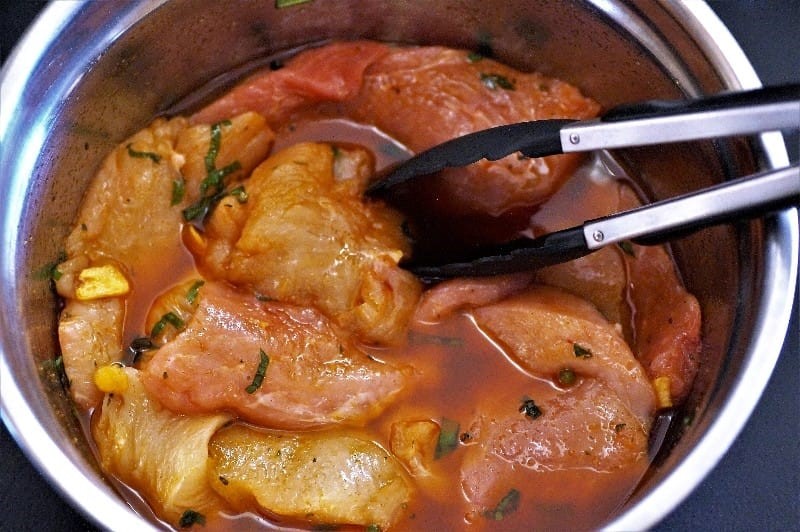
Marinades infuse meats, poultry and even vegetables with great flavors, but if you’re not careful they may also infuse your food with pathogens, bacteria and other contaminants that could sicken guests. As the saying goes, so it’s important to make sure that your extra flavor doesn’t come with a dose of illness. Let’s explore food safety training for pathogen-free marinades.

How to Food Safety Training for Pathogen Free Marinades
Image credit: pxfuel

Food Safety Training to Prevent Tainted Marinades from Causing Foodborne Illness

There are three major concerns when it comes to food safety training for bacteria-free marinades:

  • Cross-contamination
  • Spoiled Fresh Ingredients
  • Temperature Control

If you’re using the same marinade for multiple purposes, you run the risk of mixing two ingredients that may be required to be cooked to different temperatures. You’ll inevitably contaminate some ingredients if you mix multiple items in the same container. Meats and vegetables cook at different temperatures, and poultry requires a much higher final cooking temperature than most other raw foods. To avoid any type of cross-contamination, use a separate container to marinate different ingredients. It’s also a good food safety procedure to throw out marinades used for raw ingredients and start over each time you marinade new ingredients regardless of type.

If you make your own marinades in-house and make more than you need for any given day, make sure you take note of the shelf life of any fresh ingredients involved. Fresh ingredients spoil over time naturally and adding them to liquids can accelerate the process. Use proper labeling techniques to date all marinades and have a defined expiration date on all marinades and marinated product.

Temperature control can also sometimes be an issue with large batches of marinades. When soaking raw proteins, make sure that all ingredients are out of the danger zone, and don’t soak any protein at room temperature.

Finally, if you utilize dry rubs or marinades, you should still follow the same food safety procedures as wet marinades.

What’s the favorite marinade you use in your restaurant?

Tremendous Food Safety Manager Training Tips Focused On Autumn

Tremendous Food Safety Manager Training Tips Focused On Autumn

We focus a lot on food safety manager training in the kitchen, but did you realize that the fall season creates food safety risks outside of your building that may present a health threat? Just as the seasons change outdoors, food safety managers should make changes to their food safety training plan once the summer is over. This week we’ll highlight food safety manager training tips on potential outdoor food safety hazards that are especially prevalent in the fall.

Tremendous Food Safety Manager Training Tips Focused On Autumn
Image credit: viewapart via 123rf

Food Safety Manager Training Guide For Autumn

When the leaves begin to turn color and the geese prepare to fly south for the winter, Minnesotans also flock to the outdoors to enjoy the beauty of the fall season. This brings many potential guests to your establishment no matter what part of our great state you hail from, so you should be prepared to fight off food safety risks that may originate in outside of your business. Some common places fall food safety hazards begin include:

  • Dead leaves or decomposing vegetation in planters
  • Clogged storm drains or gutters
  • Dumpsters and recycling containers
  • Pest traps

The first three items on the list are common breeding grounds for gnats, flies and other insects that may infiltrate your food business. Potted plants, floral trees and other natural displays are quite attractive in the spring and summer, but once they begin to shed their leaves or die with the coming of the colder weather, they can host invasive insects, mice and rats. It’s important to maintain your plant fixtures and know when to remove them before they can attract pests that may enter your facility. Removing dead leaves and ensuring the perimeter of your building is free from decaying plant life will reduce the potential of pests from entering your establishment.

Insects also breed in areas of standing water. The fall rains may tax your gutters and outdoor drain systems. If your facility relies on these types of outdoor drainage systems, take steps to ensure that they aren’t clogged to prevent standing water. Your garbage and recycling containers also retain water if they are exposed to the rain. Try to make sure that they are covered in the fall or have proper drainage to prevent water buildup.

The final food safety manager training tip, pests seem to be more prevalent in the fall, so if you rely on fruit fly strips or other pest prevention traps, make sure they are checked and replaced frequently. A full trap will allow pests to go elsewhere, probably into your kitchen.

Do keep an eye on the exterior of your establishment during the fall season to prevent food safety hazards? Do you have other autumn tips for food safety manager training?