Where do ServSafe Food Managers Fit in the Vaccination Timetable?

Where do ServSafe Food Managers Fit in the Coronavirus Vaccination Timetable?

Estimated reading time: 2 minutes

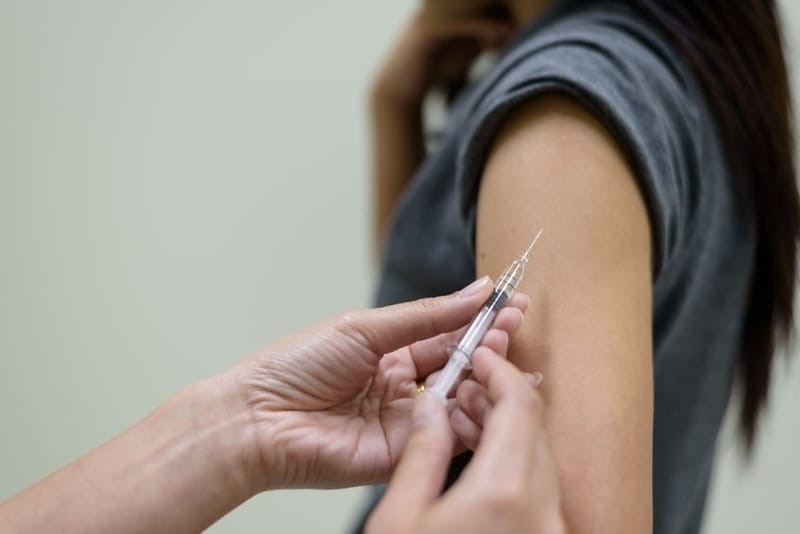
With the current rollout of COVID-19 vaccines, there is hope that a state a herd immunity will be reached and that life as we know it will return to some sort of normal state. From a public health standpoint, there appears to be a lot riding on vaccinations, and if these efforts are successful, we’ll hopefully see our restaurants, eateries and other food preparation businesses flourish once again. Since we’re looking at a phased vaccination process, we’ve been asked when ServSafe food managers and other food industry professionals will be potentially eligible to begin the vaccination process?
Where do ServSafe Food Managers Fit in the Coronavirus Timetable
Image credit: Komsan Loonprom via 123rf

COVID-19 Vaccine Timetables and ServSafe Food Managers

Before we begin discussing the vaccine, we must stress that at Safe Food Training our focus is on food safety management and our expertise lies in that area, not in the medical field. However, it’s becoming vital to understand COVID-19 protocols and solutions that will keep our guests safe from potential infection and allow our local restaurants to reopen at full capacity. These vaccines could play a role in speeding up the reopening process, so when should ServSafe food managers get the option of taking the vaccine?

From our research, restaurant workers, food service professionals and ServSafe food managers in the private sector will probably have to wait until vaccination efforts have covered medical professionals, the potentially susceptible and other fields deemed “essential” by public health officials. There is, however, a portion of foodservice professionals that may be able to choose to be vaccinated earlier than others. You may want to discuss early vaccine options with your employer if you handle food in:

  • Hospitals
  • Medical Facilities
  • Long-Term Care Facilities
  • Nursing Homes
  • School Cafeterias

While front-line medical staff and the elderly should have first priority due to their increased potential for exposure and risk, food safety workers in these fields may be eligible in an earlier phase of the vaccine rollout than private-sector ServSafe food managers. Rules often change county by county and even from facility to facility, so if you’re in one of these positions, you may wish to discuss the vaccine timeline with your employer.

While many of us will have to wait to see when we’ll have the option to receive the vaccine, food industry professionals in high-risk facilities appear to be edging closer. Where do you think food industry professionals rank in the vaccine line?


Cancellation Of In-Person Training For Food Protection Manager Certification

In-Person Training For Food Protection Manager Certification

2020 has certainly presented challenges for all of us trying to run a business. It has been the same here at Safe Food Training. We have done our best to navigate through all of the changing regulations and shut downs. I truly appreciate everyone’s flexibility as we have had to continually rearrange things. We have decided to suspend classroom trainings for food protection manager certification and re-certification in December and January with COVID-19 infections at such high levels.

In-Person Training For Food Protection Manager Certification

Background On The Decision To Cancel Of Our In-Class Training For Food Protection Manager Certification

As the highest rated in-person Certified Food Protection Manager training organization in Minnesota, this decision has a dramatic impact our hospitality industry customers who are required to have this certification and are more comfortable with classroom training. It also has a serious impact on our business.

We know you have had to make similarly tough decisions as the pandemic has evolved. We all have been forced to weigh the health risks to staff and customers, legal exposure, the viability of our businesses, the livelihood of staff, and/or contributing to the further spread of this deadly virus . There are no correct answers!

After careful consideration of the current data and projections of infection rates, hospitalizations and deaths caused by COVID-19 here in Minnesota, we have decided not to hold any Food Protection Manager Certification classroom trainings in December and January.

We do have our online recertification course for those of you who need that training. Sign up for that by clicking here:

For those who are seeking initial certification, we are holding exam-only sessions at several convenient locations around the Twin Cities and central MN. You can sign up for the online certification course and exam by clicking here:

We are hoping to resume our in-person training for food protection manager certification starting February 1st and beyond. You may register for any of those options currently on safefoodtraining.com.

Thank you all for your continued business and I hope you all are finding ways to get by this year.

Stay safe and have a wonderful holiday season.

Certified Food Managers and Air Curtain Use

Certified Food Managers and Air Curtain Use

Nearly every restaurant has a door propped open from time to time, whether it’s a backdoor to an alley with access to dumpsters or garbage storage, a delivery entrance or even a front door that remains open during hot summer months or periods of increased traffic during busy times. Leaving any door open in a food processing facility leads to the risk of contaminates entering the building via insects, fumes or dirt and dust. It also leads to an energy cost nightmare when heating and air-conditioning systems constantly kick on and off. If this is a problem in your facility, you may want to consider how certified food managers and air curtain use work together – click this air-curtain system link.

Certified Food Managers and Air Curtain Use
Image credit: Berner International

How Certified Food Managers and Air Curtain Use Keep Contaminates Out

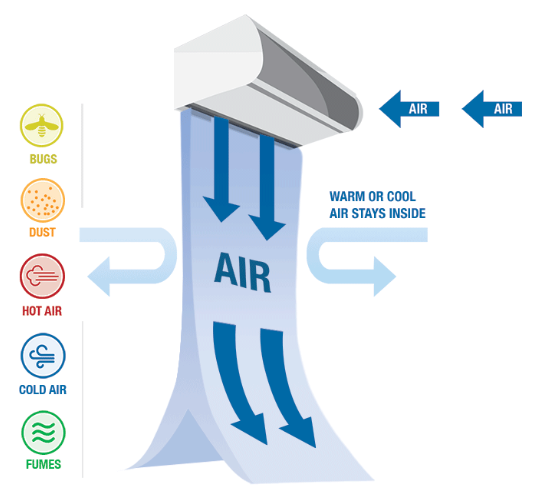
Back doors and delivery entrances are especially susceptible to being left propped open. This can allow fumes from a delivery truck, flies, insects and other contaminates enter your kitchen. An air curtain can be effective in preventing these types of things from becoming a hazard.

Air curtains work by collecting air in their fan housing and then forcing it from the unit at the top of door frames towards the floor. This creates a wall of air that cannot be penetrated by small insects, dust particles and fumes. It allows doors to be opened for extended periods of time while reducing the risk of outside contaminates from entering your facility. This barrier of air also keeps hot or cold air out, allowing you to better regulate the interior temperature of your establishment. Keeping your open doors protected gives certified food managers one less risk to worry about.

If you have a delivery door or a backdoor that is constantly open, we recommend looking into an air curtain to reduce the risk of pests and fumes from entering your kitchen. Do you utilize an air curtain in your facility? How do you feel about them? Leave us your thoughts on these certified food managers and air curtain use incites.

The Minnesota Food Managers and Sourcing Wild Mushrooms

Minnesota Food Managers and Sourcing Wild Mushrooms

The Minnesota Food Code is changing, and it’s not only going to affect the day-to-day duties of Minnesota food managers, but also change how they source and serve certain ingredients. One ingredient that is specifically targeted by upcoming regulation changes are wild mushrooms.

Minnesota Food Manager and Sourcing Wild Mushrooms
Image credit: maxpixel.net-CC0 Public Domain

Wild Mushrooms and Minnesota Food Managers

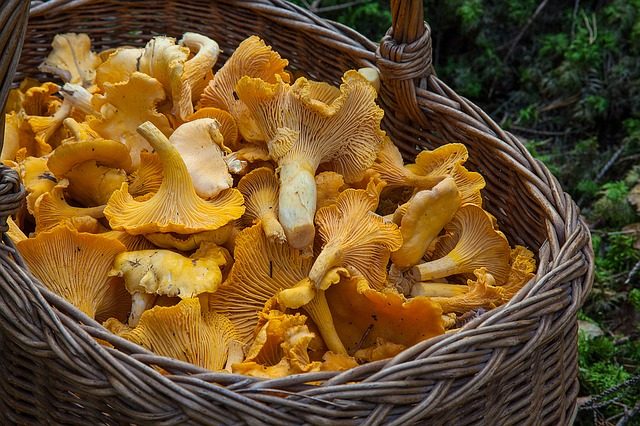
Before we begin our discussion, it’s important to understand the difference between wild mushrooms and other mushrooms. Most food managers source their mushrooms from major food service suppliers. These mushrooms are cultivated in facilities that fall under the jurisdiction of the appropriate local food regulatory agency. Some of these mushrooms can be the same species as those harvested in the wild, but are produced by food processing facilities. True wild mushrooms, however, come from the great outdoors and must be individually inspected by a verified expert in the field of mushroom identification.

Under proposed rule changes, food managers must keep a closer eye on where their mushrooms are coming from. Once these regulations go into effect, mushrooms must come from “registered harvesters or inspected food processing plants.” These new restrictions add an extra layer of food-safety by requiring licensed harvesters to take added responsibility for their product.

If your menu includes ingredients sourced from wild mushroom harvesters, make sure that your supplier is properly registered. This may help ensure that your product is safe and provide the health department more information in the event of food-borne illness as a result of tainted mushrooms.

Also included in this proposal is the requirement that facilities serving wild harvested mushrooms place a notice on their menus that mushrooms served were harvested at a site that has not been inspected. While your harvester may be fully registered, this notice is required to make consumers aware that their food has not passed the official inspections required for mushrooms produced in other facilities.

Do you serve wild mushrooms in your restaurant? If so, how do you feel about these new rule changes?