Food Safety Training and the First Thanksgiving

Food Safety Training and the First Thanksgiving

November has arrived once again, and that means that we take a few days off from coordinating online food safety training and administering certified food manager exams to celebrate Thanksgiving with our families and loved ones. But before we sit down to our turkey and stuffing, our sweet potatoes with marshmallows, our cranberry sauce and our pumpkin pie, we thought it would be fun to take a look at the feast the Pilgrims celebrated back in 1621.

Food Safety Training and the History of Thanksgiving

Food Safety Training and the First Thanksgiving
Image credit: Jennie Augusta Brownscombe via Wikipedia

The menu for our traditional Thanksgiving has been passed down from generation to generation without fail, but many of us would be surprised as to just how different the menu was on that very first Thanksgiving Day. In fact, our current Thanksgiving menu differs greatly with the food consumed by the Pilgrims and the local Wampanoag tribe during their harvest celebration.

While wild turkeys were plentiful in 1600’s New England, the only proteins mentioned in the writings of the Pilgrim’s chronicler are five deer that were gifted to the settlers by their Wampanoag guests. According to historians, some of the other proteins the Pilgrims may have consumed included:

• Wild birds such as geese and swans
• Mussels and clams
• Eel and other native fish
• Lobsters

In fact, some experts claim that the settlers subsisted on a diet high in the easily harvested mussels and other shellfish that could be obtained without expending the excess energy and resources that game hunting would require.

If turkey wasn’t the main course of the first Thanksgiving, can we still count on them serving stuffing, cranberry sauce and pumpkin pie on the side? At this point of the Pilgrims adventure, they had yet had the time to plant and harvest grain, and they had been too long out of England for any flour to remain to make stuffing or even pie crusts for traditional pumpkin pies. Cranberries were plentiful in the region, but without a source of sugar they were hardly consumed due to the incredibly tart taste. Squash such as pumpkins were available, but they were more than likely roasted over the coals of a fire and eaten with nuts and local berries.

Whether you serve the traditional turkey and pumpkin pie, or roasted eel and baked mussels, we’d like to wish you and yours the best this Thanksgiving season. Do you serve any dishes that defy Thanksgiving traditions? We’d like to hear about your experiences in the comments section below.
Delivery Drones and NFSRP Standards

delivery drones and nfsrp standards

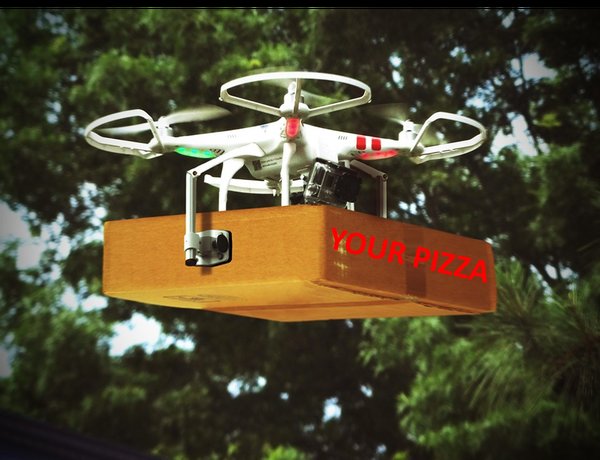
Chipotle restaurants recently announced that they will begin testing a drone delivery service at Virginia Tech, and earlier this year Domino’s began using robots to deliver pizza in New Zealand and Australia. We enjoy seeing creative innovations in the food industry, but we also feel the need to examine these achievements from a food safety perspective. With unmanned delivery drones and robots being tested, we grow curious to see if major food safety training standards such as NFSRP and ServSafe adjust their regulations with growing automation in the food service industry.

delivery drones and nfsrp standards
Image credit: pixabay.com

NFSRP and Automated Delivery Service

While researching the topic, we found that the biggest hurdle for automated delivery services lie with the authorities that govern transportation. The FAA and local jurisdictions can regulate the airspace used by commercial drone operators, and they have expressed concerns that the possibility exists that the risk of drone failures and crashes will increase in crowded airspaces as these services become more popular. We also see increasing studies into the hazards of driverless vehicles, and we would like to see whether or not a robot can successfully navigate busy city sidewalks and crosswalks without incident. So before we begin carpet bombing college campuses with foil wrapped burritos and calculating how big of a tip to give your favorite delivery robot, we must wait and see what types of regulations will be put in place.

One issue that we can address is the issue of food safety. Under the current food code, delivery drivers who do not prepare your food do not have to obtain any form of food safety certification, so we can probably assume that there is no rush to create droid level NSFRP training courses. One issue that concerns us, especially with prepared products such as burritos that contain highly sensitive beans and rice, is whether or not these prepared food items will spend a significant amount of time in the danger zone. Bacteria in beans, rice and many proteins thrive in lukewarm temperatures, and from what we have seen, delivery drones do not contain any warming equipment. The robots being tested in New Zealand seem to have an interior storage space that possibly contains a heating system, but from some of the test footage we have seen, burrito drones simply carry burritos from restaurant to customer. Given the potential for food-borne illness, we feel that this issue needs to be addressed.

These exciting innovations leave us wondering what is just over the horizon. If the old Jetson’s cartoons were any glimpse into our future, we hope that flying cars will be next. What futuristic innovations are you waiting to see revolutionize the food industry?

Bacteria Controlling Additives and Food Safety Certification MN

Bacteria Controlling Additives and Food Safety Certification MN

The prevention of food-borne illness due to harmful bacteria is one of the major topics that we cover in our food safety certification MN training sessions. Bacteria can be removed from foods through washing of raw fruits and vegetables, proper handling of animal proteins and adhering to cooking temperature guidelines. For some time, major food processors have taken an extra precaution to prevent bacteria such as Listeria from contaminating their manufactured product by adding chemically based compounds that slow or kill the growth of harmful bacteria. According to research conducted at the University of Guleph in Canada, these additives can also kill the good bacteria that aid digestion, but they feel that they may have discovered a natural, soy-based product that effectively controls the growth of bad bacteria in manufactured food product.

Bacteria Controlling Additives and Food Safety Certification MN
Image credit: www.flickr.com


Food Safety Certification MN and Controlling Bacteria in Manufactured Products


We understand that this subject is a little out of our food safety certification MN jurisdiction, but we feel that since it does affect the safety of our food supply, it’s one that needs to be talked about. If you read the ingredients of most pre-packaged foods, you’ll see a long list of chemical compounds with nearly unpronounceable names. While all of these additives have been approved by the FDA, there is more and more research emerging linking health risks to these preservatives and chemically-based bacteria killers in the food supply.


The study conducted at the University of Guleph claims that a byproduct of certain strains of soybeans can be just as effective at preventing the growth of bad bacteria without killing the good bacteria that our digestive system needs. If this research is in fact accurate, it may be a promising development.


A few concerns do arise, however, since we are talking about a soy based additive. There are people who are severely allergic to soy and soy-based byproducts. How will adding more soy-based additives into the food supply affect those who have a sensitivity to these types of foods?


The research claims that the method used to extract the necessary elements from the soy bean prevents any of the compounds that cause allergic reactions from entering the food supply. With this study still in the early stages, we’ll remain skeptical, but optimistic, until more case studies have been done and thorough data on this issue have been released.


Additives have been a hot-button issue for some time, and we like to keep an eye out for innovations that may improve the way our food is produced. Feel free to leave your thoughts on this issue in the comment section below.