Ace Your Checklist for Food Safety Evaluation: Expert Hacks

A comprehensive checklist for food safety evaluation is crucial for maintaining compliance and identifying potential hazards in food handling processes. This tool helps restaurants and kitchens ensure they’re meeting safety standards and protecting their customers’ health.

Image creidit- wavebreakmediamicro via rf123

Establishing a Food Safety Program

Before creating your checklist, it’s essential to:

A food safety checklist is an essential tool for identifying potential hazards and ensuring food products are safe for consumption.

Developing a Checklist for Food Safety Evaluation

Your checklist should include items such as:

Personal Hygiene and Staff Training

  • Establish clear hygiene standards for staff
  • Implement regular handwashing protocols
  • Provide appropriate protective clothing
  • Conduct regular food safety training sessions

Food Storage and Temperature Control

  • Monitor refrigeration and freezer temperatures
  • Implement a first-in, first-out (FIFO) inventory system
  • Check internal temperatures of cooked foods
  • Maintain proper hot and cold holding temperatures

Cleaning and Sanitization

  • Create detailed cleaning schedules for all areas
  • Use appropriate sanitizers for food contact surfaces
  • Implement proper dishwashing procedures
  • Regularly clean and sanitize food preparation equipment

Operational Execution and Monitoring

Preventing Contamination and Illnesses

  • Implement strict hygiene protocols
  • Monitor food temperatures regularly
  • Sanitize all food contact surfaces
  • Inspect incoming ingredients for quality and safety

Maintaining Food Quality and Safety

  • Establish clear procedures for food preparation areas
  • Monitor cooking processes closely
  • Train staff regularly on food safety practices
  • Implement allergen management protocols

Waste and Pest Management

  • Develop a comprehensive waste management plan
  • Implement a robust pest control program
  • Maintain clean and organized storage areas
  • Train staff to recognize signs of pest activity

Regular Evaluation and Updates

A food safety evaluation checklist can help you find gaps in your operation and assess your current food safety preparedness. It’s important to:

  • Conduct regular self-assessments using the checklist
  • Update the checklist as regulations or practices change
  • Address any issues identified during evaluations promptly
  • Encourage staff feedback on food safety practices

Documentation and Record Keeping

Maintain accurate records of:

  • Temperature logs
  • Cleaning and sanitization schedules
  • Staff training sessions
  • Pest control activities
  • Supplier certifications and invoices

Leveraging Technology for Food Safety

Consider incorporating technology into your food safety program:

  • Use digital checklists for easier tracking and analysis
  • Implement automated temperature monitoring systems
  • Utilize food safety management software for comprehensive oversight

By implementing these practices and regularly using a checklist for food safety evaluation, restaurants and kitchens can minimize risks and uphold high food safety standards.

Latest Tips That Will Help With MN Food Safety Certification Exams

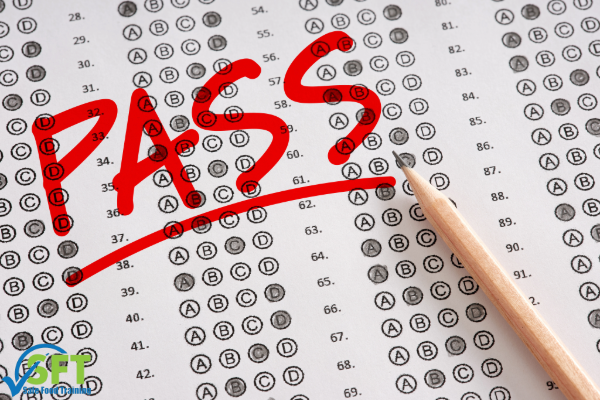
An exam with the word "pass" on it, multiple choice

To pass the Minnesota Certified Food Protection Manager (CFPM) exam, you must score at least 70% to 75% (depending on the provider) on a proctored, 85-question multiple-choice test. The most effective way to ensure a first-time pass is to attend an in-person, 8-hour training session that covers the current FDA Food Code and Minnesota-specific health regulations.

Preparing for your food safety certification exam shouldn’t feel like a trip to the dentist. While the Minnesota Department of Health (MDH) requirements are strict, the exam is manageable if you know exactly what the state is looking for. At Safe Food Training, we achieve a pass rate of over 90% for our in-person students by focusing on the “heavy hitters”—the topics that consistently appear on the test.

Understanding the Minnesota Exam Landscape

In Minnesota, getting your “food license” is a two-step dance. First, you pass a nationally accredited exam, Such as those offered by Safe Food Training. Second, you apply to the Minnesota Department of Health for your state ID card using your passing certificate.

The exam itself isn’t just about common sense; it’s about technical standards. You’ll need to memorize specific numbers and concepts that are non-negotiable in a St. Paul or Minneapolis kitchen.

The Technical "Heavy Hitters"

Most people who struggle with the exam do so because they rely on “how we’ve always done it” in their specific kitchen rather than the textbook FDA Food Code.

Employee Health Reporting: This is a big one. As a manager, you need to know when to “restrict” an employee (keep them away from food) and when to “exclude” them (send them home entirely) based on symptoms such as jaundice, a sore throat with fever, or vomiting.

The Storage Hierarchy

Cross-contamination is a major focus area. You’ll likely see a question about organizing a reach-in cooler. Always remember that the minimum internal cooking temperatures dictate the shelf order:

  1. Top: Ready-to-eat foods (produce, cooked items).
  2. Middle: Seafood and whole cuts of beef/pork (145°F).
  3. Middle-Low: Ground meats and ground fish (155°F).
  4. Bottom: Whole and ground poultry (165°F).

Choosing Your Training Path: In-Person vs. Online

We offer both formats, but there’s a clear winner when it comes to passing the first time without the stress of technical glitches or home distractions.

Feature

In-Person Training

Online Self-Paced

Pass Rate

Over 90%

Varies

Focus

Distraction-free (No “busy kitchen” interruptions)

Prone to home/work distractions

Testing

Immediate testing while the information is fresh

Must schedule a separate proctor

Support

Instant Q&A with Jeff Webster

Email or chat-based support

Format

8-hour deep dive

Flexible, but takes self-discipline

3 Pro-Tips for Exam Day

  1. Read the Full Question: The exam loves to use words like “Except,” “Never,” or “Always.” Don’t jump to the first “right” answer you see. Read all four options before marking your choice.
  2. Think Like a Manager, Not a Chef: Sometimes, what we do during a Friday lunch rush isn’t the “textbook” answer the MDH wants. Always choose the answer that prioritizes public health and safety over speed or food cost.
  3.  Use the Process of Elimination: Usually, two of the four multiple-choice options are obviously wrong. Narrowing it down to two choices gives you a 50/50 shot, even on the toughest questions about specialized processes like HACCP.

Final Step: The State Application

Pass or fail?
Tips to pass your next CFPM exam!

Passing the test is a huge win, but you aren’t a “Certified Food Protection Manager” in the eyes of the state until you send in your formal application to the Minnesota Department of Health (MDH). At our in-person classes, we walk you through this paperwork so you don’t hit a snag at the finish line.

Ready to Get Your Minnesota Food Manager Certification?

Don’t leave your career to chance. Join Jeff Webster for a personalized, friendly, and highly experienced 8-hour training session. We provide all the materials, the instruction, and the proctored exam in one convenient day. We hold classes regularly in the Twin Cities, Rochester, Duluth, and beyond.

Contact Us Today:

Common Questions About MN Food Safety Exams

 We get a lot of questions. Here are some that we get the most about passing exams:

Q: What is the primary service that Safe Food Training offers?

A: We specialize in providing personalized, 8-hour certified food protection manager licensing courses tailored for food professionals across Minnesota. We also offer dedicated continuing education training alongside our full certification course.

Q: Do you guarantee that I will pass the certification exam?

A: We’re committed to providing expert training that thoroughly prepares you for the exam. However, we don’t guarantee a passing result, as we believe in maintaining transparency and avoiding such claims.

Q: What happens if I don't pass the exam on my first attempt?

A: We’re dedicated to your success. If you don’t pass the exam on your first try, we offer a retake of the course and exam at a future regularly scheduled session. Our goal is to provide the support you need to become a Certified Food Protection Manager.

Taking A Break From Food Safety Certification For The Unparalleled State Fair

Taking a Break from Food Safety Certification to Enjoy the MN State Fair

It’s August again, meaning it’s just about time for the Minnesota State Fair. During the State Fair, we take a break from food safety certification MN training and HACCP testing to take in this once-a-year event’s sights, sounds, smells, and tastes. There is something for everyone, from ogling prize-winning agricultural feats to taking in concerts to finding the most audacious, rule-breaking, deep-fried items on a stick. This week, we’d like to share exactly why we think our fair is the best the country has to offer.

Taking a Break from Food Safety Certification to Enjoy the MN State Fair
Image credit: commons.wikimedia.org

Creative Cuisine at the Minnesota State Fair

Every state says its state fair is bigger and better than the rest, but we Minnesotans believe otherwise. Our state fair offers a great blend of entertainment on the grandstand, incredible horse shows, and a wide array of the best arts and crafts the Midwest has to offer. Still, one of the things that we enjoy the most is the innovation the local food community puts on display.

In the past, the state fair has become known for vendors pushing the envelope when putting food on a stick. With so much to do, there is little time to waste on taking in a sit-down meal. That makes food on a stick the choice of most fair patrons. We’ve seen quite a few creative offerings in the past, such as:

  • Any battered and deep-fried candy
  • Sausages and corn-dogs
  • Sushi
  • Fried olives

Of course, the food on a stick doesn’t stop at deep-fried cuisine. Desserts such as s’mores, waffle-wrapped ice cream balls, and other sweet items are readily available. Some of our local craft brewers have also found inventive ways for fairgoers to purchase sampler flights on a stick.

MN State Fair Food Safety Certification Note

We just said we’re taking a break from food safety certification training. However, we feel obligated to point out that fair attendees should know that every Minnesota State Fair food vendor must comply with the same food safety requirements as year-round establishments.

But the fair isn’t just about inventive deep-fried cuisine. There’s also the regionally famous canning and preserve competition, as well as the always intense and mouth-watering baked goods contest that has entry levels for all age groups and any baking style you could imagine.

We’re looking forward to seeing what creative cuisine on a stick vendors create this year and which baked good takes home the best in show. What’s your favorite food moment at the Minnesota State Fair?

Emerging Food Safety Training For Surprising Burn Prevention Results

Food Safety Training training for burn Prevention

Food Safety Training in MN focuses on how to keep the food you serve safe, but from time to time we feel it is important to discuss how to keep you safe on the job. Burn incidents occur frequently in this business. Our food safety training team would like to share a few burn prevention tips.

Food Safety Team Tips on Workplace Burn Prevention

Here are our top three ways to reduce your risk of a severe burn:

  • Use mitts designed for hot handling
  • Ensure that production line personnel keep hot pans safely off the line
  • Exercise patience

Many chefs and food service professionals may disagree with our food safety team’s first suggestion, but we have seen quite a few burn incidents involving the use of a folded cloth towel and a hot pan. The cleaning towel’s design does not allow it to hold heat for an extended period of time, even when folded; it is not meant for that purpose. Cloth towels can also become damp or torn causing the heat to penetrate much faster.

Food Safety Training training for burn Prevention
Image credit: Wikimedia Commons

Hot pans coming out of the oven and placed on the production line are a common sight in busy restaurants. You must emphasize to your staff that food on these pans should be plated promptly. Accordingly, the hot pan should be removed without delay. Having hot pans lying near where a food worker can pick it up can greatly increase burn risk.

Our last food safety suggestion is one of the easiest burn prevention tips to teach but the hardest to practice. The food service industry is intense and induces a natural pressure for quick performance. No matter how much pressure you are under, do not open a steamer before it has finished or empty a fryer basket of food before excess oil has drained.

Recommends For Burn First Aid

If you do receive a burn on the job, it is important that you take care of it immediately to prevent further damage. The first thing you need to do is to immerse the burn under cool, running water for 10-20 minutes. Skin care products like aloe vera cream or an antibiotic ointment and pain medication can usually treat outer skin burns. Finally, wrap the burn in gauze and keep it clean. If the burn is more serious a urgent care or emergency room visit is advised. In any serious case, it may be advisable to take some time to allow it to heal before going back to work.

Preventing burns in the food preparation environment is certainly not the only issue that our food safety team can address. There are many hazards that are specific to the food service industry. Our food safety team would like to know which ones are of the most concern to you, and what hazards you would like to see covered in a future blog.