Food Safety Certification Smartphone Training Apps

Food Safety Certification Smartphone Training Apps

Every day, the modern smartphone becomes more and more ingrained into our daily routine. Nearly everyone has one, and it is one device that never seems to be too far out of reach day and night. That got us thinking about what a smartphone can do to improve food safety not only in the food service industry but wherever we go.

Food Safety Certification Smartphone Training Apps
Image credit: Pixabay/geralt

Food Safety Certification Training on Mobile Devices

A quick search for food safety apps on your device’s app store will reveal that there are a plethora of food handling apps that range from at food safety tips to food safety certification preparation, study guides and practice tests. Many of these apps are free to download, while some from more official sources require a small amount of money to acquire. With this information literally at your fingertips, you can quickly find the answers or resources whenever you have a food safety question or would like to take a quick refresher course.

Before you dive head first into any food safety app, it is important to note that these apps may not be endorsed by your local health department. While they can be a valuable resource, you should be double checking any questionable material with your official food certification training guides or the Minnesota Food Code.

We’ve been having fun checking out some of these mobile resources. We can only wonder what the future of technology and food service training holds. Hopefully VR and robotic food certification instruction is far off into the future and we hang on to our need of human interaction, at least for a little while.

Do you have any apps that have helped you keep on top of food safety or make any aspect of your business easier?

Cat Cafes and Minnesota Food Safety Certifications

Cat Cafe and Minnesota Food Safety Certifications

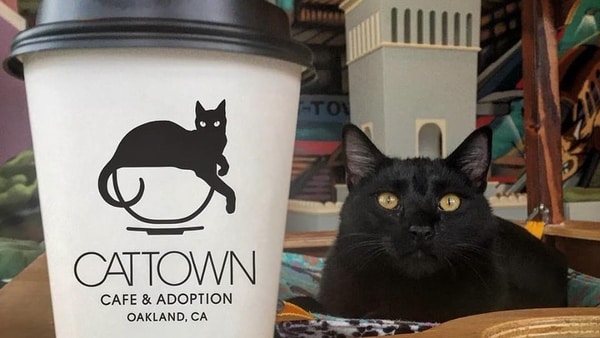
Originating in Japan, cat cafes are now beginning to make their way to the United States and gain in popularity. For those unfamiliar with the concept, a cat cafe offers the opportunity to grab a beverage and a snack while playing with frisky and friendly felines. Some cafes double as adoption centers or as non-profits to raise money for animal related charities. Whenever you mix live animals and food service, the looming issue becomes what Minnesota food safety certifications are required and how do you serve food safely in a restaurant full of cats.
Cat Cafe and Minnesota Food Safety Certifications
Photo credit: Headlines for the Hopeful via Vimeo

Food Safety Regulations for Cat Cafes

No cat cafe currently operates in Minnesota, but local entrepreneurs plan to open one in Minneapolis by the end of the year, and if it’s a success more are sure to follow.

Cats have a mind of their own, and they don’t care what food safety regulations say, they’re going to do whatever they want and go wherever they wish. A few ideas come to mind to help prevent animals from contaminating food in these establishments.

  • Separate food preparation from animals
  • Provide one area designated for eating and one for interacting with kittens
  • Serve prepackaged items and beverages that do not require on-site preparation
  • Have hand-washing sinks or sanitizer stations readily available for guests

When we talk about separating food preparation areas from animals, we mean that there should be no chance that a cat could have access to prep stations or food. This problem could be solved by having one area for food, and a completely separated space for interaction with cute, fuzzy creatures.

Another solution can simply be to serve bagged items such as chips and snacks as well as beverages in cans, bottles or cups enclosed with lids. This greatly reduces the risk of cat dander or other pet related contaminates from mixing with food.

With this craze in its infancy in the U.S., only time will tell what health risks these attractions pose and what food safety certifications and regulations will have to be followed. How do you feel about the idea of a cat cafe?


Food Safety Certification and Catering Weddings

Food Saftey Certification Guide to Outdoor Weddings

For many caterers, business picks up when summer and wedding season arrives. One of the challenges of a wedding is that many of these events happen off-site and in unfamiliar locations. Some occur in rental halls with limited or no kitchen space and many take place in every caterer’s biggest challenge, the great outdoors. These types of events stretch catering supervisors memory of food safety certification training and require extra careful preparation.

Food Safety Certification Guide to Outdoor Weddings
Copyright: stockbroker / 123RF Stock Photo

Food Safety Certification Guide to Outdoor Weddings

Knowing your off-site venue helps you prepare for efficient and safe food service. Multiple reconnaissance trips give you insight into your challenges and help you plan accordingly. Whether transporting menu items of monitoring buffet line, you must remember certain rules to prevent food-borne illness from ruining the couple’s big day.

    • Food must be handled hands free
    • Ample utensils must be available if no dishwashing station is present
    • Keep hot foods hot and cold foods cold

Any staff members preparing food must follow hand-free regulations. Having food-service gloves or serving utensils present offers a readily available solution. If there are no restroom facilities, a mobile hand washing station may be required.

Keeping hot and cold foods out of the danger zone reduces the risk of spreading contaminates. Chafing dishes or a portable warmer to keep food hot is essential, and frequently replenishing the ice keeping cold food displays below 40 degrees goes a long way towards giving guests an enjoyable experience rather resulting in memories of the sickness of the day after. If there is a passed appetizer reception, food can only be served for any hour before being replaced with fresh items.

When catering an outdoor wedding or any event, notifying guests to potential allergens such as dairy, nuts and shellfish is important. Having a menu placard in front of each dish that contains allergens alerts those who cannot consume these items to their presence.

If you’re a caterer, do you have any tips for preventing the spread of illness at large outdoor gatherings such as weddings? If so, feel free to share.

MN Food Manager Certification Training and Menus

MN Food Manager Certification Training and Menus

Whether written in chalk on a sandwich board or displayed in elegant fonts in a leather bound folder, menus exist in nearly every restaurant around the world. They also play an important role in food safety and preventing the spread of food-borne illness. In a recent food manager certification training session we engaged in a discussion about what style of menu best promotes food safety, and this week we’d like to share our findings.

MN Food Manager Certification Training and Menus
Copyright: ammentorp / 123RF Stock Photo

Food Manager Certification Training for Keeping Menus Safe

If a restaurant places menus on the table, guests inevitably pick it up. Sometimes food spills on menus and used eating utensils come into contact with the surface. Each of these things potentially transfer bacteria onto these menus that can cause food-borne illness. Different types pose different levels of risk, and some of the menu solutions we’ve looked at include:

  • Paper
  • Laminated
  • Overhead signs
  • Digital

Some food managers use disposable paper menus to prevent one guest from spreading an illness to the next. This is effective only if the menus are disposed of after each diner uses them. Paper menus come with the added cost of the regular purchase of paper goods and the time it takes to print them before, after and even during service if supply runs low.

Laminated menus last longer than paper menus, but an increased risk of spreading bacteria comes if cleaning is infrequent. We’ve visited restaurants where laminated menus feel slick and greasy and may not have been sanitized. Laminated menus beat paper as far as cost effectiveness goes, but sanitation should occur between guests.

From a food manager certification training perspective, an overhead sign poses no real food safety threat to guests. This or a sandwich board offers a good solution for establishments that take orders at a counter rather than provide table-side service.

Many restaurants experiment with the use of digital menus. These range from a tablet left by a server or a touch screen permanently resting on the table. Using a device as a menu may raise operating costs, but they give your customers a unique experience as games and videos give them extra entertainment while waiting for food to arrive. It helps speed up service during busy times as guests can place an order without a server’s assistance. The screens of these need cleaning often as guests will frequently touch them.

Do you consider the spread of food-borne illness when deciding what type of menu to use in your facility?