Latest Recall Creates Unexpected Problems For ServSafe Food Managers

Recall creates unexpected problems for ServSafe food managers

In a major nationwide notice, the J.M. Smucker Corporation has recalled large batches of Jif peanut butter due to concerns over possible salmonella contamination. Due to the long shelf life of peanut butter and the numerous types of packaging being recalled, ServSafe food managers should take action now to prevent foodborne illness risks in the long run.

How ServSafe Food Manager Should Approach Recall Problems

Latest Recall Creates Unexpected Problems For ServSafe Food Managers

Many restaurants and other food outlets that use peanut butter sparingly enough that may simply purchase it in small quantities from grocery stores rather than large buckets from food service suppliers. ServSafe food managers that stock Jif peanut butter should take a close look at the recalled product ID numbers to ensure they do not have any potentially contaminated product on hand. If you do find recalled jars of peanut butter in storage, dispose of both opened and unopened containers.

Beyond jars of different sizes, this recall also affects smaller packages and grab-and-go style cups of Jif peanut butter. Cafeterias, hospitality businesses and other places that offer pre-packaged single-serving peanut butter cups need to investigate to see if these products have been recalled. These single-serving cups are not only available by themselves, but are also packaged in lunch kits and other grab-and-go snack packages.

Finally, you may want to consider disposing of product made with Jif peanut butter that was purchased during the dates contaminated peanut butter was shipped. It may sound like a drastic move, but if it saves your guests from salmonella poisoning risks, it may just be worth it.

Have you checked the FDA recall list lately?

Food Safety and the Sizable Dangers of Raw Dairy Products

Food Safety and the Sizable Dangers of Raw Dairy Products

Over the past few years, states such as Iowa, Georgia, Missouri and others have begun crafting legislation to expand the commercial sale of raw milk and raw dairy products. While Minnesota currently only allows the sale of unpasteurized milk to customers who bring their own containers directly to farmers, it’s worth discussing the food safety hazards of using raw dairy products in food preparation should our state consider expanding the availability of raw milk as several other states have done based on consumer demand.

Food Safety and the Sizable Dangers of Raw Dairy Products
Image credit: pxhere photo-1622031

Raw Dairy Products and Food Safety

To be absolutely clear, any milk served in restaurants or used in meal preparation must be pasteurized and obtained from a trusted source. Raw dairy products straight from the farmer do not meet these food safety criteria. The health department does not allow for a variance on raw milk even with a critical control point plan.

Proponents of raw dairy claim that the probiotics and other naturally occurring antimicrobial elements allow for the safe consumption of fresh, raw milk. While raw milk may contain these compounds, it also brings high-risk hazards that cause food safety management issues. Raw milk can contain:

  • Bacteria
  • Salmonella
  • E.coli
  • Listeria

This is just a partial list of pathogens that have been found in unpasteurized milk. Outbreaks from raw milk have caused intestinal illness, miscarriages and even death.

Once processed into cheese, yogurt or other raw dairy product, the danger of foodborne illness is still a threat, so the best course is to avoid unpasteurized milk products altogether.

Have you ever considered the hazards of raw dairy products?
Proven Food Safety Manager Training For Your Delivery Service

food safety Manager Training for Your Delivery service

Over the past two years, many restaurant patrons have changed the way they order their meals giving food safety managers the challenge of adapting to foodservice beyond in-person dining. With COVID-19 numbers fluctuating and regional regulations impacting food service, many patrons have taken to delivery services to order from their favorite eating establishment. Delivery provides a whole new set of food safety hazards that don’t exist within the confines of a dining room, so it’s important for every food safety manager to look at how to keep your food safe during the delivery service process.

Proven Food Safety Manager Training For Your Delivery Service
Image credit: belchonock via 123rf

How Food Safety Managers Can Keep Food Safe During Delivery Service

There are very limited regulations in the MN food code regarding what happens to food after it leaves your restaurant for delivery, so food safety managers have to use common sense to create their own procedures to keep food safe during the delivery process.

If you don’t have your own delivery drivers, your restaurant may rely on Postmates, GrubHub and Uber Eats for delivery service. Unfortunately, since these drivers are not members of your staff you’ll have no control over what happens to your meal once the driver leaves your establishment. The good news is, the drivers of these outside services are professionals, and many will take precautions to keep food warm and reduce contamination risks, but you can still take precautions to help keep food safe. When preparing food for delivery, make sure you:

  • Keep food hot until pick up
  • Prepare food as close to pick up time as possible
  • Use appropriate to go containers to prevent spillage

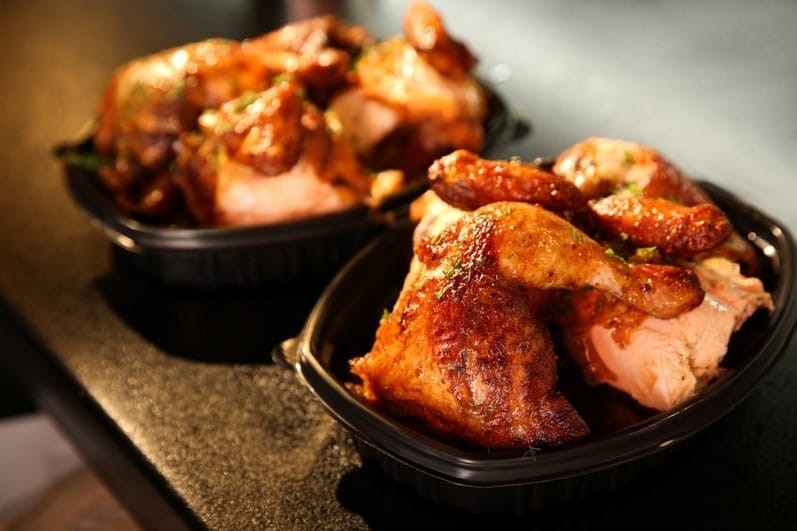
Rather than leaving to-go and delivery orders at the bar or hostess stand, we recommend you keep it in a warmer or under a heat lamp until it’s ready to leave the building. This will reduce the amount of time your food is a risk of falling into danger zone temperatures. It’s also a good idea to have the food prepared as close to the pickup deadline as possible and stored in sealed containers that won’t spill during transport. We all love a warm bowl of soup as a side dish with sandwiches or burgers, but we’ve yet to see a creamy chicken noodle club sandwich at any of our favorite restaurants, so make sure containers are sealed before leaving the restaurant.

Establishments that do employ a delivery driver can have much more control over the safety of your product during delivery. Make sure to stock up on insulated delivery bags in order to ensure freshness upon delivery.

What steps does your food safety manager take to keep your food safe during deliveries?

Free Look At Food Safety Training For Salad Bars

Free Look At Food Safety Training For Salad Bars

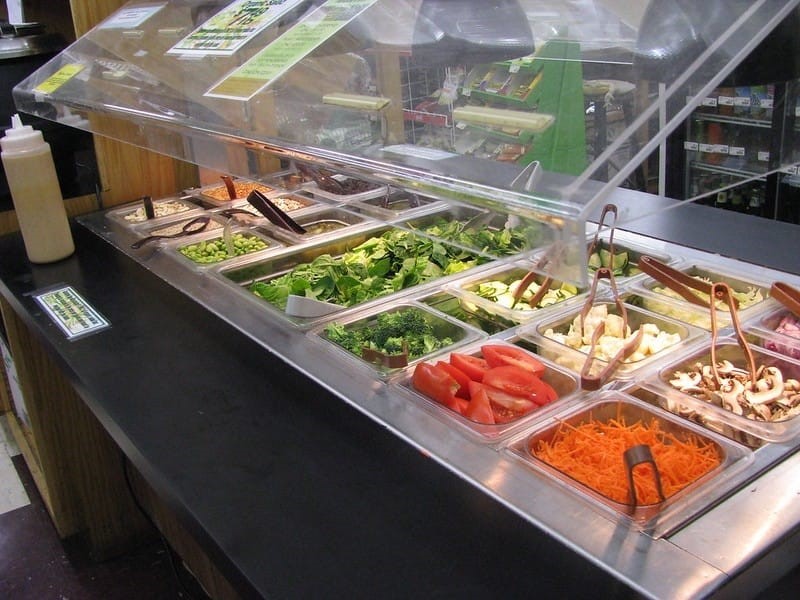
Salad bars are popular options for guests who enjoy customizing their salads or like to peruse options before choosing their ingredients. Whether in a restaurant, school, hospital or other location that offers a salad bar service, certain food safety training measures must be taken in order to keep the fresh ingredients safe to eat. Let’s take a look at a few basic food safety training steps you should take if you operate a facility with a fresh salad bar.

Free Look At Food Safety Training For Salad Bars
Image credit: NatalieMaynor via flickr

Food Safety Training Tips to Salad Bars Free from Foodborne Illness Risks

When considering a salad bar, the first thing you must examine is the equipment that will be used when in operation. Salad bars should be contained within a refrigerated unit, or a stainless steel bin capable of holding enough ice to keep ingredients cold. These bins or countertop inserts should have adequate drainage for ice melt and be certified by appropriate restaurant equipment standards. Make sure your product is completely contained and submerged deep enough in the ice to keep food below ice level and that no product is directly stored in the ice bins themselves.

Once you have the proper equipment, steps must be taken to keep food cold. Whether you have a refrigerated unit or product stored in ice, frequent temperature checks should be made to ensure that all ingredients are stored at less than 41 degrees.

Finally, make sure that all product is properly rotated so that old product and new product are kept separated. Even if it’s one sad, lonely hunk of feta cheese left behind with new product, contamination could spread. Every time a container is emptied or refreshed, we strongly recommend exchanging it for a clean one.

Do you have any tips on how to keep salad bars fresh?