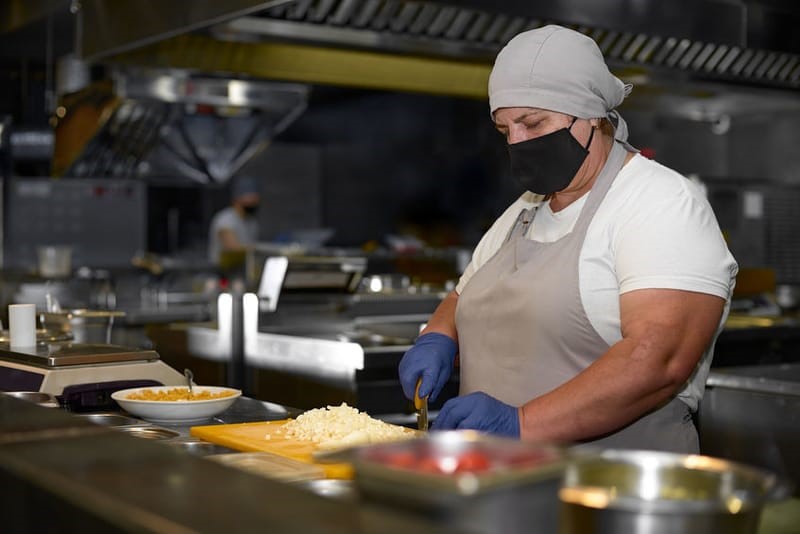
Valuable Guide To Equipment Certification For Food Safety Managers

Food Safety Manager Guide To Renovations And Equipment Certification

Many restaurateurs have been putting off kitchen renovations while waiting for business to pick up, and now that the economy is moving again and food safety managers have access to government backed loans that can be used for improvements, industrial kitchen renovations are on the rise. Food business owners cannot simply install any piece of equipment they want when upgrading their facility, so what exactly does the Minnesota food code require when it comes to equipment certification? We’ve created this guide to equipment certification for food safety managers

Valuable Guide To Equipment Certification For Food Safety Managers
Image credit: Michal Jarmoluk via Pixabay

Equipment Certification Rules and Food Safety Managers

If you’re shopping for new industrial restaurant equipment, be aware that most mechanical, storage, refrigeration and cooking equipment must be certified by an American National Standards Institute (ANSI) accredited certification program. The most common ANSI certification programs include:

  • NSF International (NSF)
  • Intertek (ETL Sanitation)
  • Underwriters Laboratory (UL)
  • Baking Industry Sanitation Standard Committee (BISSC)

While these aren’t the only ANSI accredited programs, chances are if you’re purchasing your hardware from a major distributor, food safety managers should easily find an equipment certification sticker backed by one of these standards. If you’re unsure, the paperwork included in your purchase should document whether or not your equipment has been approved by one of these standards.

Most large industrial equipment will generally require certification. Items that must be certified for use include:

  • Mechanical warewashing equipment
  • Mechanical meat tenderizers, slicers and grinders
  • Walk-in freezers and refrigerators
  • Cooking equipment
  • Food preparation surfaces and warewashing sinks

There are a few exceptions to certification standards. Food safety managers don’t need to be concerned about certifications for toasters, microwaves and other small appliances. Special event food stands also receive an exemption from certification regulations.

When in doubt about equipment certification, food safety managers should remember your equipment must be designed for commercial use. With the exception of toasters, microwaves and chest freezers, kitchen equipment designed for home use will not have passed certification standards for use in an industrial kitchen.

Do you have any plans on upgrading your kitchen equipment?

Certified Food Protection Manager And Awesome Summer Ideas For Mollusks

Certified Food Protection Manager And Awesome Summer Ideas For Mollusks

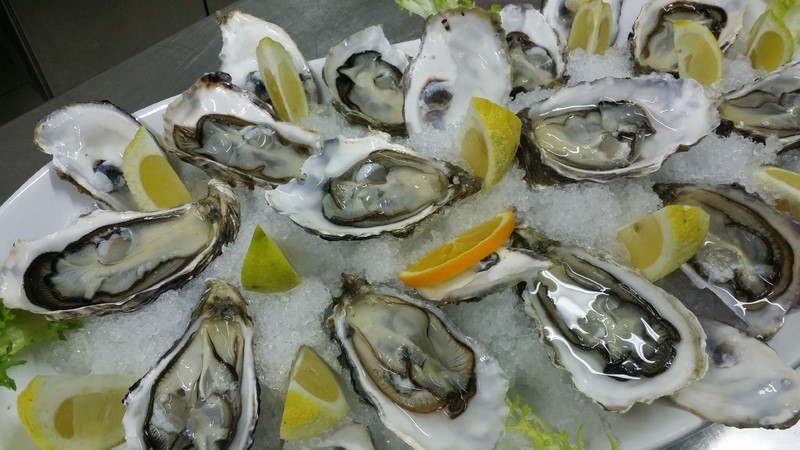
We’ve all heard the advice: Only eat oysters in months ending in “r.” When the temperature of the waters of the Pacific Northwest, Atlantic Coast and the Gulf of Mexico rise, so does the risk of spreading a foodborne illness from a pathogen known as vibriosis. Vibriosis poisoning can cause vomiting, diarrhea and other stomach ailments in most cases. Many times the illness is labeled as minor, if you call spending extra time in the restroom minor, but certain people may be more susceptible to vibriosis and the effects of consuming contaminated oysters, mussels and clams could be deadly. Does this mean that certified food protection managers should pull all mollusks off of their menus as the weather turns warmer?
Certified Food Protection Manager And Summer Ideas For Mollusks
Image credit: pxhere.com

Can Certified Food Protection Managers Serve Oysters in the Summer?

The most common vehicle for vibriosis poisoning is oysters, but mussels and clams can also be culprits, although rarely. Why is that?

Quite simply, mussels and clams are almost always cooked while oysters are commonly served raw on the half shell or in oyster shots. The method of preparation is no coincidence. The pathogen that causes a vibrio infection can be killed by heat, meaning that cooking shellfish completely greatly reduces the risk of exposure.

While we don’t recommend serving raw or undercooked oysters in warmer months, that doesn’t mean this sought after shellfish must vacate menus completely. Oysters can be grilled, sautéed or cooked on the half shell. If you have a clientele that will demand oysters all year long, a talented certified food manager can devise ways to keep molluscan shellfish on the menu without serving them raw.

If you serve mollusks any time of the year, make sure you discuss the water conditions with your suppliers every time you order. Some shellfish farms may experience shortages due to incredibly hot water conditions, pollution or other contaminates in the water. Also keep a close eye on the FDA’s recalls, advisories and outbreaks list.

Finally, certified food protection managers should check the source label that should come with every shipment of molluscan shellfish. If this tag or label is missing, you must not accept delivery. Keep this tag or label for at least 90 days after they were sold or served.

Note: Shellfish cooked before shipment are exempt.

Do you keep mollusks on your menu all year long?
Important Food Safety Training for Off-Site Catering

Important Food Safety Training for Off-Site Catering

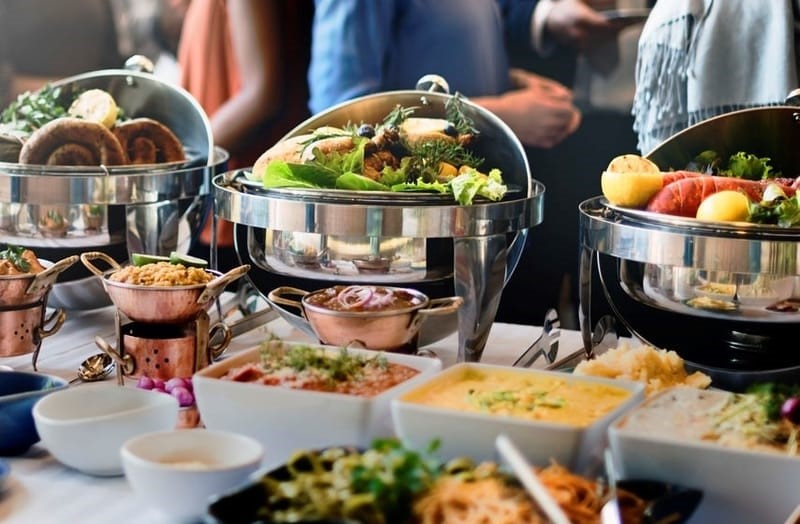
The food and beverage industry has suffered greatly over the past year, but the catering industry has taken a substantial hit due to the limits on social gatherings. Now that the StaySafe MN guidance is beginning to allow more participants at social events, the demand for catering services is beginning to increase. With the pressure to maintain COVID-19 prevention protocols and adhere to food safety training in order to keep guests safe at catered events, it may be useful to take a look at the safe way to cater an off-site event.

Important Food Safety Training for Off-Site Catering
Image credit: rawpixel via 123rf

Food Safety Training for Remote Catering Events

Coronavirus occupancy rules cause the biggest confusion for caterers providing services away from their kitchen. The proprietor of the venue should be accountable for capacity limits, but your catering staff must also be included in the numbers in order to remain in compliance. At the time of writing, there are two capacity standards; indoor and outdoor. Up to 50 attendees can occupy an outdoor event, while indoor events are limited to 15. This means that you may be required to limit the staff on hand in order for the venue to meet these numbers. When planning a catering event, make sure that you consult current StaySafeMN guidelines and coordinate with the venue to ensure you can adequately schedule your staff.

Besides COVID protocols, caterers must follow proper catering food safety guidelines. Many of these guidelines line up with what you’ve learned during food safety training. All food at catered events must:

Time and temperature control go a long way to preventing a foodborne illness outbreak, so make sure that you check your equipment to make sure it is capable of keeping hot foods hot and cold foods cold. Also, take the time to check the internal temperature of all cooked foods to verify they’ve been cooked properly.

There may be times when an off-site catering client suggests they will supply the food product for the event as a cost-saving measure. Unfortunately, you may not be able to verify whether or not they are purchasing ingredients from an approved source. We suggest working with catering clients to purchase all ingredients from your normal suppliers.

Do you have a catering business that’s finally starting to see more clients? Have you taken time to refresh your staff food safety training for off-site catering?

Suggestions Food Safety Managers Can Use To Make Takeouts Greener

Suggestions food safety managers can use to make takeouts Greener

Takeout and delivery services have become very popular over the course of the past year, and with this increased demand, comes an increase in the amount of takeout-related materials on hand in every restaurant. With so many elements involved in takeout orders, food safety managers should take a few steps to reduce the amount of waste involved when packing takeouts and delivery orders.

Suggestions Food Safety Managers Can Use To Make Takeouts Greener
Image credit: kantver via 123rf

Waste Reduction Hints for Food Safety ManagersTo Improve Takeouts and Delivery

When you consider all the elements that go into to-go orders, there is a great potential for waste. Clamshell containers, individually packaged utensils, sauce packets and lids all have the potential to be wasted. Many customers prefer to use their own silverware at home, may have no need for the tiny packet of ketchup or simply toss excess containers in the trash. Sending these items with every takeout order eats into your food safety manager’s bottom line, creates waste and may have a negative impact on the environment.

In order to reduce waste, you may wish to ask customers who place a takeout order if they require silverware, sauces or other optional items. You may find that more of your customers are concerned about waste than you think.

Takeout and delivery don’t just create more waste, many to-go containers, utensils and sauce packets are cmposed of plastics that are harmful to the environment. Here are a few things food safety managers should consider when planning takeout service:

  • Stock biodegradable containers
  • Use small recyclable containers rather than prepackaged sauces
  • Consider compostable straws and utensils over plastic
  • Utilize reusable bags

Current innovations in recyclable and biodegradable restaurant supplies have made it possible to reduce your environmental impact without sacrificing the quality of your service. While paper-based takeout containers may not last forever, they’ll retain their integrity long enough for guests to enjoy their meals. The same goes for paper straws and biodegradable utensils. By making a few small changes food safety managers can go a long way in reducing waste and being environmentally focused with your delivery and takeout supplies.

Have you looked into how you can be more environmentally conscious with the way you provide delivery services?