How a MN CFM Can Store More Inventory—Safely and Easily

Minnesota certified food manager ( MS CFM)-1
Minnesota certified food manager (CFM)

As summer heats up, so do the demands on every Minnesota certified food manager ( MN CFM). This season, mastering safe food storage is the key to managing the summer rush successfully. As inventory demands rise, safe storage practices become more critical than ever. At Safe Food Training, we understand these complexities. Our courses provide comprehensive training to handle seasonal surges, emergency response, and program expansion. We’re here to help you succeed.

Our training outlines best practices for maintaining food safety, complying with regulations, and protecting your valuable stock from spoilage or contamination.

Why Safe Storage Matters

More inventory means greater responsibility. Improper storage can lead to foodborne illness, financial loss, and operational chaos. In our courses, we emphasize the essentials: temperature control, pest prevention, proper rotation (FIFO: First In, First Out), and clear labeling. These aren’t just suggestions; they are vital to the success and credibility of your food program.

Advanced Protocols for the Minnesota Certified Food Manager (MN CFM)

Beyond the basics, managing a surge in inventory requires heightened vigilance. Our expert-led training covers critical topics like:

  • Preventing Cross-Contamination: Learn how to properly store raw meats, poultry, and seafood below ready-to-eat foods to avoid cross-contamination. We teach best practices for using separate, color-coded cutting boards and utensils for different types of food.
  • Allergen Management: With the increasing availability of products, the risk of allergen cross-contact also rises. We’ll show you how to designate specific storage areas and use sealed, clearly labeled containers. Meticulous labeling isn’t just a good idea—it’s a crucial step in protecting your patrons.
  • Robust Documentation: Consistent record-keeping is your best defense during a health inspection. We train you to maintain detailed logs for temperatures, pest control, and cleaning schedules, demonstrating your commitment to safety.

    Core Principles We Teach:

  • Evaluate your space: Can your storage areas handle more inventory without blocking airflow or access?
  • Invest in equipment: Small upgrades, such as pallet racks, extra thermometers, and sealed containers, can make a huge difference.
  • Train your team: Regular training on food handling is a must, especially when inventory volumes are high.
  • Monitor regularly: Schedule times to check temperature logs, inspect for pests, and rotate stock to prevent waste.

    Training Designed for You

Whether you operate a food shelf, a school, or a restaurant, our courses are designed to meet the specific needs of a Minnesota Certified Food Manager (MN CFM). They include practical instruction, expert advice, and valuable resources to help you excel.

Ready to master the summer rush with confidence?

Protect your patrons and your reputation. Enroll in a Safe Food Training course today and get the skills you need for a safe and successful season!


Food Manager Certification Focus On Surging Energy Costs

Food Manager Certification MN Training On Saving Energy

During many of our food manager certification MN training sessions, we often get to participate in conversations involving important issues affecting the food industry. Recently, we engaged with several experienced professionals who were discussing their strategies. They focused on reducing utility costs, especially during the summer months when energy rates tend to be higher than the rest of the year.

Food Manager Certification MN Training On Saving Energy

Food Manager Certification: Controlling Energy Costs


In our conversations with food-service managers, we have discovered that there are three major elements in your kitchen. These elements should be monitored to keep your utility costs under control.

  • Water waste
  • Refrigeration systems
  • Ovens and large kitchen appliances

One major factor in minimizing water usage is preparation. A common source of water waste is thawing frozen food products. While it is perfectly acceptable to thaw frozen product under running water, the water coming out of the tap costs money. We suggest that you take the time to plan ahead. Defrost your frozen fish, meats, and other foods in the refrigerator. It may take longer, but it will reduce your water bill each month.

Another source of wasted energy comes from malfunctioning, dirty, or unmaintained refrigeration units. Ensure that your refrigerator door seals are in good repair, clean, and form a tight seal when shut. Another way to increase your refrigerator’s efficiency is to make sure all fans on the compressor are cleaned regularly. Also, ensure that the compressor hoses are all attached tightly and that the motor is functioning properly. Be on the lookout for any unexplained temperature changes in your refrigerators or freezers. This could be a sign of a problem that will cause your units to use more power to keep your food cold.

What’s Your Biggest Challenge In Controlling Your Energy Costs

Finally, your ovens, deep fryers, gas burners, and flattop cooking surfaces are huge contributors to your natural gas and electricity costs. If you take the time to inspect which appliances are turned on during your daily operations, you may find something interesting. You might discover multiple ovens that are never in use during certain times of the day. Also, your deep fryers may be running during times when they do not need to be used. Taking the time to assess your procedures to ensure that you are not wasting energy by leaving too many power-draining appliances on will go a long way. These efforts will help you lower your monthly utility bills.

These are just three examples of how we feel that you can reduce energy waste at your establishment. We have heard many more suggestions during our food manager certification sessions. However, we would like to know what you have found to be your biggest challenge in controlling your energy costs. Leave your comments below.

Certified Food Managers Focus On The Zero-Waste Challenge

Certified Food Managers Focus On The Zero-Waste Favorability pyramid

Zero-waste has been thrown about frequently over the past decade; Minneapolis has its 2040 Plan. As Certified Food Managers can tell you, there are many challenges to achieving zero waste in any facility. Biodegradable takeout containers tend to be more expensive than plastic or Styrofoam. Food waste recycling can also raise utility costs, and some essential supplies may not have eco-friendly options. In some instances, practical solutions to eliminate waste may be lacking. This week, we want to examine solutions and dilemmas when attempting to become a waste-free food production facility.

Certified Food Managers Focus On The Zero-Waste Favorability pyramid
Central principles of waste management – Image credit: en.wikipedia.org

Zero-waste and Certified Food Managers

Discussions with Certified Food Managers reveal key factors for minimizing waste and environmental impact.

  • Cost
  • Feasibility
  • Incentives

When discussing a zero-waste facility with certified food managers, they may ask, “How much will it cost?” Consider shopping around if you want to reduce waste with biodegradable or recyclable takeout containers. Your current supplier might not offer good-quality, eco-friendly options. Still, with the shift away from plastic and Styrofoam, you should find a supplier that supports your zero-waste efforts.

Another complaint that we hear is that food recycling is not feasible due to space restrictions. Investing in a trash compactor can greatly reduce the amount of space you will need for your trash, recycling, and food waste.

Government Incentives

Finally, we hear many business owners asking if there is anything in it for them if they go through the hassle of becoming a zero-waste outlet. Regarding incentives, we urge you to contact your local city and county offices or the company that provides your garbage and recycling pickup to see if there are any incentives for implementing waste-recycling programs at your facility. Incentives may vary from jurisdiction to jurisdiction, but by making a few phone calls, you may discover that forming a zero-waste action plan may work out to your benefit.

This article about biogas production in Western states provides an example of what some zero-waste communities do with their leftover food.

At Safe Food Training, we like to hear the community’s thoughts on the industry’s current trends. Do you think zero-waste food production is possible, or are some agencies setting their sights on an unattainable goal?

Certified Food Manager Advice: How To Prevent Hazardous Slip Injuries

MN Certified Food Manager Preventing Injuries

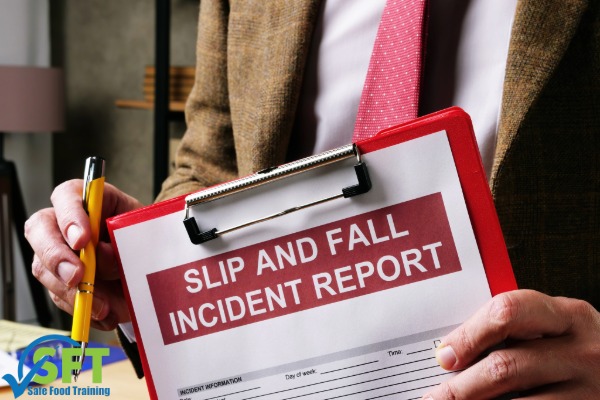
Not only is it essential to keep the food you supply to your customers safe, but it’s also vital to ensure that your staff has a safe environment to work in. Slip-and-fall injuries are one of the most common reasons food service workers miss time, so we’d like to discuss how a certified food manager can prevent these painful slip injuries.

MN Certified Food Manager Preventing Injuries

The Certified Food Manager’s Role in Preventing Slip Injuries

The manager must make it abundantly clear to the staff that their safety is a priority. Staff and certified food managers must work together to effectively prevent injuries from slips and falls. Providing the necessary tools and comprehensive training is a non-negotiable priority to ensure everyone can perform their duties safely.

One common factor in many slip-and-fall injuries is the use of the wrong kind of shoes. Food service workers should wear non-slip shoes specifically designed for the food industry. Many non-slip shoes are available, but we recommend that your staff wear shoes explicitly designed to give the wearer good traction on wet and greasy surfaces.

Just wearing good, non-slip shoes does not entirely prevent a slip accident. A kitchen supervisor must create an environment where these events are rare. A good start is to provide a perforated rubber surface for employees to stand on. These floor mats are readily available through most food service industry providers. We feel that these mats must be perforated in some way to allow grease to slip through to the floor beneath in the event of a spill. This will prevent liquids from pooling on the floor mats, creating a slipping hazard.

Clean Mats For Safety

Another critical step certified food managers must take to reduce slip injuries is to clean the mats and floors beneath daily. Grease and liquids can accumulate on your floor mats, making them nearly as slippery as the hard flooring underneath. Clean the kitchen floors daily with a degreasing agent to prevent mats from slipping. Before replacing the mats after cleaning the floor, we strongly recommend that the floors dry. Water and soap can take longer to dry if covered by your floor mats, increasing the likelihood that they will slide during everyday use.

Finally, clean every spill immediately. Don’t trust your floor mats to prevent a slip after spilling liquid. Being complacent could lead to a painful injury and lost work for one of your valued employees.