ServSafe Training and Wooden Plank Serving Utensils

ServSafe and Wooden Serving Utensils

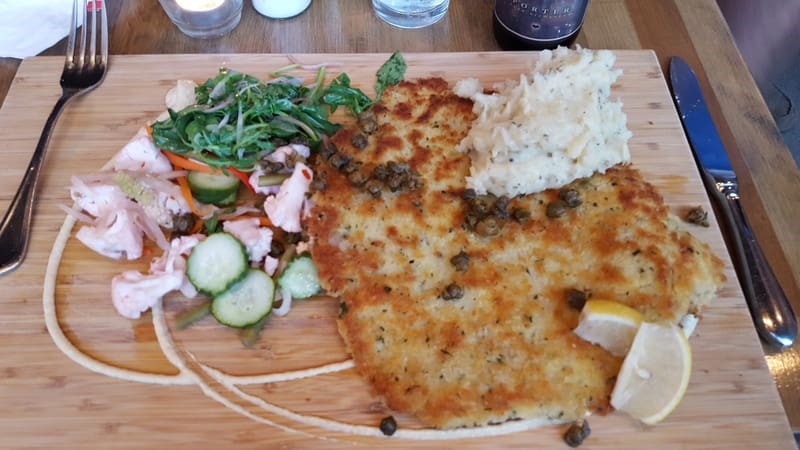
While dining out recently, we came across a restaurant which served us a delicious meal with a gorgeous presentation on a wooden plank rather than typical plateware. This got us thinking, about ServSafe training and wooden plank serving utensils. Do we need special steps to prevent food-borne illnesses from food served on wood planks and other alternative serving items?
ServSafe and Wooden Serving Utensils

ServSafe Training and Wooden Plank -Sanitation

ServSafe training tells us that all flatware must be sanitized between uses. Normally, this is done in a mechanical dishwashing machine or hand washed in a triple sink system. Can wooden serving boards be sanitized in the same way?

Wood is tricky to sanitize. Over time and repeated uses, small cuts from knives and other utensils form. Bacteria can hide and multiply in these cuts and dishwashing chemicals can seep in and potentially contaminate food. Extra care must be taken to ensure proper sanitation. We recommend using a triple sink and air drying method to clean wooden serving boards, and to do so immediately after use.

We’ve seen these large wooden boards featured on buffet lines as well. Many of these are crafted in a manner where a heat lamp is permanently attached. These are especially tricky to sanitize. Take care to wash and sanitize these by hand as soon as possible after every use.

A key to keeping food served on these boards is to make sure that you are using food-service-grade serving ware. These boards are harder and more resistant to wear and tear, and should be available from your local supplier. When investing in wooden serving materials, remember that these will not last forever and over time will need to be replaced.

What if you’re interested in wooden serving boards, but would rather not invest in costly materials that will need to be replaced on a regular basis? We’ve done some digging, and laminated wood boards and faux-wood plates look like a great alternative. Food-grade laminated wooden planks and fake wood can be easier to wash, many times in your standard dishwashing machine, and have a much longer life than expensive real wooden planks. While it is possible to spot the difference between real and fake wood, we see this as a safer and more cost effective investment into alternative serving ware.

Do you use wooden serving planks or any other type of serving ware other than standard plates in your restaurant?
How CFPMs Use Freezing to Slow Bacteria

CFPMs Use Freezing

In one of our Certified Food Protection Manager training classes during our recent record breaking cold snap, a student asked “whether CFPMs use freezing or refreezing foods to kill bacteria in meat products and ready-to-eat foods? If we store our product outside in the snow at negative 30 degrees, it should be too cold for bacteria to survive, right?”

CFPMs Use Freezing
Image credit: US Department of Agriculture (Flickr Photostream

Freezing product properly does in fact promote food safety and reduce the risk of food-borne illness, but simply freezing everything potentially increases the risk of food-borne illness and gives a false sense of security as to how safe the food we serve really is.

CFPMs Use Freezing for Food Safety

Before we get into our discussion, it’s important to answer the question, “Does freezing proteins kill bacteria?”

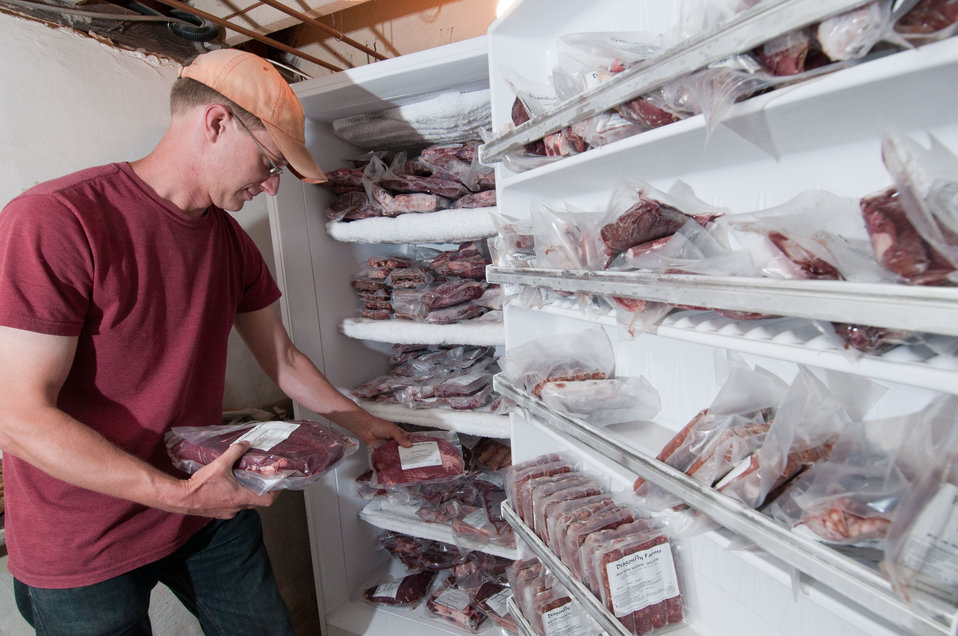
There’s a lot of misinformation out there concerning how germs and bacteria react to sub-zero temperatures, but we learn in online Certified Food Protection Manager training, freezing food does not kill bacteria. Freezing food stops the growth of germs and bacteria, so effective use of your freezer to store product that isn’t intended for immediate use keeps bacteria at bay while preserving food for later use. Cooking meats, ready-to-eat foods and other products to the proper temperatures is the only way to actually kill bacteria. Freezing solidly for at least a week will kill parasites but not bacteria.

So, when can CFPMs use freezing to safely store product?

If you don’t plan on using incoming product soon, freeze it as soon as possible. This will add life to your product, and prevent the slow growth of bacteria. Letting your meats sit under refrigeration for a few days and then deciding you’re not going to use it can pose a bacteria risk, depending on what type of product it is. Fish and seafood have a limited shelf life, so while freezing it will slow the growth of contaminates, it will still contain those harmful bacteria when thawed.

Cooked foods need to be cooled properly before freezing them. Cooked product must be chilled in an ice bath or in small portions. For example, a large, warm pot of soup cannot be simply put into a freezer in a large bucket. Bacteria will grow as the soup sits in the danger zone while freezing and wake up when the soup is eventually thawed. The same goes for cooked roasts and large amounts of meat.

Finally, a caution against freezing thawed product. Product thawed in the microwave or under running water cannot be re-frozen. Food properly thawed under refrigeration may be re-frozen if done so in a reasonable time frame, but we recommend against this as thawing and re-freezing can cause quality issues with your product.

Do you have a regulated method to control freezing and thawing of your product?

Food Safety Standards for Automated Restaurants

Food Safety Standards for Automated Restaurants

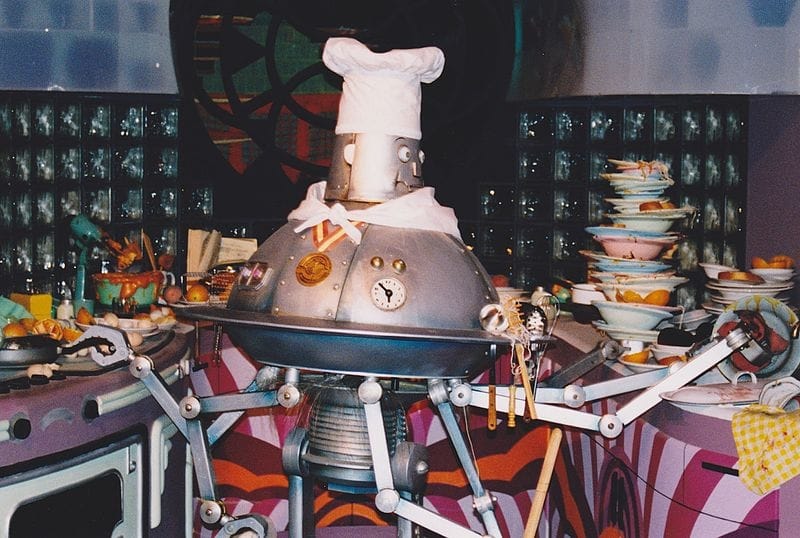
It may sound like we’re pulling this story out of an episode of the Jetson’s, but the future is here and automated mobile restaurants are starting becoming a reality. That got us to thinking, in the absence of employees and ServSafe food managers that have completed food safety courses, how exactly will we know if the food safety standards are being maintained in future automated restaurants?

Food Safety Standards  for Automated Restaurants
Image credit: Corneillia5 via Wikimedia

Food Safety Standards and the Future of Restaurant Automation

While current examples of automated restaurants appear to be types of juice and smoothie bars, it’s not too hard to fathom that technology will eventually provide opportunities for automation to serve more complicated dishes that require storing and cooking raw foods.

While the Minnesota food code doesn’t currently contain a section regarding robot chefs, we’d have to speculate that much more than the cooking process would have to be automated. Sanitation procedures would have to be closely followed, and we feel those procedures should at least be moderated and supervised by a living, breathing human being. Here are just some procedures we feel would have to be monitored by a ServSafe food manager:

  • Hot and Cold Holding Temperatures
  • Sanitation of Cooking Utensils
  • Temperatures of Finished Product
  • Quality of Raw Ingredients

As we all know, machinery can malfunction and even our computers freeze up from time to time. Without human observation, who’s to say that a robotic restaurant hasn’t had some sort of memory failure? If storage temperatures drop for hot-held foods or refrigeration fails, will an automated system have fail-proof safeguards for preventing customers from receiving tainted product?

Another major issue we see with automation is the quality of product. Not all products store for the same duration of time, and there can be product that may be spoiled or damaged that an organic chef can spot that robotic system won’t be programmed to assess.

While the Foodarackacycle may be several decades off, the foodservice industry and ServSafe food managers will have to adjust as automation becomes more and more prevalent.

How do you feel about the concept of maintaining food safety standards for automated restaurants without on-site human monitoring?

Update MN Food Code Effective Date for ServSafe Food Managers

new MN food code effectice date

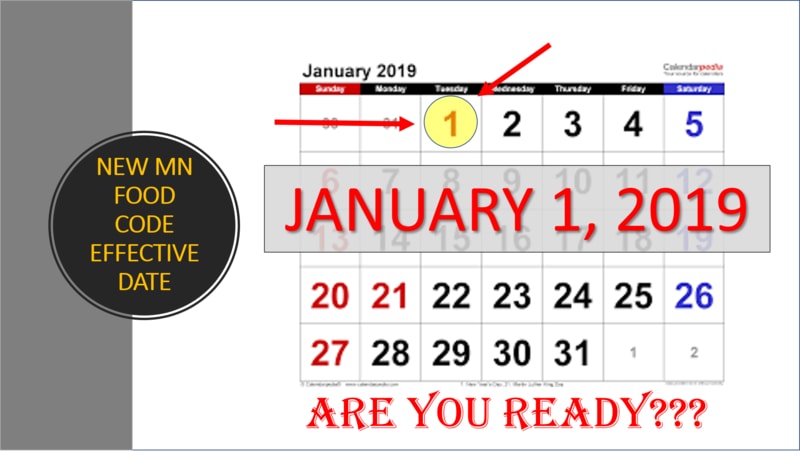
Over the past few months, we’ve previewed some of the coming changes to the MN Food Code, but up until recently, we have yet to have a firm date for when these changes will take effect. According to a September release of the Minnesota State Register, an official publication of the state of Minnesota’s Executive Branch, we finally have a date when the new food code amendments will be enacted.


new MN food code effectice date
MN Food Code Changes Effective Date January 1, 2019 Image credit: Calendarpedia.com

Effective January 1, 2019, the proposed amendments to the MN Food Code replace the code we have been using for many years. According to the introduction of the proposal, the reason for the changes in our 20-year old food code was to “continue a shift toward food sanitation and safety measures critical to preventing foodborne disease.”

There are several other justifications for updating the food code, including shifting away from the specific kinds of materials and equipment can used during production and re-emphasizing hygiene, sanitation and proper temperature control. In short, some of the changes to the code give ServSafe food managers more freedom in the equipment they use while at the same time giving them more responsibility for training, monitoring and correcting sanitation and food preparation methods.

What do these changes mean for Minnesota ServSafe food managers? First, many of the changes in the food code involve the language of the code itself. A few sections, such as the responsibilities of the food manager, have been reworded in a manner that eliminates some confusion. Some of these changes, such as equipment regulations, give you more freedom to run your business without being over restricted.

At Safe Food Training, we’ve been discussing some of the top changes to the code, and will continue to delve deeper in the coming months. Are there any issues you’d like us to look into?