African Swine Fever and Future Food Safety Concerns

Future Food Safety Concerns

We like to keep certified food protection managers informed on a wide range of issues concerning food safety, including future food safety concerns and potential threats government agencies are watching. This week, we’d like to take a close look at a situation in Asia that has the USDA on heightened alert for a situation that could have drastic impacts on our country’s pork supply.
Future Food Safety Concerns
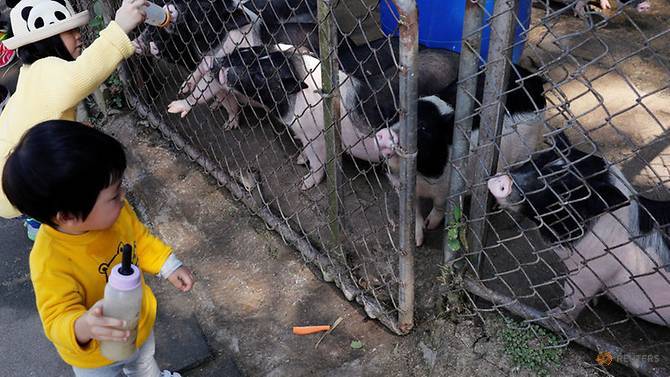
Image Credit: Channel NewsAsia

How African Swine Fever Impacts Future Food Safety Concerns in the US

A recent discovery and seizure of illegal Chinese pork products has prevented a potential risk of African swine fever from reaching our shores.

The good news is, that there are no recorded cases of African swine fever in the United States, but with cases spreading throughout Asia, the risk becomes greater with every outbreak that this disease will someday reach our shores.

It is unclear what dangers ASF presents to humans. It can however kill a pig within a day. This could be disastrous and cause many pork products to become scarce, expensive and pose a threat to food safety. The USDA is taking this potential threat so seriously that they are recommending international travelers avoid visiting petting zoos and farms with pigs during their travels.

Most food suppliers source pork from the U.S. and reliably inspected international sources, however, it may be a good idea to keep an eye on where your product comes from. Make sure that you use pork products that come from a source you trust that has passed USDA standards.

While this threat has yet to reach our shores, it’s worth keeping an eye on. Would you really want to live in a world without bacon?

CFPMs and In-House Grown Herbs

CFPMs and In-House Grown Herbs

Springtime is here, and with it the fresh aromas and flavors of the new season. Flowers are blooming, and fresh herbs become more readily available. That got us to thinking about CFPMs and In-House Grown Herbs, what’s to prevent them from adding some of that freshness to their menu by growing their own herb gardens in-house?

CFPMs and In-House Grown Herbs
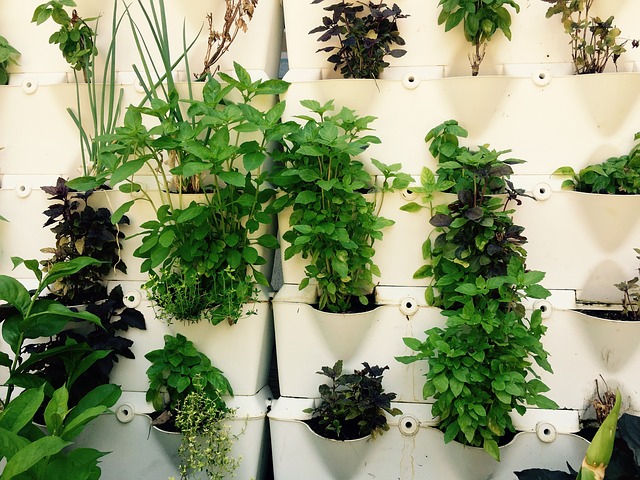
Image credit: Max Pixel

CFPMs and In-House Grown Herbs Use

It should first be noted, that growing herbs at your facility should only really be done on a small scale. Mass production may be outside of the realm of certified food protection managers’ abilities, but growing live plants can help cut down on costs and help you ensure that your ingredients are fresh. Here’s a few things to think about if you’re considering growing your own herbs:

  • Keep herb boxes and gardens away from the production floor
  • Avoid soil additives such as fertilizer, manure and pesticides
  • Always wash picked herbs before using

We’re in no way suggesting you plant a garden in the middle of your kitchen, so an herb garden may not be for every facility. When considering an in-house herb garden, look for locations outside and away from the kitchen. Some restaurants make this a feature for their guests to see, either in front of the restaurant or guest pathways leading to the facility. This implants the idea of fresh ingredients before they’ve even viewed your menu. For some, a garden may not be possible, but smaller box style planters around the facility allow you to grow commonly used ingredients.

Certified food protection managers need to be very aware of contaminates and unnatural pathogens when using freshly grown herbs. For this reason, we’d recommend using pure soil rather than adding any fertilizer or compost. Many gardening supply stores have special mixes that would help grow savory herbs without additives.

Some jurisdictions may have different rules about growing herbs or other produce onsite, so if you need help with local rules, don’t hesitate to contact your local health inspector.

Would you consider growing any type of ingredients at your restaurant or other food production facility, or do you prefer bringing it in from your suppliers?

How CFPMs Manage Questionable Product

CFPMs Manage Questionable Product

In your role as a certified food protection manager, have you ever had a staff member ask, “Does this smell ok to you?” or, “Do you know when this clam chowder was made?” and, “Can we still serve this?” This week, we’ll take a look at how CFPMs manage questionable product and to deal with situations that may increase the risk of sickening your customers.

CFPMs Manage Questionable Product
cooking, profession and people concept – male chef cook with clipboard doing inventory in restaurant kitchen

CFPMs Manage Questionable Product By Assessing Reasons for Spoiling or Low Quality Product

Situations where you or your staff is unsure of the quality, freshness or servability of product should be dealt with in a manner that protects your guests. If product doesn’t smell right, don’t serve it. If you are unsure about the date a product was made, or if it might no longer be good, don’t serve it. Taking a chance on sickening a guest because of questionable product is never worth the risk. So how do we deal with these situations and prevent them from happening?

If these instances are common in your facility, now is the time to take a look at how you deal with your inventory. There are a few questions that need to be asked:

  • Am I dating my product and inventory?
  • Am I making or ordering too much product?
  • Is my refrigerated storage arranged in an orderly manner?

Dating perishable product allows certified food protection managers and their staff know exactly when the ingredients arrived from a supplier or when finished product was made. Taking the time to date your product paints a bigger picture of how long your product sits in storage. If you’re finding that your product is being stored for extended periods of time, consider lowering par levels when you place an order or making smaller batches of your product.

Successful CFPMs manage questionable product with organization. If you’re refrigerator is a mess, then product can get lost, soak up flavors of food that is cooling nearby or risk cross contamination. Disorderly cold storage is a bacterial dream world and a certified food protection manager’s nightmare.

If you do date your product, monitor par levels and have an orderly walk-in refrigerator but are still running into scenarios where freshness comes into question, the certified food protection manager should set up a system to monitor the temperature of your refrigeration units to ensure that food is being kept cold.

Do you have a system to keep your product the freshest it can be?

Improving the International Food Safety Inspection Process

food safety inspection process

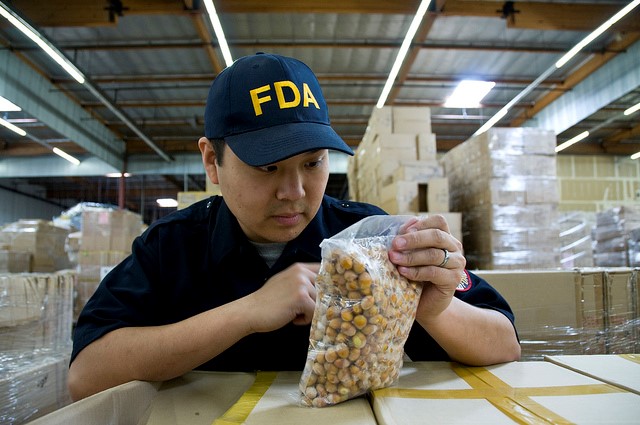
In a complex global supply chain, the task of keeping unsafe product from reaching customers and food producers in the United States is a daunting and seemingly impossible task. The FDA has recently released their new food safety inspection process strategy for keeping unsafe product from reaching our shores.

food safety inspection process
Image credit: FDA photo by Michael J. Ermarth

Global Strategy To Improve Food Safety Inspection Process For Imported Product

With a new strategy in mind, the FDA has outlined four goals for the future of foreign food inspection:

  • Coordinating with foreign food safety inspectors
  • Detecting and refusing tainted goods before entry into the U.S.
  • Develop targeted sampling and testing of high-risk product
  • Develop and improve a global inventory of farms and food producers

Coordinating with other countries comparable food safety inspection process will provide an extra layer of protection before food leaves the country or origin. These local inspectors will be able to do a more thorough inspection, and their knowledge of food producers goes a long way to preventing tainted product from leaving their country in the first place. The FDA currently works with food safety inspectors in Canada, New Zealand and Australia. Negotiations are underway with officials in the European Union.

The FDA’s plan to upgrade the screening process upon entry will do a better job of identifying product that could be contaminated. This process will involve new foreign supplier verification, accredited third party audits and several other updated and more efficient systems. Along with this process will be the collection of data to target suppliers of high-risk products such as soft cheeses and seafood.

The final step in the updated food safety inspection process will involve an inventory or database of overseas producers that ship their product to the United States. This will identify producers who have previously shipped tainted product, isolate high-risk farming regions and provide food safety inspectors with more information than they’ve had in the past.

We like to see our national food safety inspection process evaluated and updated to provide safer product. Do you feel this new FDA strategy will keep product imported from foreign countries safer?