Certified Food Protection Managers and Farmer’s Markets

Certified Food Protection Managers and Farmers Market

One of the great things about living in our state is the unbelievable bounty of fresh produce available in the summer and fall at local farmer’s markets. Local restauranteurs and certified food protection managers love to source ingredients locally and many feel that advertising fresh ingredients grown by members of the farming community draws customers in, but can food purchased at the farmer’s market be used in commercial kitchens?

Certified Food Protection Managers and Farmers Market

Certified Food Protection Managers Guide for Farmers Market Ingredients

Fresh product, especially produce, is the key to making any dish great, and it doesn’t get much fresher than buying from a local producer at a farmer’s market. There are no regulations prohibiting the use of ingredients purchased at the farmer’s market, but certified food protection manager training tells us that we should take precautions and be prudent to make sure they purchase their product from safe sources. Here’s a few tips to making sure you’re purchasing quality ingredients that won’t sicken your customers:

  • Inspect product for traces of quality and freshness
  • Be smart about your sources
  • Only purchase wild mushrooms from licensed vendors

Of course chefs and Minnesota certified food protection managers are going to take a close look at the product they purchase, but the same inspection process should happen even when only purchasing a few items at the market. Take a close look for excess dirt or other contaminants as well as signs that a pest has been nibbling on the product somewhere between the farm and market. Most pesticides will be invisible, but if you notice an overly waxy texture or odd sheen to produce, there’s a chance it has been treated with something to resist insects or make it look more attractive.

Secondly, purchase products from farms and vendors you trust. Depending on the circumstances, vendors may or may not be required to obtain a license to set up a booth, but a license does not necessarily mean that all proper food safety protocols have been followed. We suggest you buy from booths that represent farms you know and avoid unaffiliated produce vendors.

Finally, only purchase mushrooms from certified vendors. The Minnesota Food Code requires wild mushroom harvesters to be registered as a mushroom expert to prevent bad mushrooms from sickening or even possibly killing anyone who consumes them.

Do you take advantage of local Minnesota farmers markets to bring freshness to your menu?

ServSafe Allergen Labeling

ServSafe Allergen Labelling Icons

The FDA issues a large number of recalls each year for a multitude of reasons. Reasons for recall include product tainted with bacteria such as E.coli or salmonella or if foreign objects have made their way into the product before shipping. We pay close attention to recalls, and we’ve noticed a trend in recalled product for a third reason. Many manufacturers are failing to identify potential food allergens in their product and label packaging accordingly. This week, we’ll look at Minnesota and ServSafe allergen labeling procedures.

Allergens free icons vector set

ServSafe Guidelines for Allergen Label Warnings

Food allergies have become a growing concern among customers who purchase grab-and-go items from food producers. In order to prevent inadvertent consumption of common food allergens, the Minnesota Department of Health requires labels on pre-packaged foods produced for sale. These labels should contain the following information:

  • Identity or name of packaged item
  • Net quantity of product
  • Ingredient list, including major food allergens
  • Nutritional information

While there’s a lot to consider when labeling your product, we’d like to focus on the major food allergens. There are eight items outlined by the department of health as major food allergens. These eight food items are responsible for approximately 90 percent of all allergies. The labels on prepackaged foods must identify these ingredients:

  • Peanuts
  • Tree nuts
  • Crustacean shellfish
  • Fish
  • Milk and dairy products
  • Eggs
  • Soy

If your product contains any of these items, you must indicate that on the product’s label. We’d like to see food producers take it a step further and indicate on your label if you handle any of these items in your facility. Third-party contact can sicken those with extreme food allergen sensitivity.

We’d like to note that these rules apply more to producers of food for retail and restaurants that have prepacked foods available rather than customers who order takeout. However, you should use your best judgment and rely on this ServSafe allergen labeling training to identify the eight major food allergens on your menu if you don’t serve prepackaged foods. Marking common allergens on your menu can help those afflicted by allergies steer clear of items that may initiate an attack.

Do you identify and inform your customers of allergens in prepackaged food at your establishment?

Certified Food Protection Managers and Meatless Burgers

Certified Food Protection Managers and Meatless Burgers

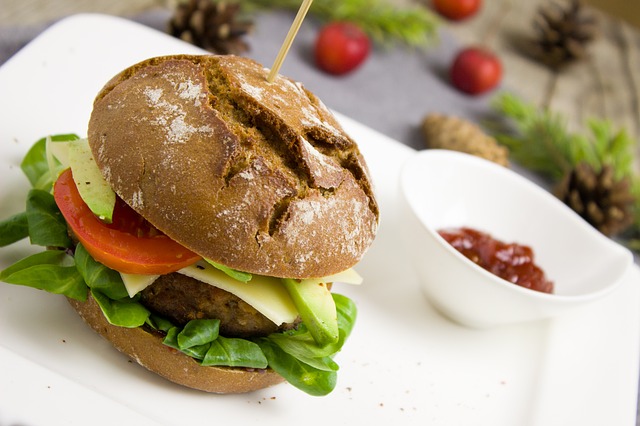
At Safe Food Training, we like to visit local restaurants and observe current menu trends, and we’ve noticed that more and more establishments are serving meat alternative burgers that are crafted to have a similar taste and texture to that of real beef. Seeing these products trend on menus and in the news got us to thinking, are there any food safety concerns for the certified food protection manager serving meatless burgers?

Certified Food Protection Managers and Meatless Burgers
Image credit: Max Pixel

Meatless Burgers and Certified Food Protection Managers

Vegetarian burger substitutes have existed for ages, but none have come close to simulating beef until now. Two brands in particular, Beyond Meat and Impossible Foods are easy to find in local restaurants and major chains. Are there any concerns from a food safety standpoint regarding these products?

Never assume that a product is safe just as it is. Even vegetarian products that are served hot must reach the proper temperature of 135 degrees. However, we’re not talking about raw fruit and vegetables that have been pulled from the produce shelf in your walk-in refrigerator, we’re talking about a mixed ingredient product not put together in your facility.

Beyond Meat recommends an internal cooking temperature of 165 degrees for their products, while Impossible Foods labels their product as “well-done” at 160 degrees. In the sales literature for their products, these manufacturers state that their product can be treated as if it were beef, so customers can choose to order their meatless burger undercooked to their liking. If you serve these products, we recommend cooking these product to well done unless a customer requests otherwise. If you choose to serve these burger alternatives at any temperature lower than 160 degrees, we suggest you include the same consumer advisory on your menu as if it were an actual beef burger.

Over time, as food innovations continue to change the landscape of menu options, training for certified food managers in Minnesota will have to be adjusted to incorporate new products. Do you know of any new and exciting food trends we should explore in upcoming articles?

ServSafe MN Basics for the Twelve Dirtiest Foods

ServSafe Basics for 12 Dirtiest Foods

Recently, a food safety watchdog group published its list of 12 produce items that test most frequently for traces of pesticides, and there are a number of surprising foods on this list. This week, we’ll take a look at the list and provide and a ServSafe MN basics review for proper produce handling.

ServSafe Basics for 12 Dirtiest Foods
Image credit: U.S. Department of Agriculture

The Dirty Dozen and ServSafe MN Basics

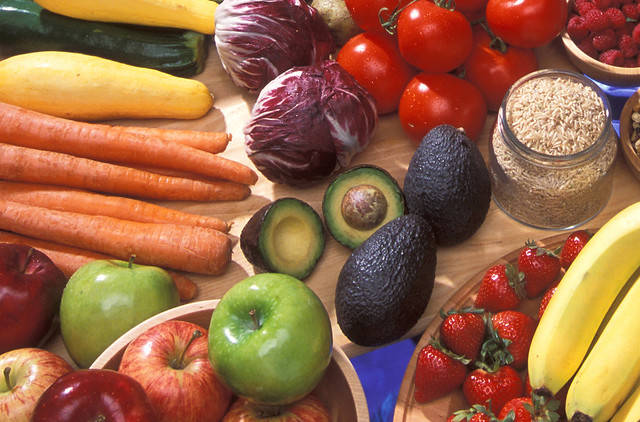
As you can imagine, several foods grown in the dirt make an appearance on this list. Kale, potatoes, strawberries, spinach and celery make this notorious list. These foods grow close to or in the ground, and therefore close to bugs, snails and slugs, so many farmers treat their fields with some form of pesticide to protect their crop.

Tree fruits also figure prominently on this list. Apples, pears, peaches nectarines and cherries often test positive for pesticides, and vine and bush products such as tomatoes and grapes round out the list.

It’s important to note that there are no recalls or major warnings from the USDA concerning any of these fruits and vegetables. In fact, levels of pesticides found have not been labeled as dangerous or evaluated by any official agency, so let’s not panic and stop serving these items. It is, however, important information that serves as a reminder to review our ServSafe MN basics when it comes to handling raw produce.

Always inspect produce upon delivery. If you notice and odd smells, discoloration any type of sheen which looks chemical in nature, you may wish to consider rejecting shipment or asking for an exchange. Inspection on delivery is the first line of defense against serving contaminated food.

Make sure you wash all produce before serving, preparing or cooking. Pesticides can spread to other foods, leave residual traces on cutting boards and be consumed by guests, so washing produce is key.

Do you take extra precautions with certain ingredients, or do you carefully wash and inspect all produce regardless of type?