Certified Food Protection Managers and Efficient Inventory Control

January is upon us and for many foodservice operations that means a predictable lull in business after the hectic holiday months. If you’re one of those operations that experiences a post-holiday slow down, you may want to focus on projects that will contribute to how efficient the business side of your operation works. We recommended certified food managers assess and streamline your inventory control system during the offseason. It can go a long way towards helping your foodservice facility run more safely, efficiently and achieve a profit margin well into the new year.

Certified Food Protection Managers and Efficient Inventory Control

Image credit: dolgachov via 123RF

Inventory Control Assessment Tips for Certified Food Managers

There are many benefits to periodically assessing your inventory control system to make sure it’s effective. Two of the most important are waste reduction and cost control.

Having your inventory information at your fingertips gives you the knowledge to both reduce waste and control food costs. Knowing how long product sits in your storeroom or under refrigeration will help you control ordering and prevent spoilage by giving you a better idea of how much of any given ingredient you use over certain periods of time. You’ll find that simply knowing what’s on hand will have you throwing out less outdated product and also prevent running out of key ingredients between orders.

How can certified food protection managers create an efficient inventory system? While there is no one-size-fits-all solution for every business, here are a few ideas to help you get started.

  • Create daily usage and waste logs
  • Find an easy to use a mobile app to track inventory
  • Upgrade your point-of-sale system to track product used

Most certified food protection managers only take a full inventory once a month on average. While this is great for assessing monthly food costs, it has the potential for giving you an incomplete picture of how your inventory works. Creating a daily log of what product is used or wasted can give you a much clearer picture of where you need to trim inventory or increase ordering pars.

Finally, there are many software solutions to help you keep track of your inventory. Apps are available for mobile devices and modern POS systems allow users to enter recipes and ingredients for menu items. Talk with a representative from the company that provides your point-of-sale software to see if there is an upgrade available to help track your inventory. It may cost more, but you may find you’ll save money in the long run with a more efficient inventory process.

Is it time for your certified food protection manager to take a closer look at your inventory systems?

Certified Food Manager’s Guide to Safely Serving Shellfish

Safely Serving shellfish

The waters in the Atlantic and Pacific are getting colder, and that makes it the prime time to eat and serve shellfish. Before the shellfish season begins, let’s take a moment to review food procedures for safely serving shellfish.

FDA testing shellfish is the first step in safely serving shellfish
Image credit: US Food and Drug Administration

Serving Shellfish Safety

There are a few types of potentially hazardous foods that certified food managers need to take extra care with when processing, molluscan shellfish is one of them. If handled improperly, they can cause catastrophic foodborne illness and pose a life-threatening situation to any guest who may be allergic. Food safety procedures for safely serving shellfish should begin the second they are received at your facility.

All shellfish must come from an approved source. Your local seafood provider should have more information on where your shellfish come from, and chances are most shellfish shipped to Minnesota come from approved waters. You shouldn’t simply accept this, however. All shipments of shellfish must include a tag or label that signifies where it came from and when they were harvested. Each batch must also be stored on its own. Shellfish from one container cannot co-mingle with shellfish from another batch until it’s time to prepare and serve. This helps to keep any bacteria from spreading from one batch to another and also helps identify the source of any batch that may have caused illness. Once these containers are empty, their labels must be stored for 90 days.

To prevent the growth of bacteria and safely serve shellfish, certified food managers should be very careful to keep all raw shellfish stored at 41 degrees or below. Shellfish are sensitive to bacteria growth, so extended times over 41 degrees greatly increase foodborne illness risk.

Shellfish allergies can be severe. We recommend that you designate a specific station in your facility for shellfish preparation. This will greatly reduce the risk that cross-contamination occurs. It’s also important to store shellfish as far away from other product as possible. Another key to safely serving shellfish is never store raw shellfish over ready-to-eat foods or other items in your refrigerated storage.

Finally, it’s important to warn your guests who may be allergic that shellfish are processed in your kitchen. Some allergy sufferers can’t take any chances. A simple disclaimer on your menu should suffice.

Do you serve or prepare shellfish? If so, what steps do you take to serve them safely?

Food Safety Training for Hygiene During Cold and Flu Season

Food Safety Training for Hygiene

Food service managers and professionals all know that proper personal hygiene helps keep the food you prepare safe from contamination, and, as we roll into cold and flu season, it can boost your staff’s resistance to bugs and stop them from unknowingly spreading illness to your guests. This week, we’d like to provide a quick online food safety training refresher course on personal hygiene standards for food service professionals.

Food Safety Training for Hygiene
Image credit: Burst via pexels.com

Hygiene and Food Safety Training Review

While food safety hygiene training is important all year long, this could be the best season to review these important issues with your employees:

  • Handwashing
  • Care of Cuts and Sores
  • Hair Covering and Restraints
  • Proper Clothing
  • Jewelry
  • When to be Excluded from Food Handling

Your facility must be equipped with a functional and fully stocked handwashing station. During periodic food safety training, review handwashing procedures and instruct employees to wash often, especially during cold season. Posting a Minnesota food code handwashing fact sheet near all handwashing stations conveniently provides a reference to procedures and a reminder to wash properly.

Taking care of cuts, sores and burns serves two purposes. First, it prevents blood, loose skin and other fluids that result from an injury from coming into contact with the food your staff prepares. It can also help maintain the injured worker’s health by preventing possible infections that could cause them to miss work or become ill. Make sure you have a first-aid kit handy and check often to ensure that it’s fully stocked with bandages, antiseptic and burn creams.

Your clothing and jewelry do more than provide a good look. Dirty clothes can spread illnesses, foodborne and otherwise. Make sure that your staff understands the importance of clean uniforms. Jewelry should not be worn in the kitchen, with the exception of a properly covered wedding band. Jewelry can potentially be covered in contaminates and infect food.

Finally, know when to send staff home or tell them to stay home when ill. Any staff experiencing flu-like symptoms should not work. This will help them get the rest they need to recover and reduce the chances they spread their illness to fellow coworkers and guests. Beyond cold and flu symptoms, food service professionals should stay home if they feel any effects of foodborne illness.

Do you commonly review hygiene procedures?

ServSafe and Salmonella on Papayas

ServSafe and Salmonella on Papayas

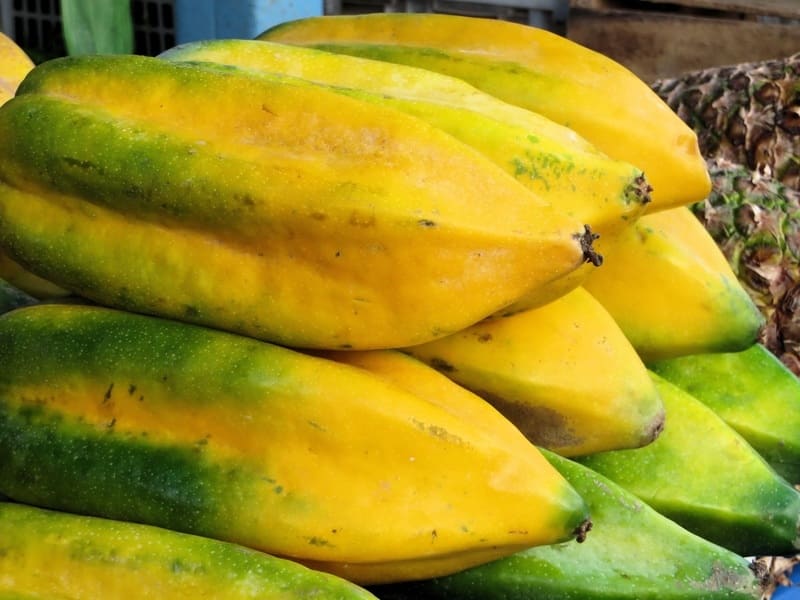
At Safe Food Training, we keep a close eye on food-borne illness outbreaks in the news and are finding more and more salmonella cases as a result of tainted produce. The most recent salmonella outbreak to hit the United States has come as a result of contaminated papayas imported from Mexico. While Salmonella is most commonly associated with undercooked eggs and poultry, ServSafe food managers should take extra care when handling produce like Papayas to avoid spreading illness such as Salmonella from unlikely sources.

ServSafe and Salmonella on Papayas
Image credit: PXhere

ServSafe Food Managers and Salmonella in Produce

According to the FDA’s statistics from this most recent Salmonella outbreak, tainted papaya sickened at least 62 consumers with 23 of those requiring hospitalization across eight different states. This recall did not result in a mandatory recall, but FDA recommendations included in this alert advise throwing away any papaya from tainted batches.

It does not appear, however, that Minnesota has been included in the list of states that have reported illnesses, but cases like this can serve as a lesson that just because an ingredient isn’t often associated with a specific food-borne illness there’s no guarantee that it avoided any type of contamination during packing or shipping.

So far in 2019, the FDA has identified five major salmonella outbreaks in the United States. One from ground turkey, a familiar source of salmonella, one from frozen tuna and three from non-animal product. Along with papayas, we’ve also seen outbreaks in cut melons and tahini sicken customers who consumed these items. So how can ServSafe food managers in Minnesota keep their guests safe when foodborne illness, like salmonella, can come from papayas or just about anywhere?

First, wash all produce before processing. Even if the fruit has a rind or peel that will not be served to guests, contaminated peels can transfer bacteria to cutting boards, countertops and knives. An uncontaminated knife can pick up bacteria on the skin of fruits and vegetables and then transfer it to the edible portion as it slides through the flesh of the product.

Finally, pay attention to the news and check the FDA recall list often. We realize that ServSafe food managers have a lot on their plate, but taking a few seconds to frequently check FDA recalls could prevent your guests from consuming a product known to be tainted.

What precautions do you take to prevent spreading Salmonella infections from unlikely sources?