Reopening Restaurants and Food Safety Training

Reopening Restaurants and Food Safety Training

With Minnesota’s stay-at-home order extended until May 18th, we’re still left with plenty of uncertainty as to when restaurants will be able to return to normal operation. While we don’t know when or how we will be able to allow guests to dine-in in our restaurants, it’s a good idea to start preparing for the time when we’ll be able to do so. The National Restaurant Association, a premier food safety training organization, has published a guide to help restaurateurs prepare for reopening their eating establishments.
Reopening Restaurants and Food Safety Training
Image credit: Ramstein Air Force Base

Food Safety Training Guide to Reopening Eating Establishments

In the National Restaurant Association’s recommended guidance, they’ve broken down four aspects of reopening and food safety training that certified food managers must consider before and during the reopening process.

  • Food Safety
  • Cleaning and Sanitizing
  • Employee Health and Hygiene
  • Social Distancing

While our food safety training procedures must be adjusted to account for reducing the risk of the spread of COVID-19, we must not allow food safety to take a back seat. Preventing corona virus transfer and keeping the food we serve safe can go hand in hand. Here’s a few things you should consider to prioritize food safety.

  • Wash cooking and serving utensils more often than normal.
  • Keep inventory at appropriate levels for reduced service to prevent spoilage.
  • Promote food safety by continued training and monitoring.

Cleaning and sanitizing is a process that can be started now, even before reopening is allowed, and should continue daily as you reopen or provide take-out service as long as stay-at-home rules are in place. Knobs on equipment, light switches, door handles, countertops and other places that are constantly touched should be prioritized, but don’t forget out of the way places that are only contacted a few times a day, or even just once a week. Once we are allowed to reopen, make sure tables, self-ordering kiosks and anything else a guest may touch is sanitized before seating new guests at tables.

The health and hygiene of your staff is now more important than ever. Let your staff know that they must call in sick if they have any signs of illness. Any employee with a fever, cough or other corona or flu-like symptoms must remain home. If an employee does become ill, make sure they are symptom free for at least three days before returning to work. In the event a staff member contracts COVID-19, follow all CDC guidelines.

Finally, enact appropriate social distancing protocols. We don’t know exactly what Minnesota’s regulations on these may be just yet, but we have some things to consider:

  • Separate seated tables by at least six feet
  • Consider self-ordering kiosks or tablets at each table
  • Promote reservations or request guests call ahead to limit waiting with other guests
  • Provide sneeze guards or barriers between service staff and guest where appropriate

Once we have more concrete information from the Minnesota Department of Health, we’ll share our state-specific rules with you. Stay safe and stay healthy.
Food Safety Guide to Proper Date Labeling

Food Safety Date Labeling Example

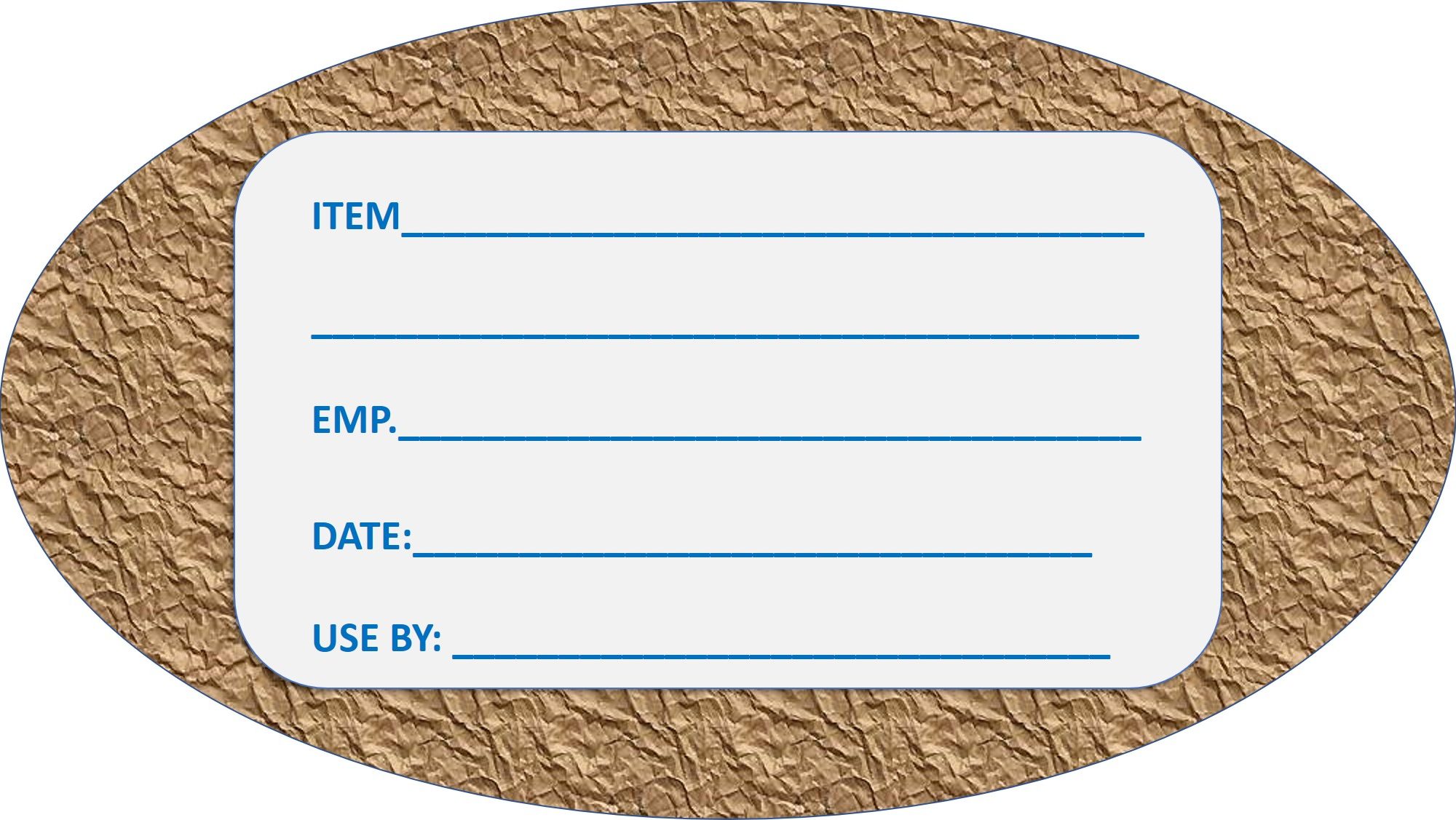
The Minnesota food code states that all ready-to-eat foods must be labeled and dated. When the topic is brought up in our food safety training sessions, many students often share their strategies and how they make sure their products are properly labeled. This week, we’d like to outline the rules for date labeling product and provide a quick online food safety resource on the topic.

Food Safety Date Labeling Example

Tips for Food Safety Date Labels

The first thing we need to discuss is what types of foods need to be labeled. According to the Minnesota food code guidelines, food products meeting all of the following criteria must be labeled and dated:

  • Ready-to-Eat Foods
  • Refrigerated Product
  • Prepared Food Stored for 24 Hours or More

If your product meets all three of these criteria, then they must be properly labeled with the date they were produced. When labeling your food, it’s important to note that there is a seven-day limit on refrigerated ready-to-eat foods, but that doesn’t mean that every ready-to-eat food will be safe to serve for a full seven days, so rely on your food safety training for signs your product may be unfit for consumption.

It’s important to note that the date your product gets labeled should be the date the first cooked ingredient was prepared. For example, if you have a chicken salad sandwich on your menu and you cook your chicken on a Tuesday but don’t mix it with the rest of the ingredients until Wednesday, then Tuesday’s date should be the date on your label.

The food code does a great job of specifically outlining the what and how long of labeling, but they give food managers flexibility when it comes to the how. This is where you need to take steps that will best fit the food safety training that you’ve provided your staff to define a date labeling system. Make sure that your date labeling system is consistent and easy to recognize. Here are a few examples of effective systems:

  • Colored day dots
  • Date and time tags
  • Day of the Week Stickers

All of these systems are acceptable within the rules of the food code, but remember all employees must be able to explain the system during any routine health inspection. Our advice would be to incorporate a system that displays the exact date food was prepared rather than a simple label with the day of the week. This gives you an exact reference to know if your product is within the seven day limit rather than just using a day-of-the-week marker. Who knows? That chicken salad may have been mixed two Tuesdays ago and forgotten.

Do you have a well-defined date labeling system to protect food safety in your establishment?

Food Safety Training and the use of Hand Sanitizers

Food Safety Training Hand Sanitizes

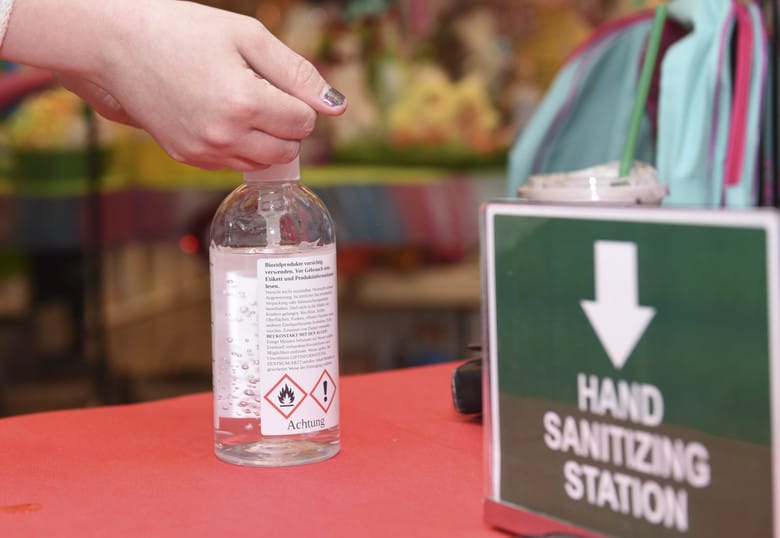
The FDA recently issued a warning letter to the makers of Purell sanitizer asking them to stop claiming their sanitizer kills norovirus, Ebola, influenza and other viruses. If you read the report closely, you’ll find that the FDA never said that sanitizers don’t kill these viruses, there just isn’t the scientific study to back up Purell’s claims. In light of this warning, how should we adjust our food safety training to teach food service employees the proper use of hand sanitizers?

Food Safety Training Hand Sanitizes
Image credit: Anna Earl on Unsplash

Hand Sanitizers and Food Safety Training

When delving into this topic, it’s important to start off with one vital truth:

Hand sanitizers are not a substitute for handwashing.

When discussing food safety protocols with your staff, it’s important that they understand proper handwashing is the most effective way to kill germs and prevent the spread of foodborne, viral and bacterial illness. While hand sanitizers may advertise that they kill viruses and bacteria, they can never take the place of handwashing. So is there any instance where hand sanitizers or antiseptics are allowed in the kitchen?

While the Minnesota food code is adamant that sanitizers are not an effective replacement for handwashing, they do allow for the use of sanitizers in the kitchen.

Foodservice workers can use antiseptic gels or liquids after they have washed their hands properly. This can add an extra layer of protection, but only when used properly after a good handwashing. They should never be used before handwashing, or when timing makes the washing of hands inconvenient. Remember, handwashing should never be inconvenient, and paying close attention to handwashing habits will help prevent the spread of foodborne illness.

When it comes to the norovirus, the flu or Ebola, it’s always good practice to teach proper handwashing techniques that can be used at work or at home.

Will food safety ratings be the defining issue of the 2020 election?

In a recent interview on The Tonight Show with Jimmy Fallon , Presidential candidate Mike Bloomberg mentioned health and food safety (3:34) as one of the pressing issues our country needs to address. During the discussion, he referenced New York City’s requirement to post food safety ratings in the entryway so customers can see just how well their favorite local restaurants performed on their last health inspection. New York isn’t the only city to post-inspection grades, as several states and municipalities also require restaurants to post their grades. It makes us wonder, would this requirement improve food safety in our state?

Food Safety Rating near entrance

Public Food Safety Ratings

When assessing the effects of any new regulation, our goal is to assess whether or not it will be effective in keeping food safe. Will an easily viewable public disclosure of health inspection results keep the food served in local restaurants safe and improve the overall risk of foodborne illness?

This is one case where certified food protection managers can use food safety training to not only to prevent foodborne contamination but to bring in more revenue. If your restaurant receives a two out of five stars, a C- or sickly gray face, customers may choose to move on, but if your restaurant is getting an A+, it won’t only be a deciding factor in drawing in guests, it’s probably something they’re going to tell their friends about.

This may also put added pressure on certified food protection managers to ensure that there are no lapses in food safety training. A health inspection usually comes unannounced and unexpected. If your staff is continually following health department protocols to the letter, you should have nothing to worry about. Without publicly posted food safety ratings, there may be less pressure to provide thorough training on every aspect of food safety. One slip could reduce your grade, and even if you take steps to address issues following your health inspection, potential customers will see your low grades until your next review.

How would you feel about having your restaurant’s food safety ratings posted where all of your guests can see?