How ServSafe Food Managers Can Thaw Frozen Foods Safely and Preserve Quality

How ServSafe Food Managers Thaw Frozen Foods

As the year wears on into winter, ServSafe food managers are often forced to bring in frozen product that is no longer freshly available, and considering the reduction of business due to COVID-19 restaurant restrictions, many restaurants are relying on frozen ingredients to keep costs down and reduce waste. If you’re finding yourself thawing more product than normal, it may be time for a quick review for ServSafe Food Managers on methods to thaw frozen foods properly to reduce foodborne-illness risks and preserve quality.

How ServSafe Food Managers Can Thaw Frozen Foods Safely and Preserve Quality
Image credit: kropekk pl from Pixabay

ServSafe Food Manager Guide to Thawing Foods

According to the Minnesota Food Code there are several ways to safely thaw frozen product:

  • Under Refrigeration
  • Submerged Under Running Water
  • As Part of the Cooking Process
  • In a Microwave

All four of these methods have their merits and drawbacks, so ServSafe food managers should consider the types of foods they are thawing before choosing a method in order to maintain food quality. No matter which method you choose, be aware that Minnesota food safety standards do not allow for product to be stored at over 41 degrees for more than four hours.

Thawing frozen product under refrigeration is probably the best way to thaw product safely and ensure that it will maintain its quality, especially when you’re thawing large items. Whole fish, roasts and other large items will take considerably time to thaw, and since your refrigeration units are kept below 41 degrees you don’t have to be concerned about the four hour window.

If you need product sooner, you can thaw under cold running water. If you choose this method, be sure to seal your frozen product in some way. A large water bath can spread pathogens and damage sensitive ingredients such as seafood. The last thing a guest will want to see is a jumbled pile of mush on their plate.

If you’ve frozen casseroles or soups, they can be cooked from frozen as long as they reach servable temperature in as short amount of time as possible.

While it’s acceptable from a food safety standpoint to use the digital chef to thaw product, a microwave really should be the last resort. With the exception of product designed to be cooked from frozen in the microwave, you’ll notice a steep decline in quality when thawing in the microwave versus other options. If you do thaw product in the microwave, it must be cooked immediately following the thawing process.

Are you a ServSafe food manager relying on frozen product during the winter months?
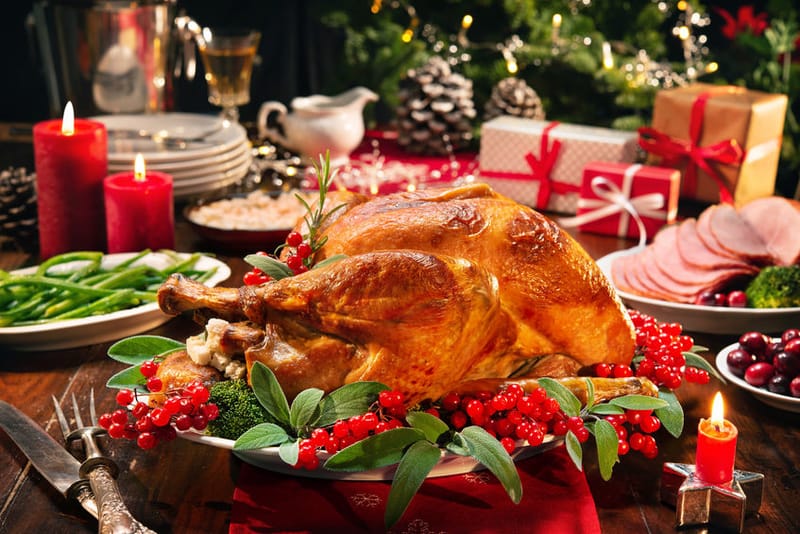
Valuable Tips For CFPMs Offering 2020 Holiday Buffets

CFPM presentation of COVID safe holiday buffet

In traditional times, the months of November and December see an increase in buffet dining options as larger groups congregate in restaurants and dining halls to celebrate the holidays. This holiday season is one like no other, so certified food protection managers have to take extra precautions not only to keep their food safe but abide by local COVID-19 restrictions. Let’s take a look at some steps Certified Food Protection Managers (CFPMs) can take if they choose to host a holiday buffet service.

CFPM presentation of COVID safe holiday buffet
Image credit: Alexander Raths via 123rf

Certified Food Protection Managers and Holiday Buffets

According to StaySafeMN hospitality guidance buffets are allowed as long as the establishment adheres to certain protocols. However, our first suggestion would be to assess whether it’s absolutely necessary to provide buffet service this season. With reservations required and limited seating capacity, your CFPM may wish to consider foregoing the holiday buffet for a more traditional sit-down service to better abide by StaySafeMN protocols. With the added restriction of required reservations, it’s possible that your guests can preorder their meals. This may streamline the process and reduce the risk of too many customers congregating around the buffet line.

If you do choose to offer a holiday buffet, you should take the following into consideration:

  • How will you enforce social distancing in buffet lines?
  • Will multiple guests use the same serving utensils?
  • How will sanitation protocols be put in place?

No matter the occasion, buffets tend to promote groups of people waiting in line and huddling in confined areas for extended periods of time. Even at 50-percent capacity, many restaurants may have trouble enforcing social distancing regulations. You may wish to have servers monitor the situation and release groups table by table to peruse the options at the buffet.

The use of common utensils presents a major dilemma when it comes to buffets. During regular buffet service, many unrelated guests may handle the same serving utensils. In order to avoid this common contact, we’d suggest pre portioning items on the table that guests can grab and go without digging into chafing dishes. While this may require guests to make multiple trips through the line, it reduces the risk of a potentially infected customer from spreading coronavirus through contact with utensils.

Finally, there should be rigid sanitation protocols in place. Assign specific staff members to sanitize common serving areas after each group has gone through the line.

Does your CFPMs have a plan for holiday buffet service?

Highlights From New Consumer Food Safety Confidence Survey

Highlights from New consumer Food Safety Confidence Study

As a supply chain innovator, Zebra Technologies manufactures high-tech products that help businesses manage and monitor their supply chain. Some of their products include technology related to food quality monitoring and supply chain tracking. They recently conducted an extensive survey and study about consumer food safety confidence. This lengthy study brings to the forefront many issues ServSafe food managers should pay attention to, so let’s take a look at some of the highlights.

Highlights From New Consumer Food Safety Confidence Survey
Image credit: nicoletaionescu via 123rf.com

ServSafe Food Managers and Consumer Food Safety Concerns

In conducting this study, Zebra surveyed 4,957 consumers and 462 food and beverage firms worldwide. While each region had its share of diverse concerns, the results of those surveyed in the U.S. and the rest of North America shed some light on how our customers view food safety. Some consumer food safety stats that should concern ServSafe food managers include:

  • 60% would never return to a business where they consumed tainted product
  • More than 80% believe all businesses have an ethical responsibility to enforce strict safety standards
  • Approximately 70% feel it’s important to know how their food is handled and prepared
  • 69% would like to know how their food is sourced

As you can see from the first two statistics, consumers believe in strong food safety standards and trust will be easily lost, even after just one incident. That’s why it’s vital that your food business has clearly outlined safety standards and there are no training gaps when it comes to food safety.

It may come as a surprise that more restaurant-goers feel the need to know where their food comes from and how it’s handled. It’s no longer enough just to trust that restaurants have strict food handling procedures.

To respond to consumers who are looking to know every detail of food production, ServSafe food managers should be prepared to answer questions as to the source of their ingredients, especially potentially vulnerable items such as seafood. Customers will eat much more confidently if their concerns about sourcing and handling can be quickly addressed.

On a final note, consumers were asked what they perceived to be the biggest issues when it comes to food safety. The top answers include:

  • Kitchen staff hygiene
  • Foodborne illness outbreaks
  • Contaminated product
  • Consuming recalled ingredients

As you can see, three out of four issues all concern the state of product before it reaches your facility. Do you feel it’s important to know where your ingredients come from?

Uncharted Flu Season Warning For MN Food Safety Managers

Uncharted Flue Season for MN food safety managers

Food safety managers in Minnesota and the rest of the world have had to take unprecedented precautions due to the COVID-19 pandemic and now are faced with balancing those precautions as well as monitoring employee health and hygiene as we approach the flu season. Due to the convergence of these two potentially debilitating illnesses, what can MN food safety managers do to protect their staff and their guests?

What can MN food safety managers do to protect their staff and their guests from the convergence of COVID19 and Influenza?
Image credit: Sorin Ciprian Suciu via 123rf

How MN Food Safety Managers can Prepare for Flu Season

While there is some speculation that COVID-19 precautions may help keep flu numbers low, it’s still very important to educate your employees on workplace food safety protocols surrounding influenza. The good news is that there is a great deal of overlap when it comes to influenza prevention and Coronavirus prevention. Food safety managers should remind employees of a few health and hygiene practices:

  • Wash hands often
  • Never work when sick
  • Return home for work if symptoms begin on the job
  • Wait at least 24 hours after symptoms vanish before returning to work

These should be standard practices in any food production business, no matter what the circumstance. MN food safety managers should not just assume that their staff will follow these rules, they should monitor the health and hygiene practices of their staff. Make sure that you post proper handwashing posters at all handwashing stations and monitor these stations often to make sure they are fully stocked with soap and paper towels. You should also take the time to verify that each handwashing station is supplying hot water.

Employees should be reminded that they should never work with symptoms of illness, flu or otherwise. Fevers, headaches, coughs, runny nose and other symptoms are red flags when it comes to influenza. Remind them to be extremely cautious and call in sick should they be displaying symptoms, no matter how mild. If symptoms begin while at work, food safety managers should make sure the potentially ill employee is sent home.

Finally, it’s important to wait at least 24 hours after recovering from flu symptoms before returning to work. Just because an employee wakes up feeling better than they did the night before, it doesn’t mean that they are no longer contagious. Considering the potential for a public health crisis involving both influenza and COVID-19, food safety managers may wish to extend this period to 48 hours before allowing an ill employee to come back to work.

Have you taken the time to remind your staff of good health and hygiene procedures as we roll into the flu season?