Food Protection Manager Fundamentals That Make Serving Wild Mushrooms Safe

food protection manager fundamentals make serving wild mushrooms safe

We are well into fall, and that means that wild mushroom season is in full swing. Many certified food protection managers love adding fresh, local ingredients to their menus, and mushrooms are no exception, but with wild mushrooms come some unique food poisoning risks. If you plan on serving wild mushrooms this fall, reviewing these food protection manager fundamentals could prevent serious illness.

Food Protection Manager Fundamentals Make Serving Wild Mushrooms Safe
Image credit: yuliadavidovich via 123rf

Food Protection Managers and Wild Mushrooms

For food protection managers to understand why wild mushrooms present such a high risk, we should look at the symptoms of mushroom poisoning. Unlike in cartoons, poisonous mushroom won’t just make you see funny shapes and colors for a few minutes, eating them poses a real threat to your health. Consuming poisonous mushrooms can result in:

  • Vomiting
  • Fever
  • Kidney failure
  • Irregular Heartbeat
  • Seizures
  • Death

As you can see, the consequences of eating poisonous mushrooms range from mild to the ultimate consequence. So how can certified food managers reduce the risk of accidentally serving bad mushrooms to guests?

The first, and probably most important, step is to only purchase wild mushrooms that have been harvested and inspected by a certified wild mushroom harvester. Certified harvesters receive the training necessary to understand the difference between good and bad wild mushrooms and help ensure that only the edible mushrooms make their way into your food business.

Secondly, food protection managers must make sure that wild mushrooms are washed just before use. Washing mushrooms will remove dirt and contaminants that could sicken guests. However, make sure that you wash them as close to use as possible. Being a fungus, wet mushrooms pose an enormous risk for mold, mildew and other bacteria when wet, so make sure the time between washing and cooking is kept as short as possible.

As with all questionable product, food protection managers must should use your best judgement when serving wild mushrooms. If your wild mushrooms don’t look, smell or feel right, don’t use them. It’s better to lose a little bit of product than sicken your guests.

Do you serve wild mushrooms in your business?
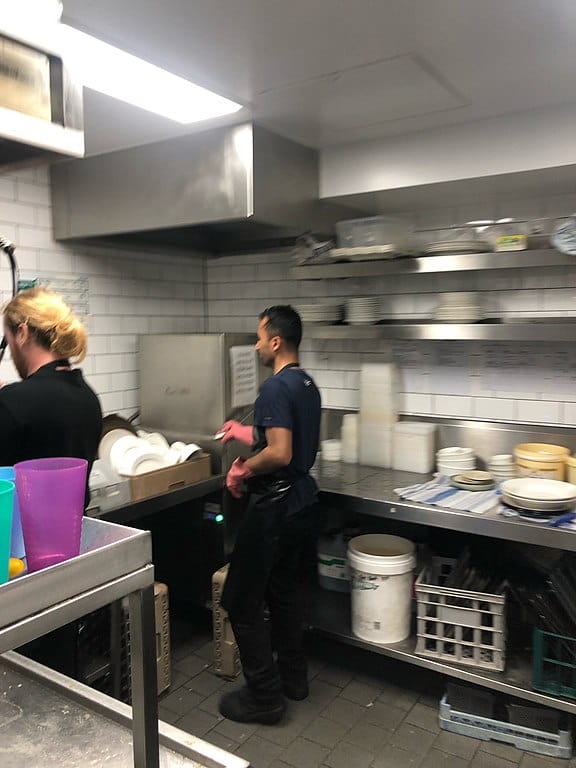
New Food Safety Training For The Dish Pit

We all know that dishwashing machines are an important piece of equipment in keeping serving ware and the utensils we use to prepare food clean, but do we take the time to ensure that our dishwasher is kept in sanitary condition? Beyond sanitizing the clean side of the dishwasher and making sure drying areas are kept in proper condition, how can we promote food safety training to keep the “dirty” side of our mechanical dishwashers from creating foodborne illness hazards?

Food Safety Training for the Dish Pit
Image credit: Simcitywok via wikimedia commons

Food Safety Training tips for Dish Pit Cleanliness

It’s easy to understand why the clean side of the dish pit needs to remain clean. All of the dishes that end up over there are sanitized and ready for service, but ignoring the dirty side of the dish area creates scenarios that can be a food safety risk. When providing food safety training to dish machine operators, make sure you cover:

  • Garbage Disposal
  • Machine Filters
  • Doors and Seals
  • Dirty Washing Surfaces

We tend to assume that the garbage disposal churns up waste and sends it into the sewage system, but a lot of the residue remains in the drain, on the blades and in your pipes. This food residue attracts pests such as fruit flies. While it’s not necessary or even prudent to take apart your garbage disposal, there are liquid solutions available that can clean and sanitize garbage disposals and pipes. If you have the need to reach into the garbage disposal for any reason, make sure that it has been unplugged to prevent catastrophic injury.

Most mechanical dish washers have filters to prevent waste from ending up in the drainage system. Make locating and cleaning these filters a part of your basic food safety training. Don’t forget that grease and grime can build up on the inside of the doors and transfer to clean items during the rinse cycle.

Finally, the areas where plate ware and production tools wait to be washed can also attract pests and transfer contaminated materials to employees who touch them and work near these areas. The food safety training best practice is take the time to often clean washing surfaces and dirty dish storage areas.

Does your food safety training cover the whole dish pit area?

Revealing Risks In Guest Restrooms For Food Protection Managers

Revealing Risks In Guest Restrooms For Food Protection Managers

We usually focus on areas of food safety in staff areas of food businesses, but there are health risks that can occur in spaces specifically set aside for guests. Guest restrooms hold the potential to spread illness if not properly cleaned and sanitized. While we’d never suggest that you serve guests in your restrooms, it’s important food protection managers to realize that there are health risks that can arise from the condition of your facilities.

Revealing Risks In Guest Restrooms For Food Protection Managers
Image credit: kzenon via 123rf

Public Restrooms Sanitization Tips for Food Protection Managers

The cleanliness of your guest restroom greatly influences your guests’ perception of the cleanliness of your entire restaurant. You could have an immaculate kitchen, but if a patron enters an unsanitary restroom, they’ll question whether or not your entire establishment is sanitary. We strongly suggest that you make every effort to keep your public restrooms in the same state as your staff facilities. Every restroom should:

  • Be stocked with plenty of soap and paper towels
  • Be devoid of standing water on counters and floors
  • Have hot water readily available
  • Be regularly inspected for cleanliness
  • Have frequently touched surfaces sanitized often
  • Have a hand washing poster on display

At bare minimum, your guest facilities must be stocked with hot water, soap dispensers and plenty of paper towels. However, food protection managers should consider installing hand-free soap dispensers and hand dryers in their guest facilities. Over the course of your business day, numerous guests will touch soap dispenser pumps with bare hands leaving bacteria and other contaminates on the pump. These will transfer to the hands of other guests. If your guests do not thoroughly wash their hands, these pathogens might remain and cause a health risk when they return to their tables to eat.

Standing water not only makes your restrooms look unsanitary, bacteria can form on countertops that can cause a risk. Your food protection manager should assign staff members to regularly inspect restrooms to ensure this is not the case. During these inspections, they should also check soap and paper towel supply and sanitize door handles. Restroom door handles are constantly touched by unwashed hands and pose the greatest risk for contamination.

Finally, display a poster as a friendly reminder that handwashing is important. This will offer a simple suggestion to guests to wash their hands before returning to their table.

Do you have outlined procedures for keeping guest restrooms clean and sanitary?

New Year’s Training Resolutions Every Food Safety Manager Should Make

2022 Resolutions Every Food Safety Manager

2022 is almost upon us, and the time has come to reflect on the past year and set goals for the next one. With that in mind, we feel that 2022 should be the year that every every food safety manager focuses on staff food safety training as part of their New Year’s Resolution. We can join together with other MN certified food protection Managers in an effort to make our food service community the most knowledgeable and safest in the country.

2022 Resolutions Every Food Safety Manager
Image credit: pavelmuravev via 123rf

Simple Resolutions Every Food Safety Manager can Use to Improve Food Safety Training

When it comes to food safety training, January is a great time commit to a focus on training and the best way to start the new year is to start with the basics. Basic food safety training can go by the wayside over time, so make sure you and your staff review:

It may sound like basic common sense in the food industry, but these three things are the most effective tools we have to prevent foodborne illness. Resolve to not let food safety basics fall by the wayside in 2022.

Another very simple way to resolve to improve your staff’s food safety training knowledge base is to take advantage of food code fact sheets. The Minnesota Department of Health has a fact sheet for nearly any food safety rule that applies to your establishment. Print off copies and post them where appropriate for a quick reminder or store them in a readily available notebook for easy reference.

Finally, nothing beats food safety training from an industry expert. Rather than rely on your previous training, resolve to bring in an expert for a custom training session or send additional staff members to gain their certified food protection manager’s certificate. Nothing will prepare your establishment to protect your guests like training from industry leaders.

Do you have any New Year’s resolutions for 2022?