New MN Food Code Guide to Serving Highly-Susceptible Groups

New MN Food Code Guide to Serving Highly-Susceptible Groups

Certified food protection managers equip themselves with the knowledge and tools to safely prepare food for their guests, but certain groups require additional precautions. The Department of Health has taken notice and added a section in the new MN food code guide to serving highly-susceptible groups, outlining the precautions that must be taken when serving these groups.

New MN Food Code Guide to Serving Highly-Susceptible Groups
Image credit: U.S. Department of Agriculture via Wikimedia Commons

MN Food Code Guide to Serving Highly-Susceptible Groups

The language in the new code defines highly-susceptible groups as “…immunocompromised, pre-school aged children, or older adults.” If you’re a certified food manager at a hospital or other medical facility, care center for aging adults, pre-school or any facility that serves these groups, you should be aware of extra precautions you must take to prevent bacteria from reaching the people in your care.

The food code outlines a few precautions:

  • Undercooked eggs animal proteins may not be served or offered for sale
  • Raw eggs broken for preparation must be used immediately
  • Bare-hand contact with ready-to-eat foods is prohibited
  • Unpasteurized juices may not be served to children under the age of nine
  • Food and food packages served to medical patients in isolation cannot be re-served or reused

If you prepare meals for any of these populations, make sure to cook all products to the proper temperatures, and always check the internal temperature of animal proteins using the proper thermometer. It is also important to be aware of any food in the danger zone. Prevent raw meat and eggs from sitting at room temperature for any length of time, and always make sure your meals are served as soon as possible after preparation. This will prevent bacteria growth that could result in severe foodborne illness for compromised individuals.

Finally, if you serve contagious or isolated medical patients, never re-use food that may have been exposed. Use an abundance of caution with all utensils and food packages that have been used in serving patients. You may wish to look into disposable utensils and serving ware for these individuals.

Bacteria that may have little or no effect on the general populace has the potential to be fatal among sensitive groups. As a certified food manager, what precautions do you take to keep the food you serve safe for these groups?

Minnesota Food Code Changes for Warewashing Water Temperature

warewashing water temperature

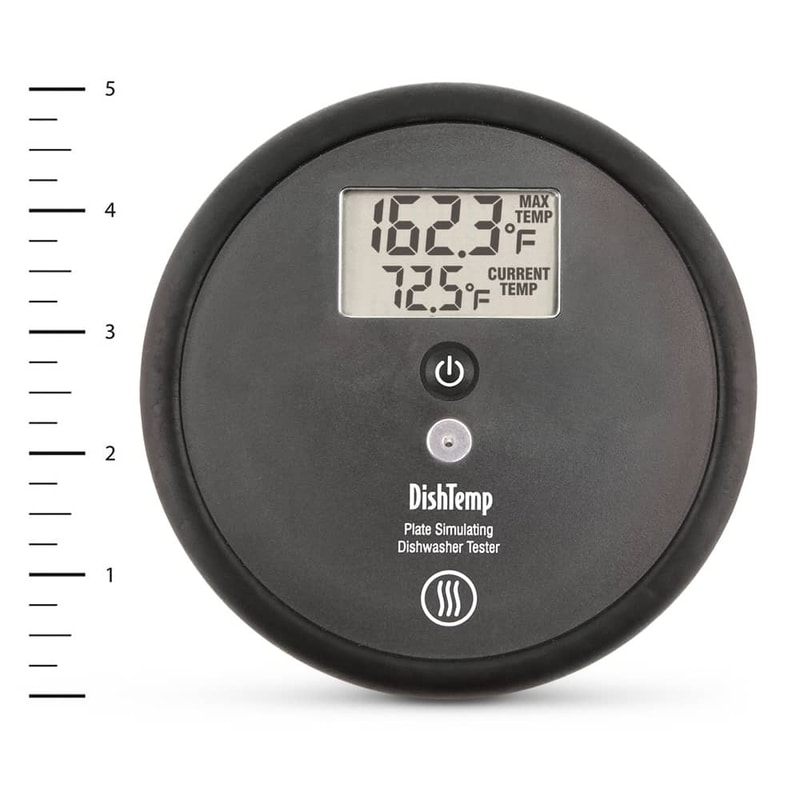
Dishwashing machines are a vital part of any food service operation, but they also present a potential food safety hazard if not maintained properly. One key part of any dishwashing machines ability to sanitize plateware, silverware and cooking utensils is having hot water available, and with new changes coming to the Minnesota food code, you’ll soon be required to take specific steps to monitor the warewashing water temperature in your dishwashing machine.

warewashing water temperature
Image Credit: ThermoWorks

Proposed Minnesota Food Code Compatible Warewashing Water Temperature Measuring Options

We learn in online ServSafe courses that the hot water temperature in your dishwashing machine must reach temperatures greater than 160 degrees for proper sanitation. Many types of devices exist that can ensure that food contact surfaces reach the proper temperature:

  • Single-Use Temperature-Sensitive Stickers
  • Temperature-Sensitive Labels and Test Strips
  • Reusable Waterproof Thermometers

Temperature-sensitive stickers and labels are color changing devices that can only be used one time. There are advantages and disadvantages to using stickers and labels. The cost of a box of these temperature-sensitive devices is much cheaper than a thermometer designed for measuring your dishwashing machine’s water temperature. Accuracy of these labels can be called into question as they do not give you a reading to the exact degree. While they do change color based on water temperature, they only give you a range of temperature rather than an exact reading. A word of warning about stickers and labels; they come in many different temperature ranges, so make sure you purchase a product that reads temperatures of at least 160 degrees.

We recommend a reusable Min-Max registering digital thermometer designed for warewashing. While the initial cost of these is much more expensive, over time you may find the long term cost of buying box after box after box of test strips might be more expensive. These thermometers can be accurate to the tenth or hundredth of a degree, and come in numerous styles, some that are even shaped like a small plate that will fit conveniently on your dishwashing rack. They are easy to read, easy to use and give you a much better idea of exactly how your dishwashing machine is performing.

Making sure that your warewashing temperature is high enough to kill pathogens will eliminate one sensitive area in your facility. We’d like to know which type of temperature monitoring device you find the most convenient.

Prepackaged Food Safety Training

Prepackaged Food Safety Training

Most restaurants make their menu items in their own kitchens, but some chain restaurants with a multitude of locations and other facilities may not have the luxury of staff or kitchen space so they bring in certain prepackaged items to fill out their menus. In these cases, the distributor is the one who prepares and packages these meals, salad mixes or other ready-to-eat foods, so how much responsibility do you have to take to ensure prepackaged items are safe? We’ll take a look at prepackaged food safety training.

Prepackaged Food Safety Training
CC0 – Pubic domain license- Martin Vorell

Prepackaged Food Safety Training and Food-Borne Illness Risks

McDonalds recently fell victim to a food-poisoning outbreak in 15 states that was traced back to a salad mix that was prepared by Fresh Express and shipped to a large number of McDonalds restaurants. Just like July’s cases involving Del Monte vegetable trays, this salad mix was found to be contaminated with a parasite called Cylcosporiasis. In both of these cases, the parasites came from an outside source and not the restaurants, grocery stores or other outlets that sold them.

As food service managers, we cannot simply assume that these cases won’t happen to us, and if they do we need to have a better response than; “I didn’t make it, not my problem.” We need to use our food safety training in all instances, whether we’ve prepared the food ourselves or brought it in from an outside source. In the case of salad mixes and prepackaged vegetables, you’re still safe to wash and rinse these types of produce even if the sealed plastic bag declares that its contents are “ready to eat.” This extra precaution may save big headaches in the long run should the product be contaminated.

You should also take steps to prevent sickening your staff from non-produce items. Sometimes, undeclared allergens appear in dressings, snack bars and many other types of pre-packaged foods. We recommend vigilance in checking the FDA’s recall alert page. Here you can find a searchable list of all recent recalls due to contaminates or allergens.

Do you serve prepackaged, ready-to-eat foods in your facility? If so, do you provide prepackaged food training to your staff to ensure it is safe for your customers?

ServSafe Food Managers and Proposed Changes to Handwashing Stations

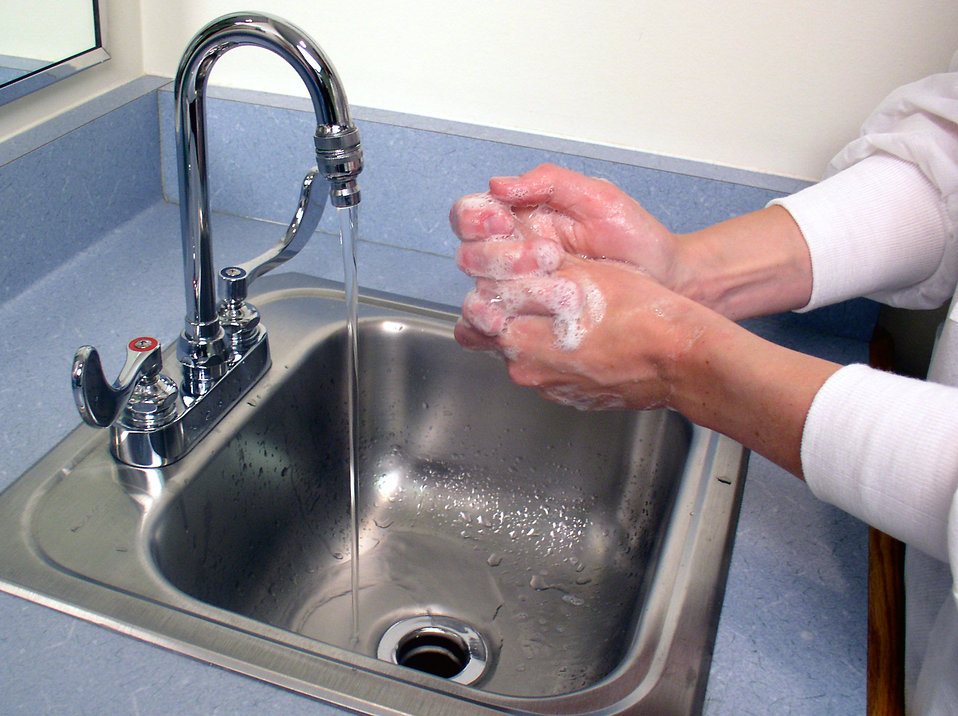
As we covered in a previous article, the Department of Health has proposed a few changes to the current health code to take effect sometime in the near future. Quite a few of these changes require ServSafe food managers to make changes to how they operate their kitchens and train their employees. This week, we’d like to take a look at the proposal to alter some of the requirements for employee handwashing stations.

ServSafe Food Managers and Proposed Changes to Handwashing Stations
Image credit: Public Health Image Library

Preparing for Changes to Regulations for Handwashing Stations

From a quick glance, we notice a few things in this proposal that ServSafe food managers should note:

  • Fingernail brushes will no longer be required
  • Heated-air or air-knife hand dryers will be allows at handwashing stations in kitchen areas
  • Handwashing signage at employee handwashing stations will be required rather than voluntary

Of these three changes, we note that only one of them involves taking away the requirement of a convenient handwashing tool. Once these changes go into effect, a nailbrush will no longer be required at your handwashing station. The reason behind this decision comes from the fact that while a clean nailbrush can be a great tool in sanitation, one that is not cleaned regularly can actually spread bacteria from one hand to another. If your nailbrush receives constant use without proper cleaning and replacement, you may be promoting a health hazard rather than preventing one.

While fairly common in restrooms, forced-air hand dryers rarely are seen in the kitchen. These new handwashing stations guidelines will allow for air-knife and heated-air hand dryers in kitchen areas. These hand dryers provide an economical solution over single-use paper towels, but they should be sanitized periodically to maintain a germ free drying solution. If your forced-air hand dryer contains an air filter, make sure to replace it regularly.

Finally, up until now handwashing signage at employee handwashing stations has been voluntary. The new rules require a handwashing procedure poster at each handwashing sink. This offers a visual reminder to your staff to wash regularly and properly.

Over the coming months, we will be diving into many of the new proposed rule changes. How do you feel about the proposed regulations concerning handwashing stations?