A Business Case for Food Safety Training

A Business Case for Food Safety Training

With the costs of goods and labor rising, restaurant owners and managers feel pressure to keep profit margins from evaporating. Many search for a way to cut expenses, whether it’s reducing staff, rewriting menus to reduce food costs or finding suppliers that provide goods at more affordable prices. While it’s tempting to reduce costs by only requiring key staff members to receive food safety training, there are incredible financial risks involved in skimping on employee training.
A Business Case for Food Safety Training
Image credit: Mike Mozart via Flickr

The Financial Downfall of Neglecting Food Safety Training

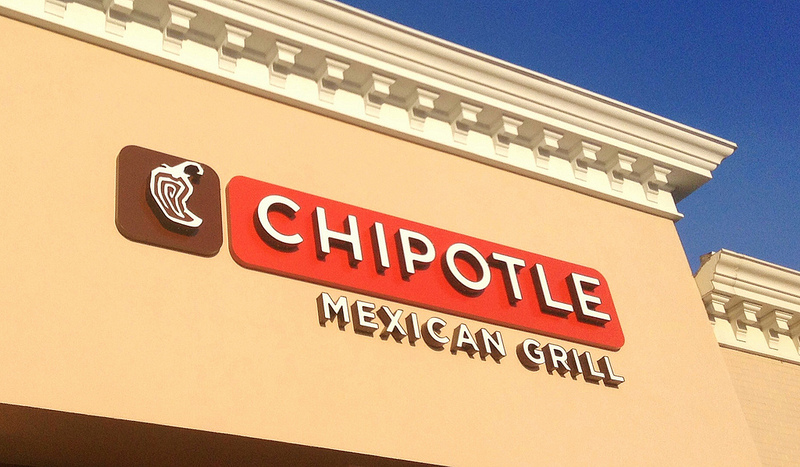
When exploring the financial repercussions of lax food safety training standards, one only has to look at the high-profile case of Chipotle Restaurants.

In 2015, the Chipotle chain made the news on a few occasions for sickening its guests with the Norovirus, E.coli and Salmonella on several different occasions. In fact, the CDC reported six outbreaks in a short period of time. The news could be even worse for the company, as attorneys representing Chipotle’s stockholders have discovered several other unreported outbreaks dating back to 2014. These very public events have caused Chipotle stock to plummet, being worth only about a third of what it was before these incidents became public.

Looking at the number of incidents and the variety of pathogens involved, it’s fairly obvious that although these outbreaks have stemmed from the same company, they are too different to be closely connected. It’s our opinion that there must have been significant gaps in food safety training at a corporate level. Investing in proper training may have prevented these outbreaks and saved the company a significant amount of money in lost revenue.

Not every Chipotle restaurant was affected by the outbreak, and the company has survived to remain operational today. However, if a smaller business had suffered from this type of negative publicity, they may not have the means to recover from a significant drop in revenue. Making sure resources are allocated to provide food handling training will not only keep your food safe, it may prevent a financial disaster and keep your doors open.

At Safe Food Training, we offer many different types of safe food training and will gladly tailor a course to effectively teach your staff the proper way to handle the food you prepare.

ServSafe Food Safety Managers and Contaminated Frozen Vegetables

ServSafe Food Safety Managers and Contaminated Frozen Vegetables

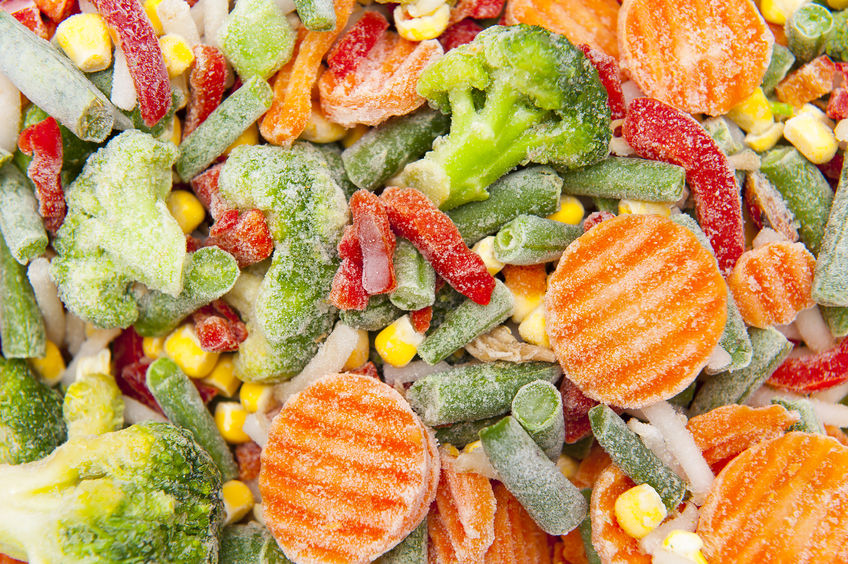
During the month of October, we’ve come across several recall notices involving frozen vegetables. A few of these recalls occurred due to possible listeria contamination, and one brand in particular was recalled without the location of distributed product being fully disclosed. Since the FDA did not require this distributor from alerting the public to the risk of contamination of nearly 25,000 cases of frozen product, we’d like to discuss how ServSafe food safety managers can keep guests safe from potential illness.

ServeSafe Food Safety Managers and Contaminated Frozen Vegetables

Copyright: 123rfaurinko / 123RF Stock Photo

Food Safety and Frozen Vegetable Preparation

While listeria is more commonly associated with deli meats and unpasteurized dairy product, the recent rash of recalls shows that other foods carry the risk of contamination. The frozen product in question may have picked up this bacterium during processing or packing. Steps that help prevent listeria poisoning from spreading to your guests include:

  • Fully cook frozen vegetables to 140 degrees
  • Cook frozen vegetables without thawing
  • Keep all cooked vegetables out of the danger zone when hot holding
  • Serve cooked product quickly if not hot held
  • Keep an eye on recall notices

When discussing cooking temperatures, proper procedure for vegetables tends to get overlooked. The proper cooking and holding temperatures for plant based ingredients is 140 degrees Fahrenheit. Paying close attention to temperatures will reduce the risk of food-borne illness.

Cooking frozen vegetables directly from the freezer rather than thawing also reduces the risk of having bacteria multiply. Most frozen vegetables are blanched before packaged and frozen. While thawing, plant matter will become soft, giving bacteria ample breeding grounds. If you feel the need to thaw frozen vegetables, make sure that you thaw them in the refrigerator rather than at room temperature. Most food-borne pathogens multiply rapidly at warmer temperatures.

As with any other cooked food product, vegetables should be served as soon as they are cooked. Letting any product that is not hot-held sit for lengthy periods of time increases health risks exponentially.

Finally, ServSafe food safety managers need to keep an eye on recall notices. A handy widget on our blog page gives you a glance at recent recalls, and the FDA updates their recall site frequently.

The Horrors of Allergens and the MN Certified Food Manager

The Horrors of Allergens and the MN Certified Food Manager

The MN certified food manager’s biggest Halloween nightmare isn’t the monster under the bed or the boogieman hiding in the closet, it’s seeing a young guest sickened by contact with an allergen such as peanuts. On Halloween, many food-service outlets pass out treats to costumed children as trick-or-treating moves to popular business centers and local shops.

The Horrors of Allergens and the MN Certified Food Manager
Photo Credit: Josh Hallett via Flickr

Preventing Allergic Reaction to Peanuts During Halloween Events

If you plan on handing out candy, a couple of steps will prevent any possibility of serving peanuts to children with allergies. Do some research and find candies that come from facilities where no peanuts are processed. This may take a little time, but it will be worth it to prevent even one accidental allergy attack.

Peanuts are not the only issue to worry about. Many children cannot consume wheat, dairy or soy. Numerous candy manufacturers produce products without these ingredients. Having an alternate supply of candy for these children will result in happy super heroes, ghosts and princesses this October 31st.

Finally, make sure that all candy you pass out is factory sealed. We know you love the opportunity to show off what your restaurant can do, but many families will only take factory sealed candies and treats. Serving factory sealed treats prevents any possible cross contamination that can occur after costumed guests have collected their bounty from your establishment. If you’re looking for an opportunity to gain guests from this event, consider handing out coupons or menus with candy rather than attempt to entice families in with freshly prepared treats.

Do you do anything special for your guests and trick-or-treaters to celebrate the fall holidays?

The ServSafe Food Manager and Fall Pests

The ServSafe Food Manager and Fall Pests

Fall brings the changing colors of the leaves to the great outdoors and the aroma of pumpkin spice food products to local restaurants and cafes. The colder temperatures and dying vegetation also brings an increased risk of certain types of pests that may pose a threat to the food prepared in local establishments.

The ServSafe Food Manager and Fall Pests
53173312 – 3d rendered illustration of rat cartoon character with chef hat
and dinner plate

ServSafe Food Manger’s Guide to Fall Pest Control

During the fall season, certain rodents move to warmer habitats, and places where food is cooked can seem warm and inviting. To prevent rodents from seeking out your facility as a fall home, keep your dumpster and garbage areas clean. Rodents may be attracted to the smells outside of your building before making the attempt to move inside. It’s also a good time to take a close look at your dry storage inventory. ServSafe food managers should have a system in place to keep storage areas clean and product off of the floor to prevent rodents from gaining access to your food supply.

Fall also brings an increase in the beetle population. These insects can not only gain access to you facility from nearby areas, they can also be brought in with fresh produce deliveries. Keeping your property free of dying tree leaves and other natural matter will remove some of these insect’s available breeding grounds, and inspecting all fresh produce on arrival will stop them from infiltrating the rest of your fruits and vegetables.

Finally, if you do encounter rat droppings or notice an increase in insects inside your facility, your ServSafe food manager should consider consulting a pest expert that has experience in dealing with food production facilities. The unique nature of our business requires us to be careful to keep our product safe, and pest control can often involve substances that should never come into contact with food. While pests can cause problems, we want to be very careful not to compromise food safety while solving these kinds of dilemmas.

Now that we’ve discussed keeping fall pests away, we’d like to hear about the challenges your facility faces with the turning of the seasons. Leave your comments in the section below.