How ServSafe Food Managers Can Thaw Frozen Foods Safely and Preserve Quality

How ServSafe Food Managers Thaw Frozen Foods

As the year wears on into winter, ServSafe food managers are often forced to bring in frozen product that is no longer freshly available, and considering the reduction of business due to COVID-19 restaurant restrictions, many restaurants are relying on frozen ingredients to keep costs down and reduce waste. If you’re finding yourself thawing more product than normal, it may be time for a quick review for ServSafe Food Managers on methods to thaw frozen foods properly to reduce foodborne-illness risks and preserve quality.
How ServSafe Food Managers Can Thaw Frozen Foods Safely and Preserve Quality
Image credit: kropekk pl from Pixabay

ServSafe Food Manager Guide to Thawing Foods

According to the Minnesota Food Code there are several ways to safely thaw frozen product:

  • Under Refrigeration
  • Submerged Under Running Water
  • As Part of the Cooking Process
  • In a Microwave

All four of these methods have their merits and drawbacks, so ServSafe food managers should consider the types of foods they are thawing before choosing a method in order to maintain food quality. No matter which method you choose, be aware that Minnesota food safety standards do not allow for product to be stored at over 41 degrees for more than four hours.

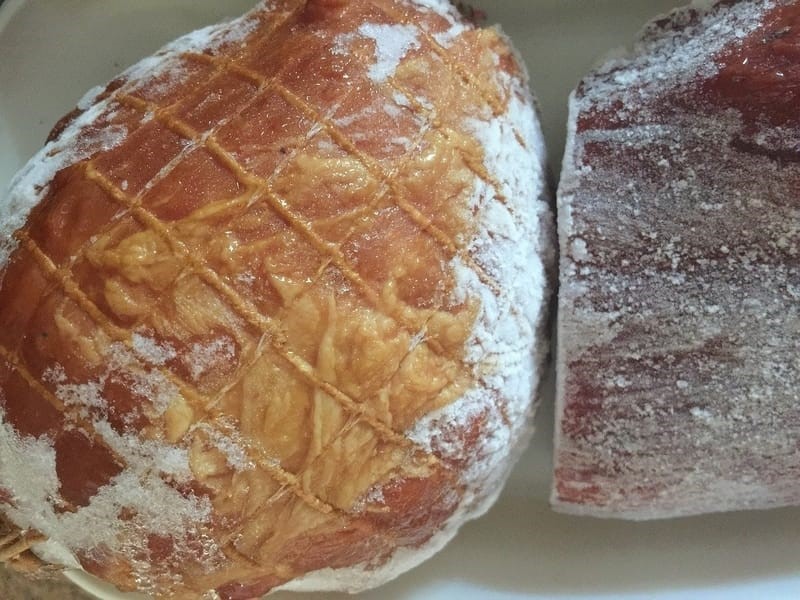
Thawing frozen product under refrigeration is probably the best way to thaw product safely and ensure that it will maintain its quality, especially when you’re thawing large items. Whole fish, roasts and other large items will take considerably time to thaw, and since your refrigeration units are kept below 41 degrees you don’t have to be concerned about the four hour window.

If you need product sooner, you can thaw under cold running water. If you choose this method, be sure to seal your frozen product in some way. A large water bath can spread pathogens and damage sensitive ingredients such as seafood. The last thing a guest will want to see is a jumbled pile of mush on their plate.

If you’ve frozen casseroles or soups, they can be cooked from frozen as long as they reach servable temperature in as short amount of time as possible.

While it’s acceptable from a food safety standpoint to use the digital chef to thaw product, a microwave really should be the last resort. With the exception of product designed to be cooked from frozen in the microwave, you’ll notice a steep decline in quality when thawing in the microwave versus other options. If you do thaw product in the microwave, it must be cooked immediately following the thawing process.

Are you a ServSafe food manager relying on frozen product during the winter months?
4 Simple Tips For ServSafe Managers Offering Holiday Takeout Service

ServSafe Managers Delivering Holiday Takeout Meals

With the current COVID-19 crisis and the limits on large gatherings in public places, we predict that many families who traditionally eat their holiday meals in restaurants will choose to order their family dinners for takeout rather than dine in a restaurant or banquet hall. Cooking and packaging large dinners for holiday festivities presents a challenge for food managers who may not be accustomed to this type of service. This week, we’ll take a look at how ServSafe Managers can overcome those challenges and offer advice on how to make sure the holiday takeout dinners you provide are safe from foodborne illness.

ServSafe Managers Delivering Holiday Takeout Meals
Image credit: Inna Tarasenko via 123rf

How ServSafe Food Managers Can Provide Safe Holiday Takeout

For most of the year, takeout is pretty simple. A customer calls in their order and then it’s prepared for either delivery or ready when a guest arrives to pick it up. The process for holiday style dinners will have to include a more detailed plan due to the nature of these types of meals. Turkeys, hams and pork roasts take much longer to cook, side dishes must be produced in greater quantities and restaurants will require much more hot-holding space if they wish to provide heated Thanksgiving and Christmas dinners to their guests. So how can ServSafe managers pull off holiday takeouts safely?

Here’s a few suggestions:

  • Require a deadline for pre-order
  • Provide defined pickup and delivery times
  • Package hot product in reasonable portions
  • Offer ready-to-cook meals

Preparing, cooking and packaging large meals is a huge endeavor, but you can make it easier by having an exact count of how many meals you’re required to prepare. Setting a deadline before your food supplier’s last delivery date before the holiday can give you an advantage. If you fail to adhere to a strict deadline, you run the risk of running out of product to fill orders or simply not having the production capacity to cook and prepare meals in the event of a massive influx of families looking for last-minute solutions. It’s also helpful to have precise times for guests to pick up their meals. This allows for an easier pace and will ease any congestion should we still be under COVID-19 capacity restrictions around the holidays.

In order to keep food safe from the spread of bacteria, it’s important to prepare food in reasonable portions. Most restaurants don’t have the hot-holding equipment to keep large amounts of roasts, turkeys, and hams out of the danger zone. Keeping reasonable portions on hand will allow you to prepare more food throughout the day and slice and package during the appropriate pickup window. Offering ready-to-cook meals is another option to reduce food-safety risks. If your customers can grab prepped meals and heat them at home, this will reduce your need for hot-holding and still provide an unforgettable holiday experience.

Do you plan on offering Thanksgiving, Christmas or other holiday meals for delivery and takeout?

Official Stay Safe MN Resource Guidance for ServSafe Food Managers

Official Stay Safe MN Resource Guidence for ServSafe Food Managers

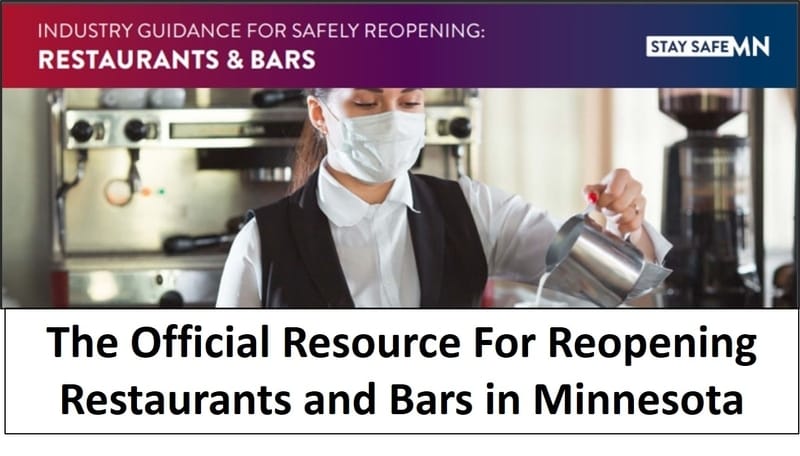
In order to reopen our food industry and continue to slow the spread of Corona Virus, the state of Minnesota has put together guidance for bars, restaurants and other eateries to follow for a safe reopening. While we’ve covered many of the individual aspects of reopening, we’d like to draw your attention to a recently released document that contains the guidance for reopening food establishments must follow during the phased reopening process. ServSafe food managers should print this Stay Safe MN resource document out for reference and to ensure they are continuing to follow reopening guidelines.

Official Stay Safe MN Resource Guidance for ServSafe Food Managers
Image credit: Stay Safe MN

Stay Safe MN Resource for ServSafe Food Managers

Minnesota’s Stay Safe MN for restaurants outlines several different aspects of reopening procedures. Some vital information contained in this official document for ServSafe Food Managers includes:

  • Social Distancing Protocol
  • Employee Health and Hygiene Monitoring
  • Guidance Guests and Customers Should Receive
  • Equipment Regulations
  • Mask and Face Covering Protocol

Now that all of these rules are listed in one place, ServSafe food managers finally have a one-stop Stay Safe MN guide to the regulations in place during this current stage of reopening. In future blogs and newsletters, Safe Food Training will continue to expand on the guidance outlined in this document as well as continue to alert food service managers and business owners to any new changes as we progress through Governor Walz plan to reopen economy and foodservice industry.

Are there any rules from Stay Safe MN you’d like to see covered in more depth?

ServSafe MN Guide to Outdoor Seating and COVID-19

Servsafe MN Guide to Outdoor seationg during COVID-10

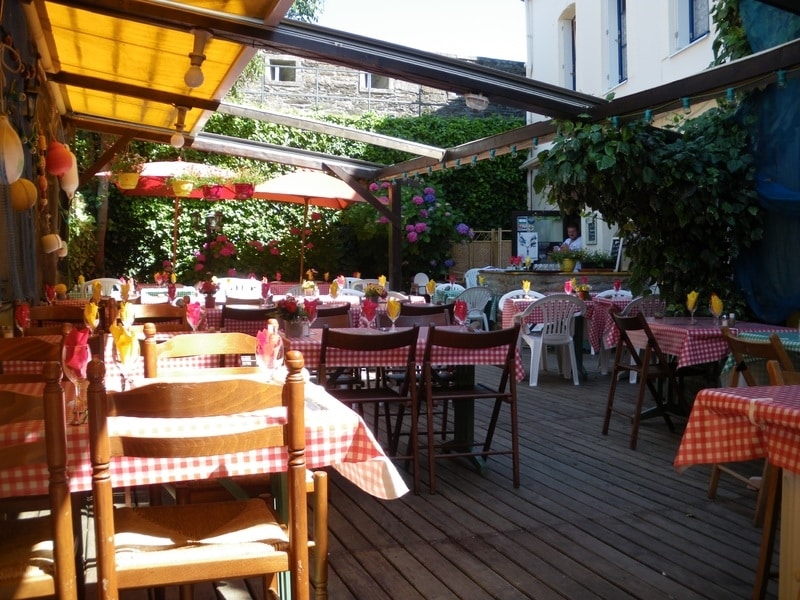
With the gradual reopening of business in Minnesota, restaurants, bars and eateries have been given the go-ahead to begin sit-down service as long as all seating is outdoors and meets certain criteria. Today, we’d like to give you a brief overview as to what the rules are concerning outdoor seating during this phase of reopening Minnesota during COVID-19 and provide a few ServSafe MN tips on how to serve your customers better under these regulations.

ServSafe MN Guide to Outdoor Seating
Image credit: PxHere

Outdoor Seating and ServSafe MN Tips During Corona Virus

Minnesota restaurants are able to serve guests in person starting June 1st, but it’s important to emphasize that all seating must occur outside. Here’s a quick breakdown of outdoor seating regulations:

  • Reservations are required
  • Employees must wear masks, guests encouraged to wear masks when not eating
  • No more than 50 total people, guests and staff, on the premises
  • Tables must be separated by at least six feet
  • No more than four guests from different households at one table, up to six if all members reside together

The interesting thing here is that guests must have a reservation before arriving at your restaurant. This can be hard to accomplish for restaurants who are not normally accustomed to taking reservations. Make sure that you space out reservations to ensure there is little chance for an overlap that creates a situation where several guests may be forced to congregate near your restaurant with other guests who may not be in their party.

Masks have been required since restaurants were given the ability to provide takeout service, so hopefully your staff will be used to wearing them by now. The unfortunate part is that now there will be more interaction with guests and the mask presents a communication issue. If you have access to a portable POS system such as a table-top kiosk or tablet where guests can place their own order, this may smooth the process and allow diners to place their order remotely. Please note that regulations ask you to recommend guests wear masks when not eating.

Finally, make sure that all tables are six feet apart. This recommendation doesn’t exclusively refer to the physical table itself, but the table and the space guests occupy around it, so you may wish to provide a little extra buffer room for guests to maneuver in the outdoor dining area. These tables cannot be occupied by more than four guests unless they are from the same household, then you’re permitted to seat up to six at the table.

Make sure that your staff is trained in the current ServSafe MN sanitation guidelines before you open with outdoor seating, and hopefully, Minnesota will soon be on the path to recovery and a thriving restaurant industry.