ServSafe Food Manager Certification and Public Health

ServSafe Manager Certification and Public Health

Gaining your ServSafe food manager certification qualifies you to oversee food preparation in a restaurant or production facility and it comes with an obligation to ensure that your product is safe for the consumption of the public. This responsibility to the health of your customers is unique to the food industry and at many times requires supervisors and food service workers to make sacrifices that adversely affect them in order to protect public health.
ServSafe Food Manager Certification and Public Health
Image credit: Wikipedia

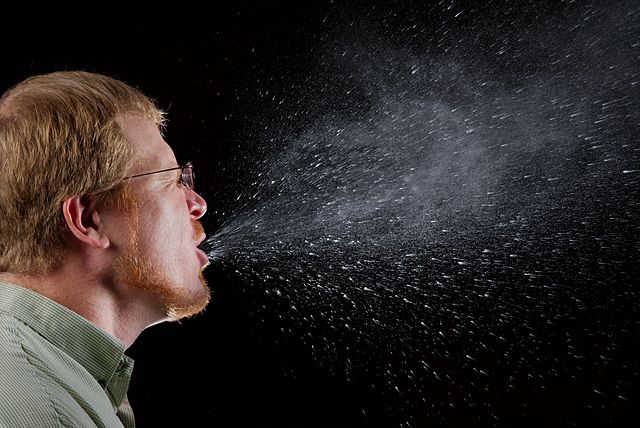
The requirement to stay home from work when sick often puts food service workers in a bind. Many other professions don’t have this restriction, allowing professionals outside of the food industry to go to work when under the weather. Food service employees must use up sick days, vacation time or forgo a day or two of pay to prevent the spread of their illness.

Evidence of food workers ignoring their health symptoms and working anyway becomes evident in news reports of Norovirus outbreaks. The Norovirus is easily spread by infected workers or exposed workers who fail to wash their hands properly. Whether it’s only one guest or several, diners who contract the Norovirus take that out into the world once they leave the eating establishment. This results in putting their friends, family and co-workers at risk of second-hand contamination.

The good news is that most supervisors take pride in their responsibilities and follow what they’ve learned during ServSafe food manager certification training. Many of them sacrifice for the greater good and stay home when ill and even days after to recover. An important key is to take care of yourself in order to reduce the chances of becoming ill and staying healthy enough to work every day.

Working with food comes with many challenges that don’t exist for most of the workforce. Are there any issues you’d like us to discuss in the future?

ServSafe Food Manager and Allergy Education

Allergy Action Plans and the ServSafe Food Manager

As a ServSafe Food Manager it’s important that the staff be familiar with your allergy action plan. While most food service workers know about food allergies and feel they can accommodate customers with allergies who visit their establishment, educational gaps occur in some facilities concerning how allergies work and what to do in an emergency situation. The CDC recently conducted a study seeking to find how much restaurant staff actually knew about the topic and came up with some interesting findings.

Allergy Action Plans and the ServSafe Food Manager
Copyright: baibakova / 123RF Stock Photo

Allergy Action Plans and the ServSafe Food Manager

One illuminating fact this study shows is that allergies are more common than many ServSafe food managers realize. One in 13 children suffers from some form of food allergy, while one in 25 adults must avoid certain foods. The severity of reaction varies from person to person, but some react by coming into contact with allergens without even ingesting the ingredient.

Since some of these reactions cause severe distress, and possibly death if emergency help does not arrive in time, having a plan in place prepares your staff to deal with guests with allergies. Some things you should teach your employees include:

  • What common allergens exist in your facility
  • Some customers cannot consume even small amount of certain items
  • How to react if a guest has a reaction

Knowledge helps keep your guests safe. Some of your patrons will not be able to consume common items such as nuts, dairy or shellfish. Teaching your cooks and service staff how these ingredients are used can help steer guests away from certain dishes.

If a guest has a reaction, get help immediately. Some reactions happen from minor contact and should not be waited out to see if the guest recovers. Call 911, and if a guest wears an allergy alert bracelet relay that information so that emergency responders can be prepared.

Integrate allergy training to make sure your staff feels confident in serving diners with allergies. Some outlets nominate one or two employees, one of them their designated ServSafe food manager, to receive extra training and pass that knowledge on to staff members and personally handle guests questions about allergens on the menu.

Do you have an allergy action plan? If so, feel free to share in the comment section below.

Breaking ServSafe MN News: The Norovirus Strikes Local School

ServSafe MN news- Norovirus outbreak at Minnehaha Academy

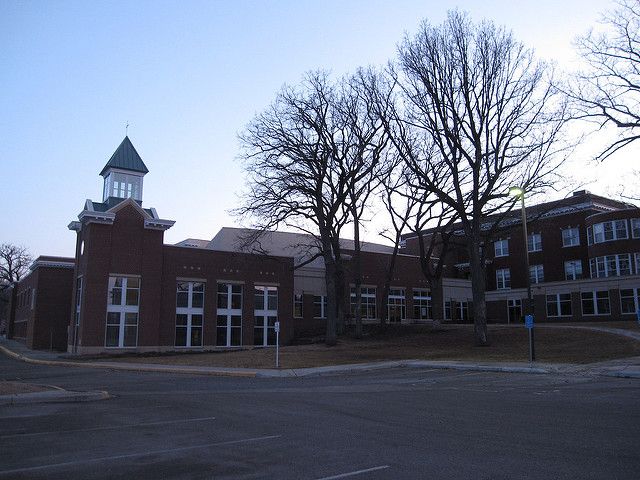
ServSafe MN News: According to a report on MPR Radio an outbreak of the Norovirus caused Minnehaha Academy to close its doors for several days after dozens of students and faculty members fell victim to the illness. With such a large outbreak, the facility felt it necessary shut its doors in order to prevent further spread of the virus and ensure the safety of its students.

ServSafe MN news- Norovirus outbreak at Minnehaha Academy
Photo credit:Ed Kohler via Flickr.com

Cleaning Up After a Norovirus Event

The Norovirus is one of the most contagious food-borne illnesses. We recently covered this topic in a previous article, but, just to review, some of the Norovirus symptoms include diarrhea, vomiting and dehydration. While rarely life threatening, we cannot ignore the severity of any Norovirus outbreak.

In cases such as the one which occurred at Minnehaha recently, a major outbreak requires major cleanup. The Norovirus spreads from unwashed hands, saliva and contact with other bodily fluids that have been infected. It can live on utensils, hard surfaces and contaminated food for an extended period of time. That means that after an outbreak nearly anything can be affected.

If your facility experiences outbreak of the Norovirus, we urge you to take the following steps:

  • Clean and sanitize all food preparation surfaces
  • Dispose of potentially contaminated food product
  • Wash and sanitize all utensils and serving wear
  • Work with your local health department to facilitate cleanup

Remember, that the best way to prevent an outbreak of any type of food-borne illness is diligence. Remind your staff not to work while sick, and if they have had Norovirus symptoms to refrain from working for several days after symptoms have disappeared. The Norovirus can still be active after a victim has appeared to have recovered. Use good sense and sanitize preparation surfaces frequently, and review proper hand washing procedures with your team.

If you would like to schedule a ServSafe MN review of how to prevent food-borne illness, we can help with both instructor led and online courses tailored to your specific facility.

New Year’s Online Food Manager Certification Renewal

New Year’s Online Food Manager Certification Renewal

This month, we celebrated a huge milestone and released our 100th food safety blog. While we could rest on our laurels, we are going to renew our dedication to helping keep the food produced in our state as safe as possible. With the ringing in of the New Year, we resolve to continue providing convenient HACCP online training and certification, informative instructor led classes and pertinent information and food safety tips in our blog. This is also a time for food service workers to reflect on the past year, and prepare to continue in their efforts to keep their guests safe. One way to do that is to make sure that all of your certifications are in order.


Online Food Manager Certification Renewal

For ease of record keeping and in order to stay compliant with the Minnesota food code, a copy of all employees’ food safety certifications should be readily accessible. We also recommend sorting your employee food handler’s licenses by date of expiration, so that you know which employees are due to take a renewal course.

The New Year is the perfect time to remind your staff to take care of their food safety training. January tends to be a slower month for the food industry, so finding the time to schedule classes and examinations is easier when business is slow.

We understand that employees are also brought on at many times of the year, so diligence is necessary year round, but we have heard from food industry managers that training employees in groups rather that one at a time over the course of the year makes for a smoother process. If you have several employees that are due for renewal within a reasonable time frame, it is not uncommon to renew a few employees’ certifications well before the expiration date.

Finally, this is also a good time to make sure that your designated food safety manager has their certifications up to date. There are multiple certifications that the state of Minnesota accepts, and depending on which one your company requires, January is a good time to take an online food manager certification course for:

  • • Certified Food Safety Manager (NRFSP)
  • ServSafe
  • Prometric certified Food Manager
  • Learn2Serve Protection Manager

NRFSP and ServSafe are the two most commonly taken training courses, and we can help tailor a course that specifically addresses your needs whether you require full staff training or simply need a refresher course before taking any renewal exam.