The MN ServSafe Certified Food Manager and Contaminated Product

The MN ServSafe Certified Food Manager and Contaminated Product

As a MN ServSafe certified food manager, you take care to ensure the food you serve is safe for your customers, but there may be occasions when certain things beyond your control could potentially endanger your customers. Your shipment of fresh spinach may look clean or your case of micro greens may be labeled ready to serve, but microscopic particles of E.coli and fertilizer from the soil may be hiding on the surface. Ground beef shows no signs if it has been handled by an infected production worker during packaging, and farm fresh eggs do not come with a warning flag that their surface has come into contact with salmonella. This week, we’d like to offer a few tips to help you keep items commonly contaminated during production safe for your guests.

The MN ServSafe Certified Food Manager and Contaminated Product
Image credit: Altus Air Force Base

MN ServSafe Certified Food Manager and Product Unknowingly Contaminated During Production

There are many cases where contaminated product is only discovered after an outbreak of food-borne illness has begun. A lot of outbreaks trace back to a certain ingredient’s origin rather than the food service provider who prepared the final product. So if the initial contamination comes from outside of your facility, is there anything a MN ServSafe certified food manager can do to prevent a guest from consuming contaminated product?

Even if a raw product contains undetectable pathogens, there are steps you can take to keep it safe, even if the contamination has not come to light. Here are a few pointers for commonly infected items:

  • Wash all fresh produce, even if the label reads “ready to eat”
  • Keep an eye on refrigerated storage temperatures to ensure product is always out of the danger zone
  • Always cook product to the appropriate cooking temperatures
  • Avoid loose storage of eggs

While a fresh vegetable product may be labeled as “ready to eat,” we have seen incidents where these pre-washed products have caused food-borne illnesses. A few seconds of prevention will always be worth the effort.

We’ve also seen facilities that unpack whole eggs and store them loose in the same bin. While this may not be a health violation, it does increase the risk that salmonella on the shells or from broken egg can be passed from one egg to another and multiply. With recent outbreaks of salmonella from shell eggs, we feel that taking steps to prevent eggs from coming into contact with each other could help prevent the spread of illness in the event your eggs have arrived unknowingly contaminated.

Do you take extra precautions with ingredients that are commonly recalled, or do you take extra precautions with every ingredient you bring in?
What does HACCP mean for ServSafe Food Managers?

What does HACCP mean for ServSafe Food Managers

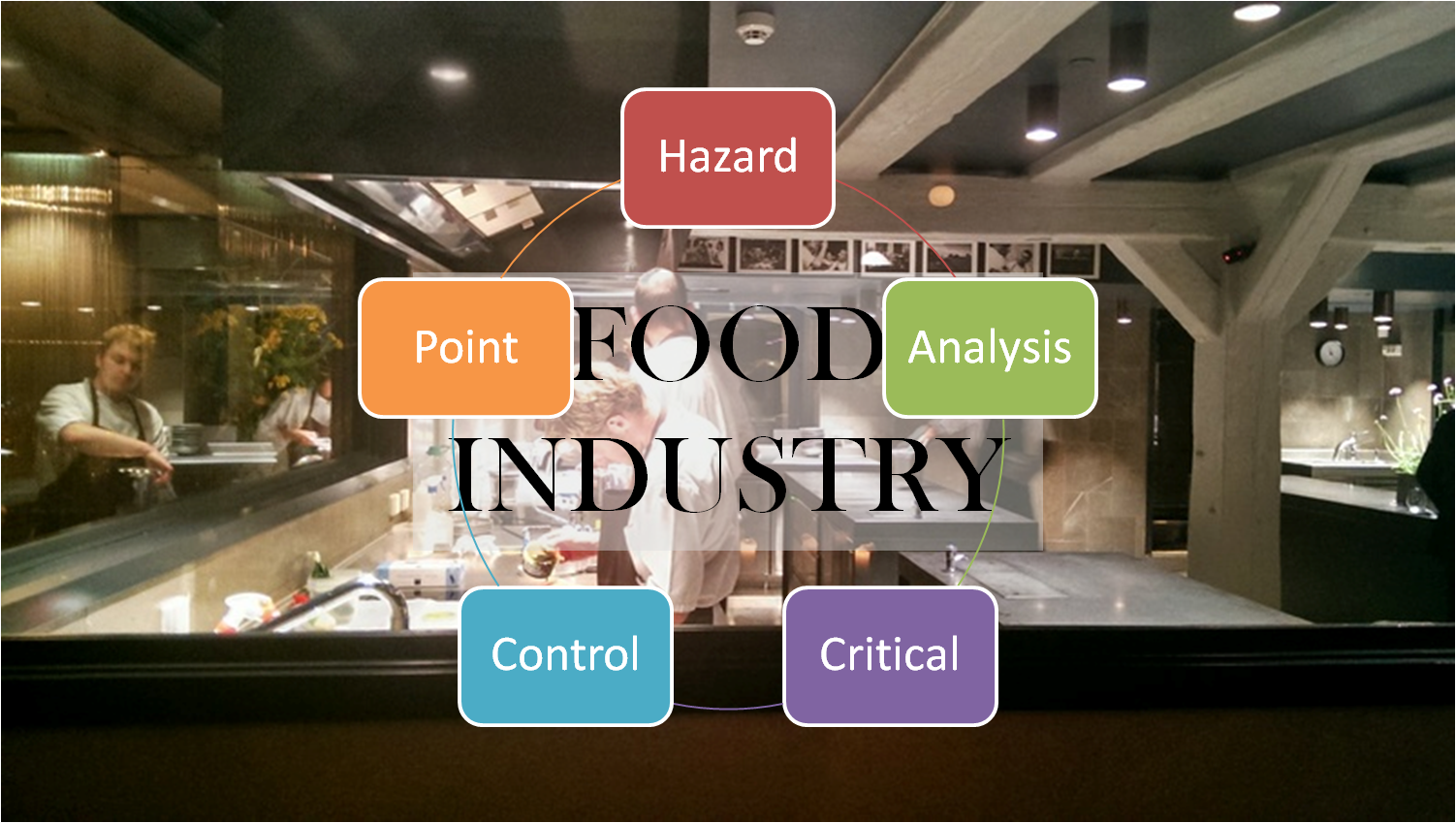
Every so often, ServSafe food managers will come across literature from the FDA or other sources that refer to HACCP procedures. HACCP (Hazard Analysis and Critical Control Point) is a common system for reducing the risk of spreading food-borne illness and keeping the food supply safe. While HACCP standards and action plans are not commonly required in restaurants, many food-producing outlets and raw ingredient suppliers must follow these guidelines.

What does HACCP mean for ServSafe Food Managers

What is HACCP?

HACCP is not quite as complicated as it may sound. The intent of this system is to identify potential food-safety hazards and then take steps to keep food production safe. The basic outline of a Hazard Analysis Critical Contol Point plan looks something like the following:

  • Evaluate and identify potential hazards in production
  • Identify critical points and establish controls to prevent hazards
  • Establish procedures to monitor and measure
  • Correct hazards
  • Keep records of hazards and correction procedures

Whether your facility follows the FDA’s HACCP system or not, these are still steps ServSafe food managers should take. Every facility has its potential hazards whether they come from hot holding, chilling of cooked product or the risks of cross-contamination in storage or prep stations. Once these potential risks are identified and assessed, it is important to monitor them to ensure food safety. This monitoring can come in the form of routine measurement of temperatures, verifying that proper storage and sanitation procedures are followed or any other step that helps keep food safe at these critical points of production.

ServSafe Manager Certification and Protection from Food Tampering

ServSafe Manager Certification and Protection from Food Tampering

Most of the food-borne illness threats that we look at usually come from inadvertent contamination due to either a lack of training, negligence or an infected food source, but the threat of intentional contamination exists and steps should be taken to prevent this kind of scenario.

Food Terrorism and ServSafe Manager Certification
55830618 – cardboard egg tray with chicken eggs. social concept: stop terrorism. angle view.

Food Terrorism and ServSafe Manager Certification

Few ServSafe manager certification courses cover the prevention of intentional food tampering, but according to the Food Safety Modernization Act (FSMA), certain food production facilities must take steps to prevent hazards from being intentionally introduced into the food production process that could cause wide-spread effects.

In a recent interview, advisors from the FDA’s Food Defense and Emergency Coordination staff provided some insight into the rule and how to keep food safe.

One key component of this rule is the identification and protection of areas of vulnerability. The article discusses open storage containers and mixing vats as potential targets for someone trying to tamper with your food. Other vulnerable sites in food production facilities could include outdoor gardens, unattended receiving areas or unsupervised areas of the kitchen after hours.

ServSafe Manager Certification and Protection from Food Tampering
Image credit: ANDRII POPRAVKA,123

Food defense has long been voluntary, and many facilities do have safety standards in place to prevent malicious tampering with their product. The food defense requirement of the FSMA for large businesses takes effect July 26, 2019 and July 26, 2020 for small businesses with under 500 employees. Very small businesses may be exempt from these rules, but they must provide documentation that they are exempt by July of 2021.

Thankfully, the chances of an intentional food-poisoning outbreak are miniscule whether on a mass scale or at a smaller level. Do you do anything to prevent tampering with the product you prepare and serve at your facility?

ServSafe Online Certification During Busy Times of the Year

ServSafe Online Certification During Busy Times of the Year

During the holiday season, many restaurants are busy and need their staff fully trained and ready to work. There could be times during this hectic time of the year when your establishment needs to bring in a new food safety manager or have other staff members who still require their food safety training. Online certification may be the best option in this scenario.

ServSafe Online Certification During Busy Times of the Year
Image credit: Wonderval via Pixabay

ServSafe Online Training

While an instructor led course gives students the experience of learning in a classroom environment from an engaging teacher who is ready to answer any questions that arise, occasions do occur where your business cannot be without a fully trained manager while you await the next scheduled training session. If you have a situation where you’ve just hired a new employee and need certification right away, the benefits of a ServSafe online certification course include:

  • Online courses do not adhere to a specific schedule, they can be taken day or night.
  • There is no need or travel to take the training. Online courses can be taken from your place of business or a student’s home.
  • Online training is perfect for experienced food safety managers who may only need a refresher course before testing.

Taking a test online not only speeds up the process during your busier times, but can also be a handy tool when it comes time to renew your certifications. We always suggest to keep a copy of your training materials after you have finished your training courses so that you’ll have a guide when it comes time to review for recertification testing.

At Safe Food Training, we’ll gladly meet your online food safety training needs if you have employees who need certification right away and cannot make one of our scheduled instructor led classes.

Do you enjoy the convenience of online testing, or would you prefer to send your staff to an instructor led course?