FDA Requesting ServSafe Managers Input For Food Safety Changes

FDA Requesting ServSafe Managers Input For Food Safety Blue Print

The FDA recently issued a public statement offering ServSafe food managers and other professionals in the food industry the chance to participate and comment on a meeting titled “A New Era of Smarter Food Safety.” We think this is an incredible opportunity to learn about the FDA’s blueprint for the future of food safety.

FDA Requesting ServSafe Managers Input For Food Safety Blue Print
Image Credit: US Food and Drug Administration

FDA Smarter Food Safety Forum and ServSafe Manager Input

The FDA’s public meeting is scheduled to take place in Maryland on October 21st. If you’re interested in attending but unable to travel to MD with only a week’s notice, the FDA has set up a method for the public to attend via online webcast. This webcast will be free to view, all you have to do is submit your registration via an online form.

According to the release, the FDA plans on discussing:

  • The role of digital technology in tracing the origin of contamination
  • Making preventative controls more effective and efficient
  • Food safety challenges of evolving business models
  • Leveraging proven organizational models to enhance compliance with food safety practices

While a lot of the issues that are being discussed appear to be with what happens with food before it reaches the restaurant and food production sector, it’s quite interesting to see where the FDA plans on taking food safety in the future. All four of these major topics could change inspection procedures and stop outbreaks before they start by quickly finding the source of contamination and preventing it from even happening in the first place.

Once the seminar has been completed, a full transcript of the event will be made available on an updated events page. After the transcripts have been released, ServSafe food managers and the public will have a month to comment electronically or by mail. For more information on agendas for these events and how to provide comments and feedback once the meeting has concluded, check out the FDA’s official request for public comment.

We’ll provide an update on topics covered and explore the commenting process once more information is available.

For quick reference, here are links to important information:

Do you like the idea of the FDA being more open and allowing the ServSafe managers and the public to view and comment on these food safety related sessions?
ServSafe Food Training and Washing Raw Proteins

ServSafe food training for raw chicken

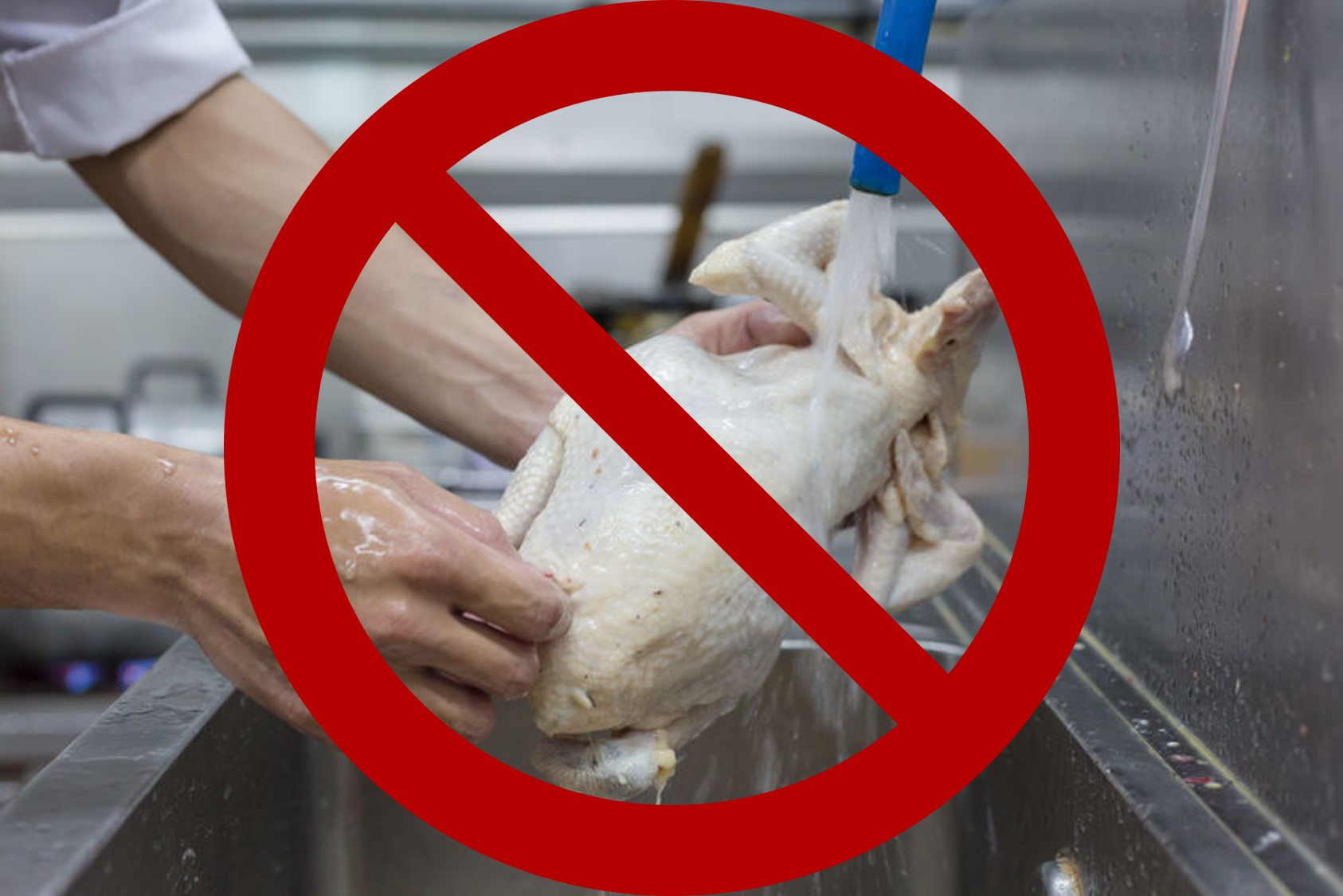
In April, the CDC tweeted a warning concerning the dangers of washing or rinsing raw chicken. If you’re active on Twitter, you can probably imagine the storm of retweets, comments and controversy this simple tweet caused. This week, we’ll take a look at what ServSafe food training says about this issue.

ServSafe food training for raw chicken
Image credit: Wasant Tonkun via 123rf

Washing Chicken and ServSafe Food Training

Perusing the Minnesota food code and ServSafe food training materials, we find no definitive ruling saying that washing raw chicken is prohibited. However, if you feel the need to wash your raw poultry before production, steps must be taken to prevent the spread of bacteria from cross contamination.

First, never wash your chicken, or any other food product, in sinks that are designated for dishwashing. Washing or rinsing raw chicken near dishes creates the potential for contaminated water to splash onto areas where clean may be. You also run the risk of exposing your chicken to dish-washing chemicals.

If this is a regular occurrence in your facility, mandate a designated sink for this purpose. Having a raw protein area will reduce the risks of salmonella or other pathogens from coming into contact with counters, utensils or other food product that will not be cooked to high enough temperatures to kill bacteria.

Finally, thoroughly sanitize sinks and utensils used to rinse raw chicken as soon as possible. Salmonella bacteria will spread and multiply and there will be an increased risk of cross contamination if the preparation area is not taken care of immediately.

These procedures shouldn’t only apply to rinsing raw product. You should take the same precautions when thawing raw chicken and other items that contain bacteria under running water. Bacteria can spread from thawing food just as fast fresh, raw proteins.

The intent of the CDC’s tweet was probably intended for people cooking at home, but it can be a warning to take care even for food service professionals. What causes an isolated food-borne illness at home has the potential to create an outbreak when food is improperly handled on a greater scale.

ServSafe MN Basics for the Twelve Dirtiest Foods

ServSafe Basics for 12 Dirtiest Foods

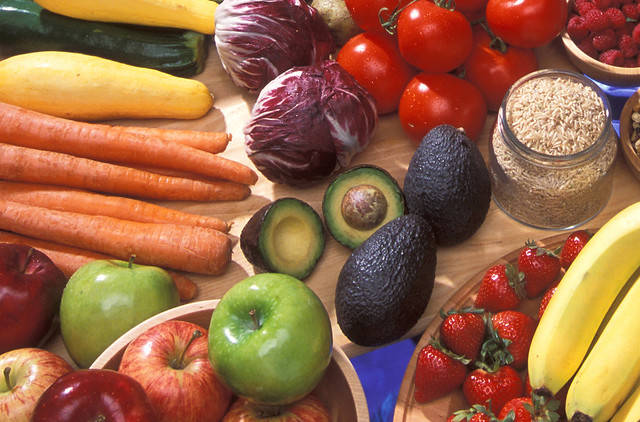
Recently, a food safety watchdog group published its list of 12 produce items that test most frequently for traces of pesticides, and there are a number of surprising foods on this list. This week, we’ll take a look at the list and provide and a ServSafe MN basics review for proper produce handling.

ServSafe Basics for 12 Dirtiest Foods
Image credit: U.S. Department of Agriculture

The Dirty Dozen and ServSafe MN Basics

As you can imagine, several foods grown in the dirt make an appearance on this list. Kale, potatoes, strawberries, spinach and celery make this notorious list. These foods grow close to or in the ground, and therefore close to bugs, snails and slugs, so many farmers treat their fields with some form of pesticide to protect their crop.

Tree fruits also figure prominently on this list. Apples, pears, peaches nectarines and cherries often test positive for pesticides, and vine and bush products such as tomatoes and grapes round out the list.

It’s important to note that there are no recalls or major warnings from the USDA concerning any of these fruits and vegetables. In fact, levels of pesticides found have not been labeled as dangerous or evaluated by any official agency, so let’s not panic and stop serving these items. It is, however, important information that serves as a reminder to review our ServSafe MN basics when it comes to handling raw produce.

Always inspect produce upon delivery. If you notice and odd smells, discoloration any type of sheen which looks chemical in nature, you may wish to consider rejecting shipment or asking for an exchange. Inspection on delivery is the first line of defense against serving contaminated food.

Make sure you wash all produce before serving, preparing or cooking. Pesticides can spread to other foods, leave residual traces on cutting boards and be consumed by guests, so washing produce is key.

Do you take extra precautions with certain ingredients, or do you carefully wash and inspect all produce regardless of type?

New MN Food Code Thermometer Rules

New MN Food Code Thermometer Rules

Starting January of next year, a new MN food code becomes effective. One altered rule from the previous code involves the types of thermometers that food managers use in their kitchens. This week, we’ll break down the new MN food code thermometer rules change and discuss changes to temperature requirements.

Image credit:King Arthur Flour an authorized dealer for ThermoWorks products

New MN Food Code Thermometer Rules Guide For ServSafe Food Managers

The new food code rules involving thermometers ensures that ServSafe food managers get proper readings when checking the temperature of their product. In order to do this, the new code restricts the use of standard bi-metallic stem thermometers. These standard thermometers can now only be used to gauge the temperatures of larger food items such as roasts or hot liquid products such as sauces or soups in a pan deep enough to submerge most of the stem.

For thinner food items such as chicken breasts, beef patties and any other thin item, a small-diameter probe thermometer must be used. These are more accurate, and, due to their relatively small size, they can be completely inserted into most foods without having their readings compromised if the probe is too close to the outside surface of your product.

Along with the required use of a small-diameter probe, the Minnesota Department of Health has elected to make a small change to hot-holding standards. Hot-holding temperatures have been reduced from 140 degrees to 135 degrees. Research has sufficiently shown that bacterial growth can be sufficiently controlled at 135 degrees. This five degree reduction gives ServSafe food managers the opportunity to serve a higher quality product while hot holding their foods.

How do you feel about the new regulations involving small diameter thermometers?