Special ServSafe Tips For Serving Raw Fruits And Vegetables

ServSafe Tips for Serving Raw Fruits and Vegetables

On November 17, the CDC announced a new multistate outbreak of Salmonella illnesses that has been linked to cantaloupes. Those who have studied ServSafe in MN know that incredible care must be taken with meats, dairy, and eggs in order to prevent food-borne illness, but potential issues with raw fruits and vegetables are frequently overlooked.
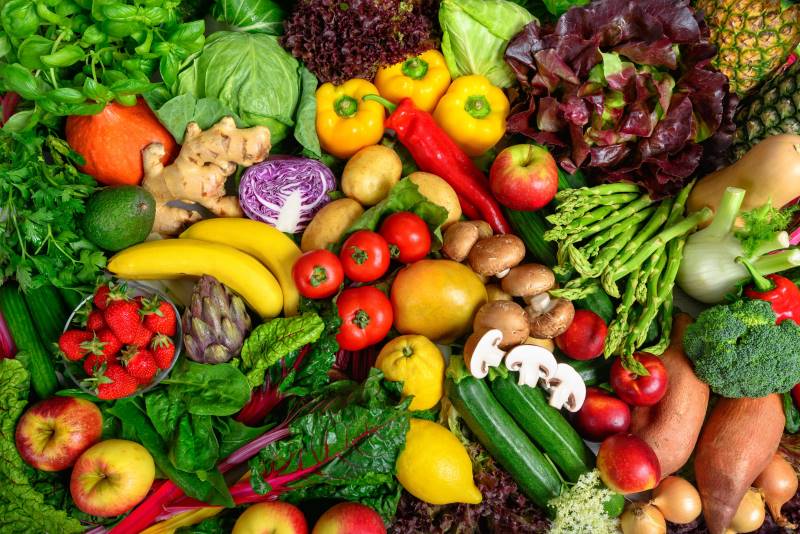
Special ServSafe Tips For Serving Raw Fruits And Vegetables
Image credit: smileus via 123rf

ServSafe Tips for Preventing Food-Borne Illness from Raw Fruits and Vegetables

The first step in preventing the spread of foodborne illness is to wash raw produce. It may be easy to cut fruits and vegetables such as tomatoes, cucumbers, and oranges that appear to be ready for preparation, but just because something looks clean and ready to eat does not necessarily mean that it is. Invisible remnants of soil, fertilizer, or other contaminants may still exist on the surface.

There are certain fruits, such as melons and tree fruits, in which the rind is not eaten. Those should still be washed or peeled before serving. There have been cases where food-borne illness has spread from bacteria on the rinds of melons or citrus fruits. Bacteria can be spread by a lemon sliced and used as a garnish in a glass of water or from a slice of cantaloupe in which the knife used to slice it has picked up contaminates from an unwashed peel.

Common Raw Fruits and Vegetables that Cause Food-Borne Illness

While any raw fruit or vegetable can cause food-borne illness, and steps learned in ServSafe MN should be used to prevent tainted food from reaching customers, a few specific items should be given extra care.

  • Sprouts
  • Melons
  • Leafy greens
  • Root vegetables

Sprouts have become such a hazard for food-borne illnesses that many restaurants and stores have stopped selling them. Before serving uncooked sprouts, particular attention should be taken to ensure they have been thoroughly cleaned.

Melons, especially cantaloupe, have been a notorious hazard in recent years. The rugged rind of the cantaloupe can shelter bacteria from a quick wash.

Leafy greens and root vegetables grow in or near the soil. This means having more contact with dirt, natural and chemical fertilizers, and other contaminants. These items should be thoroughly washed, and root vegetables to be served raw, such as carrots, should be washed before peeling to prevent bacteria from contaminating preparation utensils.
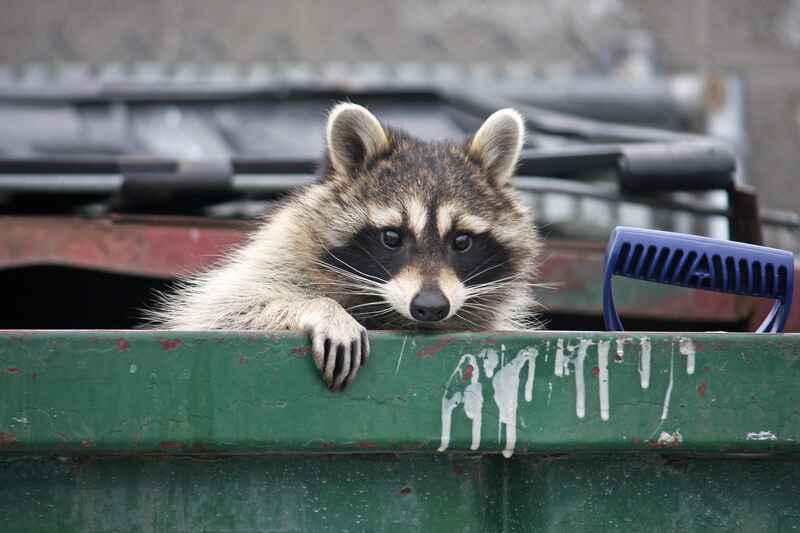
ServSafe MN Tips For Keeping Pests Out Of Your Garbage

Most pest problems at food service facilities don’t begin inside the building but from the outside. Recycling bins, dumpsters, garbage cans, and food composting containers can attract insects, rodents, raccoons, and other invasive creatures that pose food safety risks and potentially eat into your business’ profits. We will provide ServSafe hints to help eliminate pest problems at your facility.

ServSafe MN Tips For Keeping Pests Out Of Your Garbage
Image credit: Dollarphoto

ServSafe MN Info for Keeping Pests from Getting into Your Facility

Reducing waste can help reduce your pest risks. However, there is no way to eliminate garbage, recyclable containers, and food scraps completely. Steps can be taken to prevent pests from inhabiting the areas where your garbage is stored until trash day.

  • Keep areas around trash bins clean
  • Bag all garbage
  • Rinse recyclables
  • Keep lids to trash receptacles closed
  • Seal and lock compost and food recycling containers

“To reduce the risk of rodents, it is essential to maintain cleanliness in your trash storage area. However, simply picking up spilled trash may not be sufficient to keep away odors. Servsafe managers know that certain pests, such as rodents, have a heightened sense of smell, so if you have a significant garbage spill, you may want to hose down the area to prevent odors from lingering. Bagging all garbage is also an effective way of reducing odors from attracting unwanted creatures. Rinsing bottles and cans will help keep pests, especially insects, away from your facility. If no food residue is left in your recyclables, there will be very little to attract pesky bugs. Once your trash and recyclables are in the appropriate receptacle, making sure the lids are closed is essential to keeping smaller animals from exploring what’s inside.

Secure Compost Containers

One current waste reduction trend is to compost the waste from vegetable products for gardening use around company property. If your facility composts, it’s essential to keep your composting bins sealed, and it may even be a good idea to keep them locked and away from the building. Purchasing plastic bins that are designed for this purpose will do the most to prevent attracting animals.

As with most food safety hazards, prevention, cleanliness, and diligence are the keys to keeping pests out of your outdoor trash storage areas. At Safe Food Training, we like to hear ideas from local food-certified managers. What ServSafe tricks do you use to keep pests out of your trash storage areas?

3 Fantastic Insider Wardrobe Considerations For ServSafe Trained Employees

Hair restraint demo for ServSafe work wardrobe

Whether your uniform accessories are there to add style, provide convenience or a celebrity TV chef makes it look cool, there are several uniform quirks that every ServSafe MN trained employee should avoid. The list of uniform components that pose as food safety hazards can be quite extensive. However, we would like to focus on three components that ServSafe-approved kitchen attire should never include.

Three ServSafe Wardrobe Components to Kick Out of the Kitchen

Anything that you add to your work dress instantly becomes susceptible to the same contamination risks as the rest of your uniform. We believe that a ServSafe based uniform policy should not allow the following three things:

  • Dry towels attached to uniform
  • Arm and hand jewelry
  • Baseball caps as head coverings

Many food workers feel that it’s convenient to loop a dry towel around apron strings or sling it over a shoulder. It keeps your towel handy and readily available when a plate or cutting board needs a quick wipe. Unfortunately, the apron is a common collector of dirt, grease, and debris in the kitchen. The shoulder of your uniform can become contaminated with sweat and other bacteria. Keep your dry towels stored in a clean place that will allow them to be easily accessible when needed.

The regulations concerning jewelry in food preparation facilities are often overlooked. The food code prohibits wearing anything other than simple wedding bands and plain rings. Arm and wrist bands, rings, and other accessories can often go unnoticed, particularly by front-of-the-house staff in restaurants. If an employee requires a medical alert bracelet, they can replace it with a necklace or anklet. Management should also be informed about employees wearing such jewelry. It can be quickly located in the event of a medical emergency.

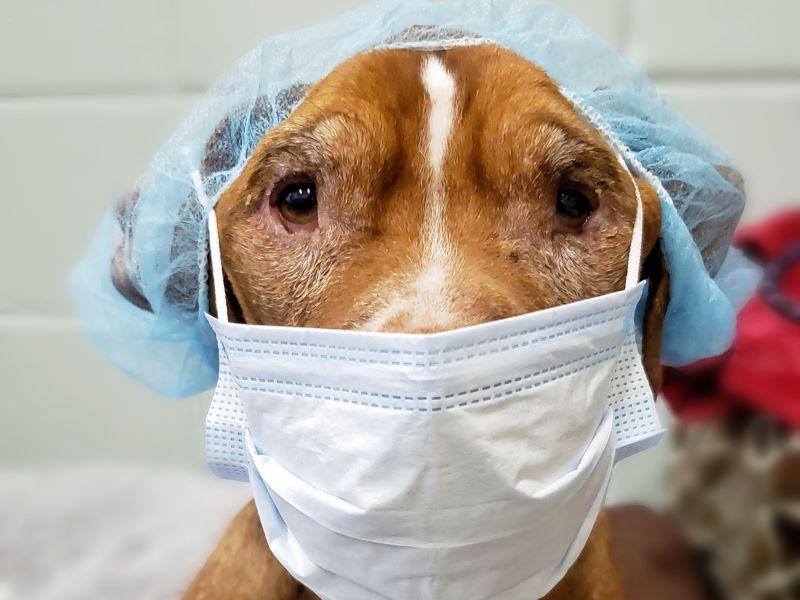
A shelter dog demonstrating hair and beard restraint approved by ServSafe kitchen dress code
ServSafe approved kitchen wardrobe. Image credit: Babylon Animal Shelter

Baseball Cap Safety Issues

While the Minnesota Food Code concerning head coverings doesn’t disallow baseball caps, we feel that there may be a few ServSafe based contamination concerns with incorporating them into your dress code. Most ball caps are crafted from absorbent cloth, and the bills are generally constructed from cardboard lined with soft material. Over time this cloth and cardboard can become saturated with sweat, steam and other substances. This creates a potential breeding ground for bacteria. We recommend keeping paper head coverings or hair nets as they are ideal. However, we understand that baseball caps are more comfortable and familiar, so if they are part of your dress code, please keep them clean and replace them regularly.

These three items seem like they are simply providing style, comfort and convenience in the work place, but unfortunately they also create contamination dangers. By making it policy to eliminate them, you can make the cleanest kitchen even safer.

Safe Food Training provides ServSafe MN training and exams, but we source our regularly scheduled courses from NRFSP. We rely on their expertise to ensure the highest quality training for our clients. Minnesota Department of Health, Environmental Services accepts both ServSafe and NRFSP exams for Food Protection Manager Certification in MN. Click this link for more information on ServSafe MN.

ServSafe MN Tips for A Bacteria Free Steamer

ServSafe MN Tips for A Bacteria Free Steamer

The industrial steamer has become a vital tool in many kitchens. It streamlines production and takes the place of makeshift steamer pans on your range or flat-top grill. There are risks, however, in taking this key piece of equipment for granted. Food-borne illness can arise as a result of lack of maintenance. We will introduce some ServSafe MN tips to keep your steamer safe from harmful bacteria.

ServSafe MN Tips for A Bacteria Free Steamer

Image credit: Photo credit: www.foodservicewarehouse.com

ServSafe MN Guide to a Safe Steamer

Cleanliness plays a crucial role in maintaining the safety of the food that is prepared and reheated in your steamer. Since the steamer uses moisture and heat to cook food without drying it out, it can create a breeding ground for bacteria. Bacteria thrive and multiply in a moist and warm environment. The temperatures inside the steamer stay in the danger zone when it’s not in use.

We want to ensure that you don’t have to constantly worry about the possibility of contamination in your steamed food. To prevent harmful bacteria from contaminating your food, we have some simple tips to share with you.

  • Wipe up spills immediately
  • Clean door seals daily
  • Change the water frequently if you have a connectionless or countertop steamer model

Cleanliness maintains the safety of the food prepared and reheated in your steamer. Since the steamer uses moisture and heat to cook food without drying it out, it can create a breeding ground for bacteria. Bacteria thrive and multiply in a moist and warm environment. The temperatures inside the steamer stay in the danger zone when it’s not in use.

We want to ensure that you don’t have to constantly worry about the possibility of contamination in your steamed food. To prevent harmful bacteria from contaminating your food, we have some simple tips to share with you.

You may be cooking the same thing time and time again, but those spills can find their way into the drainage and steam circulation systems. It’s much easier to clean that up before food remnants find places to hide and begin cultivating potential contaminates.

Another frequent hiding place for bacteria lies in the seals of the steamer door. To prevent contaminating particles from festering, it’s important to wipe down and sanitize these on a daily basis.

Steamers Not Connected to Your Water System

Our third item applies to steamers that are not connected to your facility’s water system. Table top models with water drawers take a little more care when it comes to daily maintenance. Your staff must frequently check the water levels and change the water supply regularly to prevent the formation of bacteria in the reserve tank.

There are also a few ServSafe MN concerns that you should be aware of when using an industrial steamer. We will fully cover that issue in few weeks, when our blog will be discussing burn and scald prevention, as well as how to respond to burn accidents when they occur.

Every MN food manager’s approach to their equipment is different. At Safe Food Training, we’d like to know how you use the steamer in your facility. Is it an essential part of your operation, or is it something that is rarely used?