A ServSafe MN Perspective On Delivery Apps- Part 1

Delivery app and Servsafe

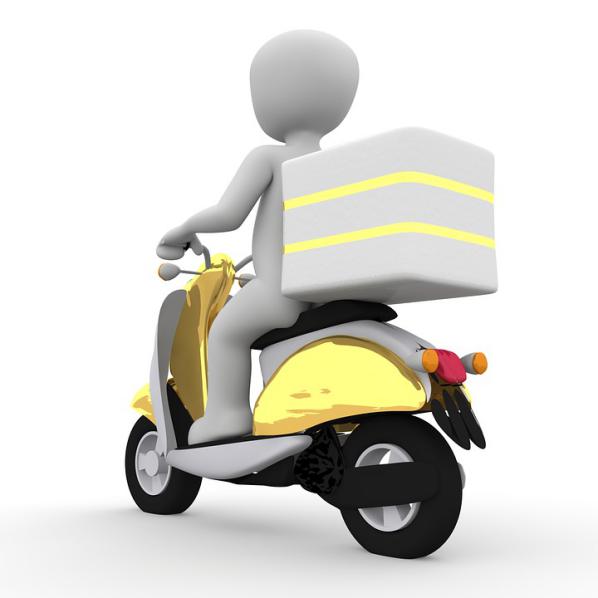
You can use your Smartphone to find restaurants near your location, pursue menus, read customer reviews and easily make reservations. With modern software, there are even apps available that will allow you to order meals delivered directly to your door. This week, we’ve decided to explore Smartphone delivery apps and whether or not they fall under ServSafe MN guidelines.
Delivery app and Servsafe MN
Image credit: pixabay.com

Who Monitors the ServSafe MN Procedures of Delivery App Drivers?

One of the concerns that we have when it comes to using a food delivery app is what precautions are being taken to ensure that your food will be handled in a safe manner. Let’s look at the three types of delivery apps that exist:

  • Major restaurant chain apps
  • Apps that order from restaurants that deliver
  • Third-party courier apps

In the case of the first two options on our list, your delivery drivers will be employees of the restaurant that prepares the food. The site ServSafe MN Manager can train the drivers in proper safe food handling procedures. In the case of third-party apps, customers place their order with the third-party, not the restaurant that prepares the food. In this scenario, the delivery app is the customer of the restaurant. There seems to be a gray area as to whether the delivery app is required to have received any ServSafe MN food-safety training.

Many food courier services are outside the jurisdiction of your local health department. Your meal has been paid. The third-party app driver is simply picking it up at the restaurant and bringing to your door. Our understanding is that they do not need to be food safety certified, and are not responsible for the quality of the food that arrives at your door. It is unclear at this time if there will be any adjustments to the food code to make sure that food couriers are abiding by food safety regulation.

Protecting Food Safety While Using Delivery Apps

In speaking with a few restaurant owners, we have found some that have expressed concerns with the growing popularity of food delivery apps. Their major issue with these apps is the fact that the delivery drivers do not represent them or their business. This means that they may be putting the quality of their product in the hands of a courier. A delivery app that may not have the restaurants best interests in mind. If a guest receives a cold dinner or a carton of sandwiches that appears to have barely survived a rugby match, their displeasure may not be with delivery service, but with the restaurant itself.

We’d like to know how you feel about delivery apps. Do you prefer to order directly from the source? or Do you feel that third-party food couriers are just as reliable?
The Truth About ServSafe Managers Using Dry Vs Sanitized Towels

ServSafe food managers using towels

Cloth towels are an essential part of food safety. ServSafe food managers should stock their establishment with an abundance of clean towels to ensure plenty are available at all times. However, there are times when a wet sanitized towel is appropriate and times when a clean dry cloth may be better for food safety.

The Truth About ServSafe Managers Using Dry Vs Sanitized Towels
Image credit: mmiixx via 123rf

Tips for ServSafe Food Managers on Cloth Towel Use in Food Preparation Areas

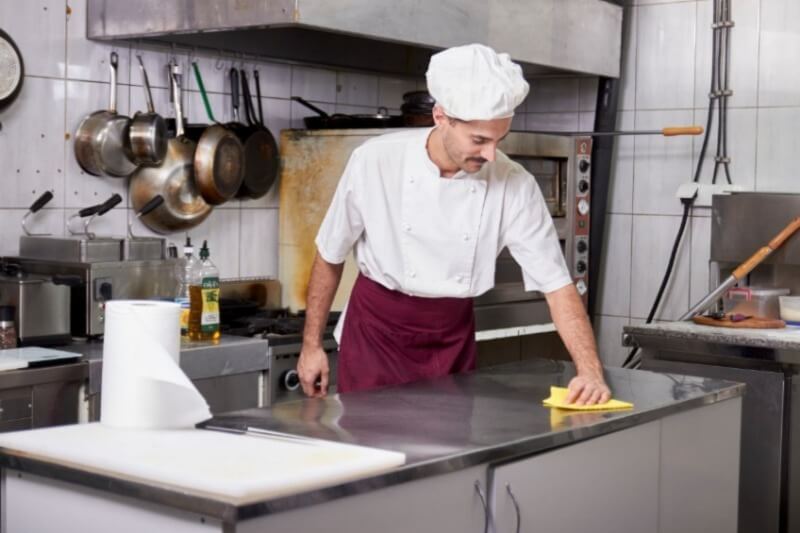
Sanitizer cloths are essential for stopping the spread of bacteria and other pathogens. They should be used to clean up any possible contamination on surfaces that cannot be run through your dishwashing machine. ServSafe food managers should stress the importance of using sanitized cloth towels on:

  • Soiled cutting boards
  • Stainless steel surfaces in preparation areas
  • Large preparation equipment
  • Dry clean surfaces to promote cleanliness

The use of proper sanitation should be enforced by ServSafe food managers, and it’s important to make sure that your sanitizer solution is rotated often and mixed to appropriate potency.

There are times, however, when a dry towel is appropriate and a wet sanitizer cloth could cause a foodborne illness risk rather than preventing one.

Water and grease do not mix using a wet rag to clean up grease can spread grease to other areas of your establishment. A wet, oily cloth will lose all effectiveness when it comes to sanitation. Grease can spread to hands, preparation surfaces, and even food when a soiled rag makes contact. ServSafe food managers should keep dry cloth towels near:

  • Deep fryers
  • Flat top grills
  • Sandwich presses
  • Other equipment that uses grease or oil

When was the last time your ServSafe food manager discussed using dry towels vs wet sanitized towels?

Professional ServSafe Food Managers Can Immediately Improve Grease Trap Safety

Professional ServSafe Food Managers Can Immediately Improve Grease Trap Safety

Nearly every restaurant or food processing facility that prepares hot food deals with grease and other liquids that are a byproduct of creating their product. Most ServSafe managers ensure that the waste from this process goes into grease traps or some other receptacle rather than leaving it on preparation surfaces to contaminate food cooked later. This grease will often settle into traps, and if ServSafe food managers do not properly take care it could pose a food safety risk or even a fire hazard.

Professional ServSafe Food Managers Can Immediately Improve Grease Trap Safety
Image credit: davit85 via 123rf

The Importance of ServSafe Food Managers Cleaning Grease Traps in Kitchens

Grease traps are commonplace in nearly every kitchen, so make sure you inspect, empty and clean grease traps that are located:

  • Under good vents
  • In ovens
  • Under grills and fryers

Every employee who works in your kitchen should be aware of your grease trap locations and how to remove the drainage receptacle. Some, such as traps under grills and flat cooking surfaces, slide in an out like a drawer while others, like under hood vents, are pans held in place under drainage areas. ServSafe food managers should take the time to train their staff how to remove these grease traps safely without spilling their contents or burning themselves on hot oil.

In ServSafe food manager training when we talk about clean grease traps, we don’t simply mean empty ones. Grease traps should be emptied on a regular basis and cleaned thoroughly. If the trap is completely removable, take the time to clean and dry it before replacing it. It’s also important to clean the areas around the traps to ensure all grease and oil is removed. Leaving grease behind can attract insects or even large pests such as rats if ignored for long periods of time.

Finally, don’t pour grease down your sink drains. This can cause buildup in your pipes, become a breeding ground for insects and damage your plumbing system. Check with your local waste disposal company for options on recycling your leftover grease.

Has you taken the time to thoroughly clean your grease traps lately?

When Can ServSafe Managers Expect the Surprise Health Inspector

When Can ServSafe Managers Expect the Surprise Health Inspector

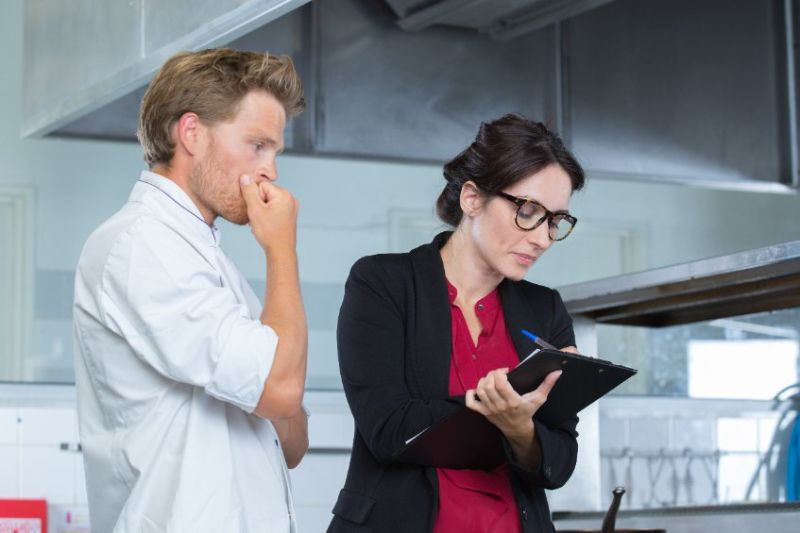
Every so often, we get asked by prospective ServSafe food managers if they’ll receive a warning before the health inspector shows up at their food business. Well, if you’re doing everything right, reinforce a proper food safety culture in your establishment; does it really matter when the health inspector walks into your door? While there are no flashing lights, alarms or signs from above for Servsafe managers, there is an expected frequency for when your establishment requires a visit from a health department inspector.

When Can ServSafe Managers Expect the Surprise Health Inspector

How Often Can ServSafe Food Managers Expect a Health Department Inspection?

Your local health department commissioner schedules inspections during specific intervals depending on the risk category of your food establishment. The food code breaks down the food establishment inspection frequency into three categories:

  • High-Risk: Once at Least Every 12 Months
  • Medium-Risk: Once at Least Every 18 Months
  • Low-Risk: Once at Least Every 24 Months

While you won’t know exactly when they’ll show up, you can expect a visit within a regular time frame, but how do you know which type of food business you operate? Most restaurants, resorts, hotels with pools, catering companies and other establishments that prepare products in advance and cool and reheat products will be considered high-risk. A majority of food establishments fall into this category.

Medium-risk food establishments serve some potentially hazardous foods but with little time between preparation and service. These businesses usually only serve items such as pizza, fryer foods and sandwiches that are prepared and served immediately with minimal holding and limited time between preparation and service.

A low-risk food establishment offers food with very limited preparation. These can be coffee stands with prepackaged pastries, hotels with minimal food offerings or certain grab-and-go food services. These businesses will only see the inspector every two years and most may not require a ServSafe food manager for operation.

Regardless of what type of business you operate, your ServSafe food manager or designated person in charge in their absence should make themselves available when the inspector shows up. You don’t necessarily need to guide them throughout the facility, but it’s a good idea to be around them. Never make an attempt to stall the process, misdirect inspectors from certain areas of your facility or hinder the inspection in any way. This will help speed the process and allow them to ensure your food is being served in a safe manner. Remember, these inspectors aren’t there to find fault with your establishment or punish food business owners, they are there to ensure the safety of your product. Don’t be offended if issues arise, rather ask questions and find solutions to any violation before the inspector leaves your business.