Tested Approach To Food Service Utensils For ServSafe Managers

Tested Approach to food service utensils for ServSafe managers

Keeping food out of the danger zone and utilizing proper temperature and time control keeps bacteria from growing in food and greatly reduces foodborne illness. When we take about the danger zone, we usually focus on food product, but can serving utensils left in the danger zone after touching product pose a food safety risk? ServSafe managers should take steps to ensure that food poisoning hazards don’t develop with mishandled food service utensils.
Tested Approach To Food Service Utensils For ServSafe Managers
Image credit: Helder Ribeiro via Wikimedia

ServSafe Managers Guide to Temperature Control of Food Service Utensils

You may never think about it, but some service items should be treated like food to prevent foodborne illness. We’re not suggesting storing your utensils outside the danger zone, but once you begin using them for service you should make sure they follow nearly the same protocols as the food they touch. Some items to be wary of include:

  • Salad Bowls and Tongs
  • Ladles
  • Spatulas
  • Cold Preparation Utensils

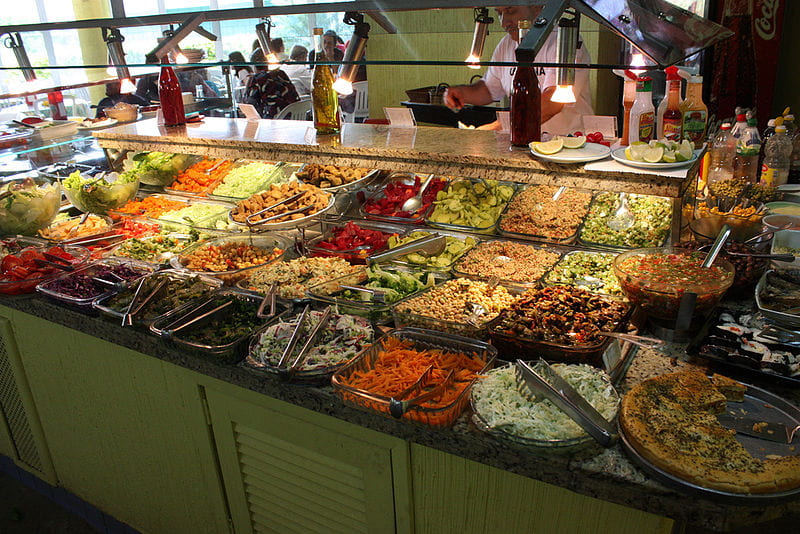
ServSafe managers wouldn’t leave a Caesar salad on a counter top for hours and then serve it to a guest, so why leave a used bowl and set of tongs at the same temperature. Salad remnants will decay in a danger zone environment over time increasing risk. Washing every mixing bowl after every use just simply isn’t an option, but there are solutions. Keep mixing bowls for cold items in a reach-in refrigerator or rotate out of service regularly. Time as public health control rules allow for up to four hours, but quality of product will greatly suffer even over a short period of time, so we suggest more frequent rotation of these cold service items. The same should go for any other item used to prepare cold items for service. Tongs, spatulas and ladles could be the most overlooked offenders.

Hot items may be easier to maintain than cold items due to the nature of food served. Soup and sauce ladles can potentially remain in heated sauces and metal tongs and other serving utensils can remain with hot foods if stored properly. Some items such as grill tools, should follow time control procedures as they may not always be out of danger zone temperatures.

Have you thought about risks coming from the temperatures of your regular use utensils?
Powerful New Reference Tools For Assisted Living MN ServSafe Managers

Powerful New Reference Tools For Assisted Living MN ServSafe Managers

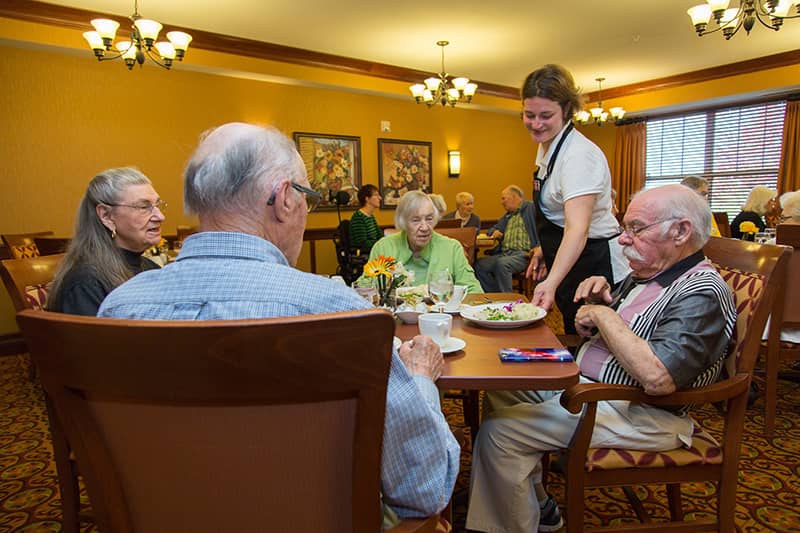
Every food business outlet has its own unique challenges, but due to the susceptibility of the residents in assisted living facilities, ServSafe food managers should be extremely careful with the food they serve. In order to protect the most vulnerable to illness, the Minnesota Department of Health as put together an FAQ for ServSafe Managers of assisted living facilities. Let’s take a look at some of the outlined rules that affect MN ServSafe managers in these facilities.

Powerful New Reference Tools For Assisted Living MN ServSafe Managers
Image credit: Arbor Lakes Senior Living

MN ServSafe Managers’ Guide to Assisted Living Kitchens

The Minnesota food code defines a highly susceptible population as a group that is more likely to contact foodborne illness due immunocompromised conditions or age. Assisted living facilities commonly serve these groups, and some other outlets the Minnesota Department places in this category includes:

  • Custodial Care Facilities
  • Specialized Nutritional Centers
  • Senior Centers
  • Medical Health Care Facilities

In their guide to the application of the food code to assisted living facilities, the Minnesota Department of Health outlines the key factors to serving an elderly or medically compromised population. The reinforce the need for:

  • Oversight of Food Handling Procedures
  • Health and Hygiene
  • Ready-to-Eat Food Safety
  • Time and Temperature Control
  • Cross-Contamination

You may look at this list and say to yourself, “I remember this from MN ServSafe manager training, so why do we need new outlines from the health department?”

The point of these new fact sheets is to emphasize the most important aspects of keeping food safe in assisted living facilities, and these measures give us the best chance of preventing foodborne illness.

Just like other food processing facilities, assisted living centers require a certified food protection manager to oversee food safety and training. The CFPM should also monitor employee hygiene to ensure nobody works sick and that proper handwashing procedures are followed.

It’s also vital to document time and temperature control procedures, especially when cooling prepared food and reheating ready-to-eat foods. Most facilities that serve the sensitive populations usually prepare food in advance in order to serve larger groups all at once. If you prepare your food ahead of time and reheat it for service, make sure you review cooling and temperature control procedures.

How ServSafe Managers Can Apply New COVID Vaccination Proof Mandates

How ServSafe Managers Can Apply New COVID Vaccination Proof Mandates

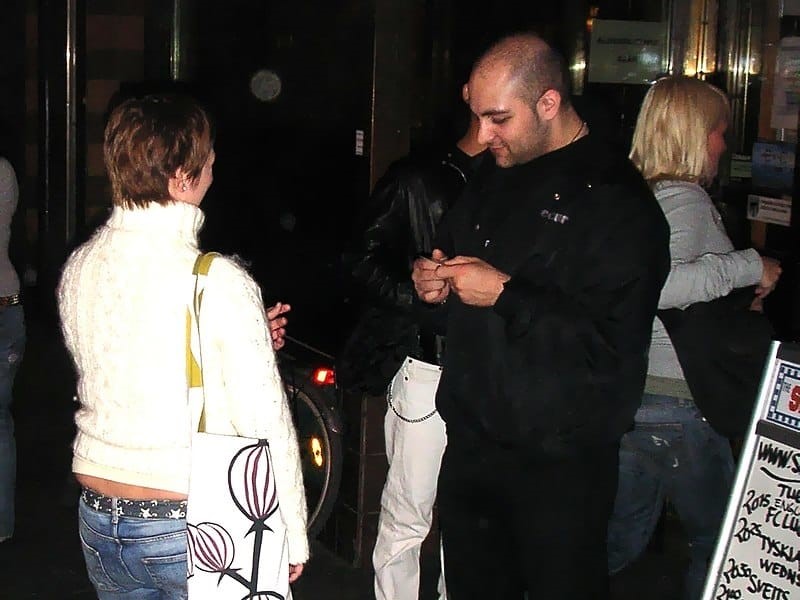
Like many major cities across the United States, Minneapolis and St. Paul have joined municipalities requiring proof of vaccination or a negative COVID test in order to participate in certain indoor activities. This mandate has the potential to have an impact on the restaurant industry since indoor dining is among activities requiring proof of a negative test or a vaccine card. How can ServSafe managers put in place procedures to follow these new COVID mandates and keep their restaurants flourishing?

How ServSafe Managers Can Apply New COVID Vaccination Proof Mandates
Image credit: Hans-Petter Fjeld via Wikimedia

Minnesota ServSafe Food Managers And COVID Vaccination Regulations

As long as these rules are in place, the biggest challenge is to keep business flowing while making sure patrons have the proper paperwork. It may be a good idea to have an extra host at the front door during busy times in order to speed up the process without forcing your guests to wait too long before being seated. It may add to your labor costs, but it also may reduce the amount of guests who choose to go elsewhere if the wait time to be seated is unreasonable.

When checking proof of vaccination, make sure you look for these three different types of proof:

  • The original vaccination card
  • A photo of the card on a smartphone
  • Proof through the Docket app

While these new COVID vaccination mandates have been put in place to stop the surge of the newest variant, ServSafe managers will still want to find ways to reach guests who cannot show proof of a negative test or a vaccine. Make sure that you have takeout options, curbside pickup or delivery available for guests who still wish to order from your menu. This will show that you still value all of your customers and are willing to make accommodations to serve them.

While these COVID mandates affect food businesses in the Twin Cities, it might be prudent to have your ServSafe food managers lay out a plan should your municipality enact similar rules.

Do you have a plan in place should your guests be required to show proof of vaccination?

Important ServSafe Food Manager’s Training Review For Handwashing Dishes

ServSafe food manager trainiing review of hand washing dishes

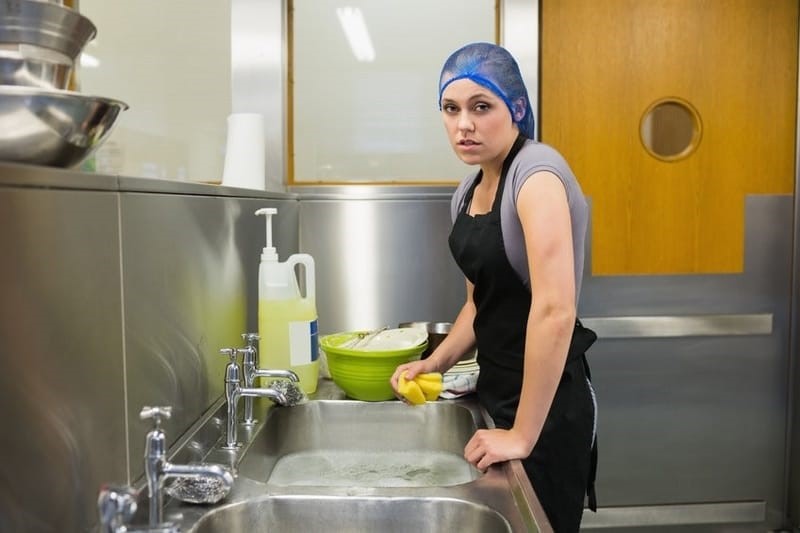
Most restaurants and food production facilities rely on mechanical dishwashing machines, but we should all be prepared in the event that the dishwasher malfunctions or some other scenario renders your machine inoperable. We all know you can’t serve your guests food on plates covered in grime, and if you do you may lose your guests due to food poisoning or simply disgust from being given utensils with chunks of the previous guest’s meal caked on the surface. Whether your business already washes your dishes manually or you rely on a mechanical dish machine, Every ServSafe food manager should regularly train their staff on manual warewashing procedures.

ServSafe Food Manager's Training Review For Handwashing Dishes
Image credit: wavebreakmediamicro via 123rf

ServSafe Food Manager Triple Sink Dish Washing Review

A ServSafe food manager should frequently train staff on proper manual dishwashing procedures. If you lose your mechanical dishwasher for any length of time, you need to rely on a triple-sink warewashing system. Each sink will serve a different purpose. The four step dishwashing process involves:

  • Washing
  • Rinsing
  • Sanitizing
  • Air Drying

The first three steps of the manual washing process must happen in their own portion of your triple sink. This will prevent remnants of food, detergents and other particles from ending up surviving the washing process.

When washing dishes in the first sink, it’s important to use hot, soapy water in order to properly clean utensils and plates. Cold water is ineffective during this step, so make sure the water is as hot as you can stand and wear protective rubber gloves to reduce the discomfort of hot water. During this step, scrub all food particles off of surfaces before moving on to the second sink.

After dishes have been washed, they need to be rinsed in clean water free of detergents and other contaminates. Supplement your rinsing sink with clean running water to properly rinse dishes during the second step.

The last sink should be reserved for sanitizing. There are two ways to properly sanitize hand washed dishes:

  • A properly tested sanitizer bath
  • Hot water over 171 degrees Fahrenheit

If you choose to sanitize in a sink with water and a sanitizer solution, your ServSafe food manager should regularly use a test strip to make sure that your chosen sanitizer solution is at appropriate levels. A weak solution runs the risk of leaving pathogens on surfaces increasing the risk of spreading foodborne illness while a strong solution could leave sanitizer on your dishes that could also sicken guests.

If you use hot water for sanitation, test the water in your sanitation sink regularly to ensure it remains above 171 degrees.

Has your ServSafe food manager reviewed your triple sink washing procedure lately?