Expert Food Recall Procedures ServSafe Managers Need To Know

Food recall procedures that servsafe managers need to know

Recently, Green Giant announced a voluntary recall on yellow and white onions. Minnesota ServSafe managers should pay close attention to this recall since many of the delivery locations are in the state of Minnesota. This may be a good time to check your inventory for white and yellow onions to make sure that you don’t have any sitting in storage. It’s also prudent to review procedures Minnesota ServSafe managers should use to handle major food recall notices.
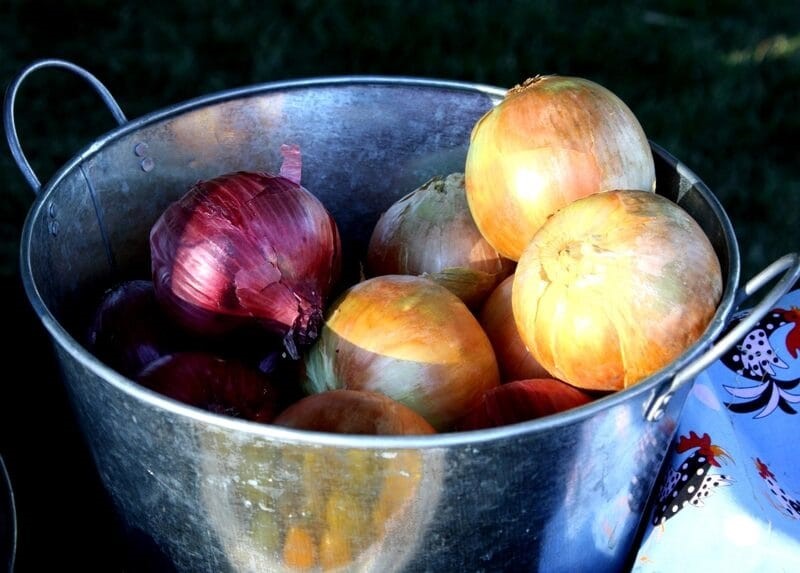
Green Giant Onion Recall Procedures ServSafe Managers need to know
Image credit: PPD via Pixnio

Procedures for Responding to the Onion Recall for ServSafe Food Managers

Some recalls affect the food industry more than others, and this onion recall impacts nearly every food business in areas where the recall is in effect. Onions are a staple ingredient in every food business, so what procedures should ServSafe food managers do when impacted by a recall of this scale?

Discarding recalled ingredients and prepared product which includes tainted ingredients should be the first step. Your guests’ safety must be a top priority, replacing these ingredients should come second.

Finding an alternative for necessities should only occur after you’ve cleared your storage of recalled products. Bringing in untainted ingredients while you still have recalled produce in storage could lead to a mix-up between tainted and untainted ingredients. You may want to order a replacement product as soon as you hear of a recall, but don’t stall on clearing health hazards before receiving a new shipment.

Most foodservice suppliers should have checked UPC codes and other information concerning a recall before sending you a replacement, but ServSafe managers should do their due diligence and verify their new product has not been affected. You may also have to consider going without due to scarcity during a recall. In that instance, informing your guests that onions, or any recalled ingredient, are being removed from the menu for their health and safety will keep them informed as to why some menu items may look different than normal.

Have your Servsafe food managers documented a recall procedure? Have you ever had to take steps to alter your menu during a recall?

Practical Reasons For ServSafe Food Managers To Use Frozen Product

Practical reasons for ServSafe food managers to use frozen product

During the fall and winter, many fresh ingredients tend to become scarce or the quality of these ingredients begins to decline. Replacing fresh product with frozen product keeps these ingredients on hand, and may offer the opportunity to reduce waste through better product inventory control. This week, we’d like to examine some items that ServSafe food managers may want to considering ordering in frozen product rather than fresh during the offseason.

Practical Reasons For ServSafe Food Managers To Use Frozen Product
Image credit: fotofritz via 123rf

ServSafe Food Managers Can Reduce Waste and Improving Quality with Frozen Ingredients

Spring and summer bring a bounty of fresh ingredients, but besides ingredients used in traditional fall cuisine the quality and availability of these summertime ingredients becomes scarce or subpar. Some common ingredients that begin to disappear in the fall include:

  • Fresh Ocean Fish
  • Seasonal Vegetables
  • Berries

While there are many species of fish that are available fresh all year round, several popular types become uncommon or begin to deteriorate in quality. Fresh salmon, halibut and other cold water fish become scarce at the end of the season. Not only will the quality of many ocean fish be subpar, the fresh prices will skyrocket as demand outpaces supply. If you want to avoid potentially mushy, flavorless ocean fish, buying fish that was flash frozen at harvest could save on food costs and provide a better experience for your guests. You’ll also have better control over your product as you can thaw the amount of fish you need for daily service without the risk that comes from spoilage from larger quantities of fresh product. Using flash frozen ocean fish can save on food cost, improve quality and help ServSafe food managers reduce waste.

If you’ve ordered vegetables traditionally only available in the spring out of season, you’ve probably noticed a decline in quality from months earlier. This is due to produce coming from farther away or being grown in conditions that may not be optimal. While many ServSafe food managers opt to rotate to locally available vegetables, many chefs can be stubborn and tied down to ingredients on their signature dishes. If you’re not serving these items fresh, most seasonal vegetables will be available blanched and frozen.

If you use berries or other fruit for baking or desserts, bringing in frozen ingredients will help with waste control as prices rise in the offseason. However, frozen berries and fruit are best suited for cooking, dressings or compotes rather than to be served on their own.

Do the ServSafe Food Managers in your establishment switch to frozen product in the offseason?

Professional ServSafe Food Managers Need To Inspect Ready-to-Serve Produce

ServSafe Food Managers Need To Inspect Ready-to-Serve Produce

A high percentage of ServSafe food managers rely on produce items that are packaged ready to serve, but that doesn’t mean we can simply look at the expiration date and serve to customers without some sort of inspection process. Just because your bag of salad greens claims to be triple washed and good to go right out of the bag, it doesn’t mean there are zero food safety risks or quality control issues.

ServSafe Food Managers Need To Inspect Ready-to-Serve Produce
Image credit: baojia1998 via 123rf

ServSafe Food Manager Safety Procedures For Ready-to Serve Produce

Prepackaged produce can be a huge timesaver. Bagged spinach, salad mixes, shredded lettuce and even precut fruit greatly reduce prep time and allows kitchen staff to take care of items that can only be prepared in their facility, but there are some risks involved with these products. ServSafe food managers must look out for:

  • Foreign objects
  • Spoilage
  • Signs of insects
  • Allergen ingredients

We’ve seen news stories of foreign objects found in bagged lettuce that range from golf balls to dead mice. Sometimes, like in a recent story out of Seattle, something rare like a deceased lizard actually makes its way to the consumer. In this case, the salad mix in question came from a reputable supplier that appears to triple wash greens and have procedures to prevent foreign objects from making their way into bags, so it just goes to show that no matter how careful your supplier is there may be risks. It’s not like a lizard make a habit of frequenting kitchens outside of their native habitat.

It’s also important for ServSafe food managers to look for signs that your prepackaged lettuce mix has begun to spoil or may have been contaminated with insects at some point during the process. Greens that have started to turn brown, black or have abnormal deterioration should not be served to customers.

Finally, some companies that produce ready-to-serve salad mixes have varieties of their products that may contain nuts, eggs or dairy. Check the labels and ingredient lists carefully to be informed if a customer with one of the allergies dines at your establishment.

Do you take the time to inspect previously washed produce?

Are Farmers’ Markets Approved Sources of Ingredients for ServSafe Managers?

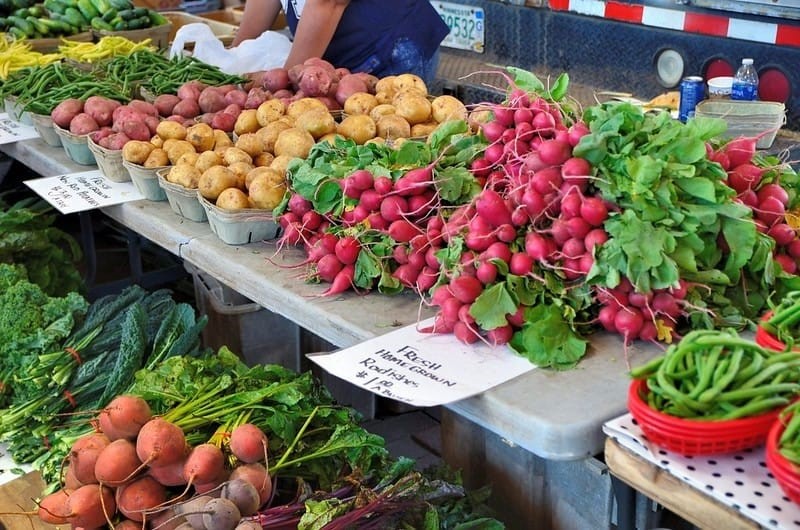
With summer time here, we’re seeing an increase in locations for weekly farmers’ markets all around our state. We’ve been asked from time to time whether ServSafe managers are allowed to purchase produce and other food ingredients from these farmers’ markets for use in their restaurants and food production businesses. The short answer to this question is yes with some exceptions, but there are few factors ServSafe Managers should consider when choosing a farmers’ market to purchase your ingredients.

Farmers' Markets Approved for Sources of Ingredients for ServSafe Managers
Image credit: jpellgen (@1179_jp) via flickr

Tips for ServSafe Managers Purchasing Ingredients at Minnesota Farmers’ Markets

The type of ingredient you’re purchasing from a farmers’ market will determine whether you can use it in your food establishment. According to the Minnesota Food Code, you may purchase produce directly from the grower, so fruits and vegetables don’t require special certification as long as you ensure you’re purchasing directly from the grower. However, if you choose to purchase eggs or raw proteins you must ensure a some conditions have been met.

  • Meat and Poultry have been USDA Inspected
  • Eggs must be Grade B or better

Besides checking on whether or not meats and eggs have passed inspection, you may also wish to take some time to evaluate how they are displayed for sale at a farmers’ market. Raw proteins and eggs displayed in open air have more risk of having been contaminated by flies, heat or other foodborne illness risks. In the heat of summer, there is a greater risk for these sensitive items to be exposed to danger zone temperatures. If you choose to purchase inspected and graded proteins from a farmers’ market, use your best judgment on how it’s stored and make sure you have the capabilities to transport them safely at temperatures below 41 degrees. From a food safety standpoint, inquiring about delivery may better way to purchase eggs and meat from local farmers.

We’ve also been asked whether farmers’ markets have any regulations or inspection. The Minnesota Department of Agriculture has put together a list of approved farmers’ markets. This list is fairly extensive, so there’s sure to be an approved market near you.

Are you a ServSafe manager that frequents local Minnesota farmers’ markets?