Hyper-Local Sourcing: A ServSafe MN Guide to In-House Restaurant Gardens

Minnesota diners’ demand for fresh, locally sourced food has inspired a new level of farm-to-table innovation: the in-house restaurant garden. To meet this trend, many ServSafe MN professionals are now growing herbs, vegetables, and garnishes on-site. While this practice can elevate a menu, it also introduces unique food safety variables that every manager must control.

Growing your own produce is permissible under food safety regulations, but it doesn’t grant a pass on the fundamental rules of safe food handling. You must treat an ingredient with the same diligence as any item arriving from a supplier the moment you harvest it. Let’s break down the three critical areas of focus for maintaining a safe and successful restaurant garden.

The Foundation: Starting with Clean Inputs

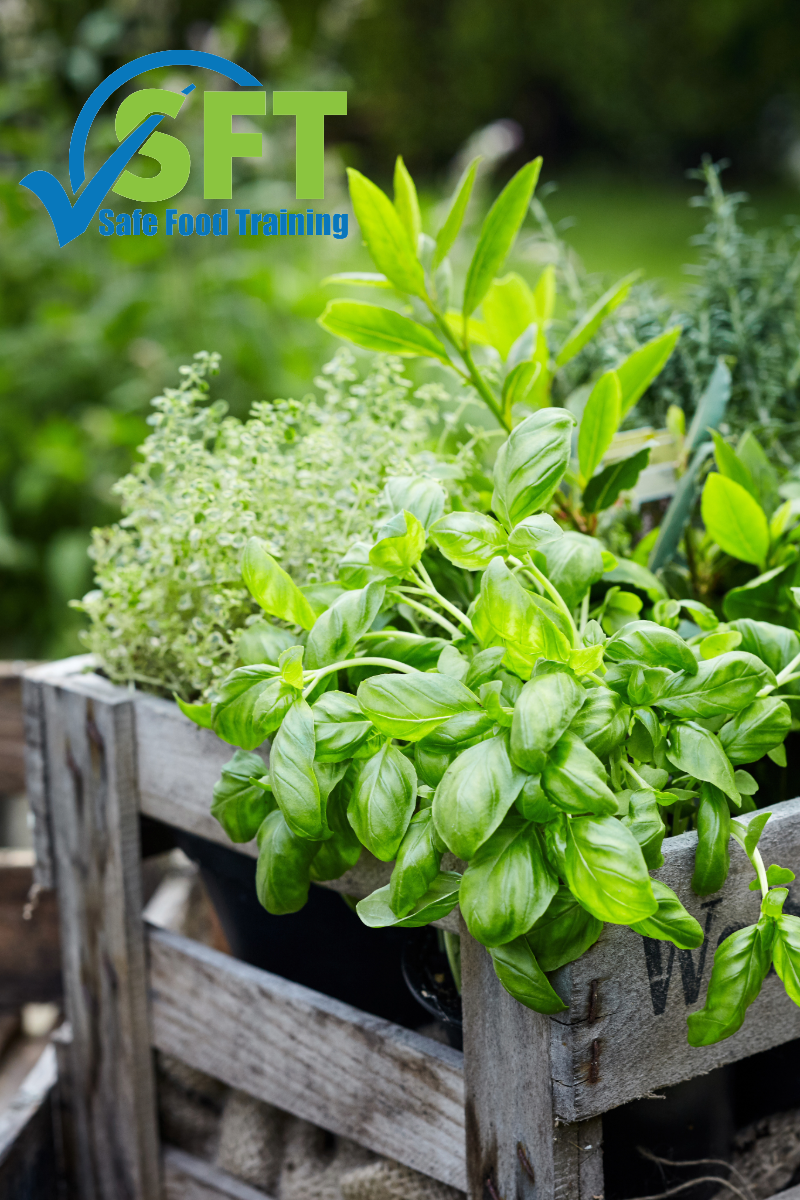
in-house restaurant gardens
Do you have an in-house garden at your restaurant?

The safety of your final product begins long before the harvest. The soil, fertilizer, and water you use are the building blocks of your garden, and they can also be primary sources of contamination if not chosen carefully. Assuming that “natural” automatically means “safe” is a critical error.

  • Use Sterile Growing Media: Pathogens like E. coli are often found in raw animal manure. To mitigate this risk, always use commercially prepared, sterilized fertilizers and potting soils. This step is crucial for preventing the introduction of harmful bacteria at the very start of the growing process.

  • Ensure a Potable Water Source: The water used for your plants will inevitably come into contact with the edible portions. Use only clean, potable water—the same water you use in your kitchen sinks. Avoid using rain barrels or other sources of stagnant water, which can harbor bacteria like Listeria or algae.
Protecting Your Garden: Controlling the Environment

An outdoor garden exposes its produce to numerous environmental risks that can compromise its safety. A core part of your responsibility is to create a controlled space that minimizes these external threats. This means thinking beyond just planting seeds in an open patch of ground.

  • Secure the Location from Pests: Protect your garden from animals and other pests. Birds, rodents, and even neighborhood pets can carry pathogens in their waste, which can easily contaminate low-growing produce. Consider using raised garden beds, fencing, or netting to create a physical barrier.

Prevent Environmental Runoff: Be mindful of where you place your garden. Avoid areas where runoff from parking lots, lawns, or garbage enclosures could introduce chemical or biological contaminants to the soil and plants.

From Harvest to Plate: Applying ServSafe MN Protocols

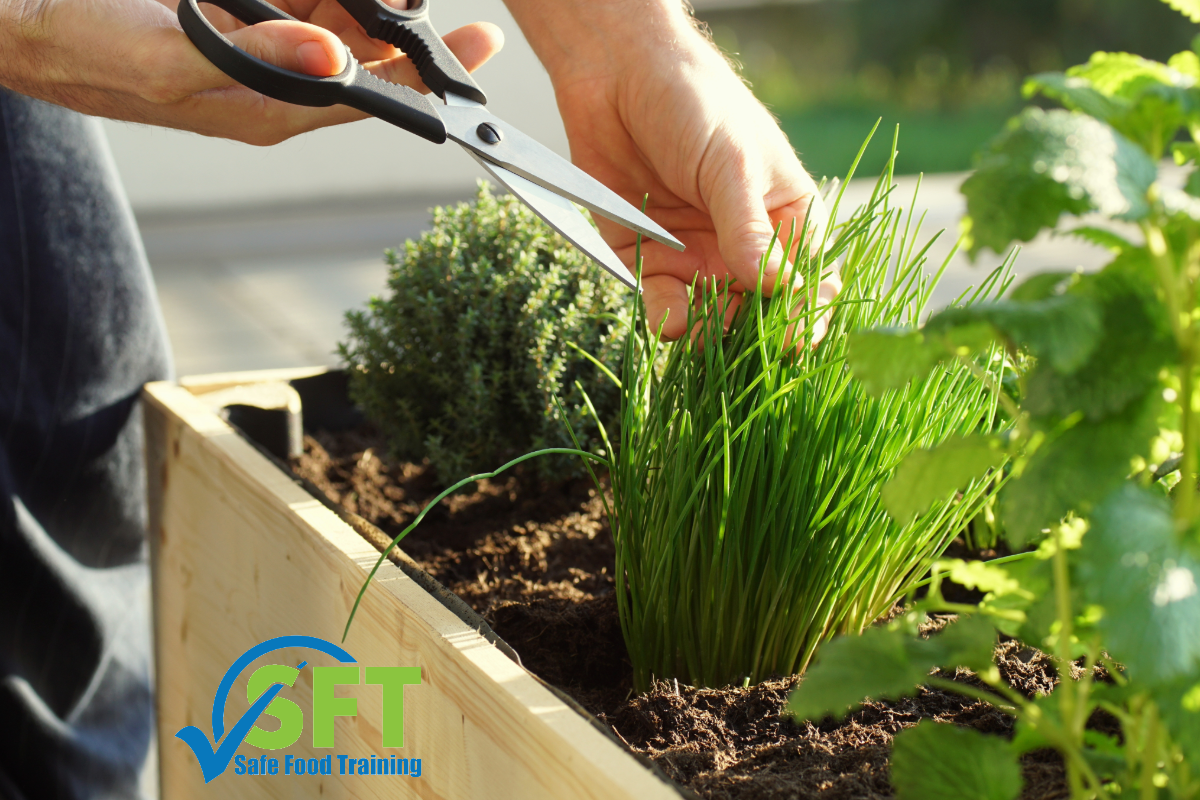
Herb garden-in-house restaurant gardens
Treat all produce the same, from the in-house restaurant garden to the regular outside supplier.

Once you clip that first sprig of mint or pull the first ripe tomato, your formal ServSafe MN training must kick into high gear. You must handle these raw ingredients accordingly to prevent foodborne illness as they enter your kitchen’s workflow.

  • Wash Produce Thoroughly: Wash all harvested items under clean, running water immediately after bringing them indoors. This crucial step removes soil, which can contain spores like Clostridium botulinum, as well as unseen pests and surface contaminants.

  • Prevent Cross-Contamination: Use a designated and sanitized food preparation sink for washing produce. Never use a handwashing or utility sink. After washing, store the items in clean, sanitized, and covered containers, away from and preferably above raw animal products.

  • A Note on Selling Retail: The guidelines discussed here apply to produce used for items on your menu. If you intend to sell raw, harvested produce directly to customers for retail, you may face different regulations. Contact your local health inspector to ensure you have the permits or licenses for this type of sale.

Embracing an in-house garden is an excellent way to innovate, but it requires a diligent application of food safety principles. Upholding these standards is a core part of your responsibility as a ServSafe MN certified professional.

For comprehensive training that covers these critical details for you and your team, explore our instructor-led options in Minnesota. 

For over 20 years Safe Food Training has been known as the # 1 provider of food protection manager certification in Minnesota. We offer both instructor led and on-line food safety certification courses. Our instructor led courses are regularly scheduled at several central Minnesota locations. If you have special training requirements, we can even customize ServSafe training for your group. Which ever option is best for you, we would be happy to serve your needs.

Leave a Reply

Choose Your Courses

Subscribe to the…

Food Safety Recalls

About Safe Food Training MN

What People Are Saying

COPY

About Safe Food Training MN

Contact Information


Safe Food Training Minnesota
1491 Hiawatha Ave
Big Lake, MN 55309
(952) 210-0195
info@safefoodtraining.com