Beyond the Heat Lamp: A Certified Food Protection Manager’s Guide to Safe Hot Holding Temperatures

heat lamp

Maintaining safe hot holding temperatures is a critical responsibility for any Minnesota food professional. This guide outlines essential protocols for keeping food out of the “Temperature Danger Zone,” the importance of equipment monitoring, and the corrective actions required to protect public health. It emphasizes that a certified food protection manager must lead by example to ensure compliance and safety in every meal served.

Safe food handling in Minnesota
Are you hitting all the critical points in safe food handling?


In the bustle of a Minnesota kitchen, the steam table is often an afterthought. After cooking and placing the food in the warmer, people frequently assume it’s safe until it’s served. However, as any certified food protection manager knows, maintaining proper hot holding temperatures is not a passive activity—it’s an active defense against foodborne illness.

Upholding Minnesota’s food safety standards is critical for protecting public health and ensuring your business remains compliant with state law. While a heat lamp or steam table aids in this process, the equipment alone cannot guarantee safety. It requires vigilance, knowledge, and a commitment to “proper time and temperature controls” to ensure that the food you serve is as safe as it is delicious.

1. Mastering the Mechanics of Temperature Control

The primary goal of hot holding is to prevent the rapid growth of pathogens that thrive when food temperatures drop. Safe Food Training emphasizes that understanding these controls is essential to preventing foodborne illness.

When managing hot holding stations, you’re essentially fighting against the “Temperature Danger Zone” (41°F and 135°F). To win this battle, you must move beyond guesswork and rely on precision:

  • Internal Temperature Checks: Never rely on the holding unit’s temperature gauge. These gauges typically measure air or water temperature, not food temperature. Use a calibrated thermometer to check the product’s internal temperature.

  • Stirring is Safety: Heat does not always distribute evenly, especially in thick soups or casseroles. By stirring frequently, you ensure the heat distributes throughout the pan, preventing cool spots where bacteria could survive.

  • Cover and Protect: Using lids and covers helps retain heat and protect food from external contaminants, reducing the risk of cross-contamination.

2. Why Every Certified Food Protection Manager Prioritizes Equipment Validation

The primary goal of hot holding is to prevent the rapid growth of pathogens that thrive when food temperatures drop. Safe Food Training emphasizes that understanding these controls is essential to preventing foodborne illness.

When managing hot holding stations, you’re essentially fighting against the “Temperature Danger Zone” (41°F and 135°F). To win this battle, you must move beyond guesswork and rely on precision:

  • Internal Temperature Checks: Never rely on the holding unit’s temperature gauge. These gauges typically measure air or water temperature, not food temperature. Use a calibrated thermometer to check the product’s internal temperature.

  • Stirring is Safety: Heat does not always distribute evenly, especially in thick soups or casseroles. By stirring frequently, you ensure the heat distributes throughout the pan, preventing cool spots where bacteria could survive.

  • Cover and Protect: Using lids and covers helps retain heat and protect food from external contaminants, helping prevent cross-contamination.

2. Why Every Certified Food Protection Manager Prioritizes Equipment Validation

Even the most expensive holding equipment can fail or drift out of calibration. A critical part of your role involves verifying that your tools are working correctly. Our training courses help you and your business effectively meet Minnesota’s essential food safety standards, including equipment requirements.

If your equipment is not maintaining the necessary 135°F (or higher) threshold, you’re putting your customers and your reputation at risk.

  • Preheating is Non-Negotiable: Never use hot holding equipment to reheat food. These units are designed to maintain temperature, not to raise it. Always reheat food to 165°F rapidly before placing it in the warmer.

  • Routine Maintenance: Schedules should be in place to check heating elements and water levels in steam tables. A proactive approach helps prevent equipment failure during peak periods.

  • Validation Logs: Keep a log of equipment checks. This documentation shows that you’re actively managing safety, which is vital to maintaining a trusted reputation with your customers.

Strengthening Your Credentials in Minnesota

Managing hot holding temperatures is just one aspect of a complex job. Whether you’re running a school cafeteria, a restaurant, or a catering business, staying current with your training is essential. At Safe Food Training, we specialize in personalized, 8-hour courses tailored for food professionals across Minnesota.

heat lamp hot holding temperatures
Are you handling food properly?

If your certification is nearing expiration, remember that in Minnesota, you must renew your Certified Food Protection Manager license every three years. We provide timely reminders for this renewal cycle to help you stay compliant.

Ready to refresh your knowledge or certify your team?

You can easily register for an upcoming course by visiting our website. We offer both in-person and online learning opportunities, as well as private training sessions for your entire staff. Let us help you keep your food safe and your business compliant.

Shocking Shigella Alert: Facts Every Food Protection Manager Must Know Now

Shigella

Shigella Alert: What Every Certified Food Protection Manager Must Know

Shigella
How to prevent Shigella.

In the complex world of food safety, certain pathogens demand our utmost attention. Shigella is one of them. As a certified food protection manager, recognize the threat Shigella poses to build strong defenses in your establishment. Shigella’s high infectivity and severe health consequences demand rigorous control beyond other contaminants.

This isn’t about fear—it’s about empowerment. Understanding the science behind Shigella, including how it spreads and the precise actions to prevent it, enables you to lead your team with confidence. Additionally, it helps you protect every customer who walks through your doors.

Why Shigella is a “Big 6” Pathogen

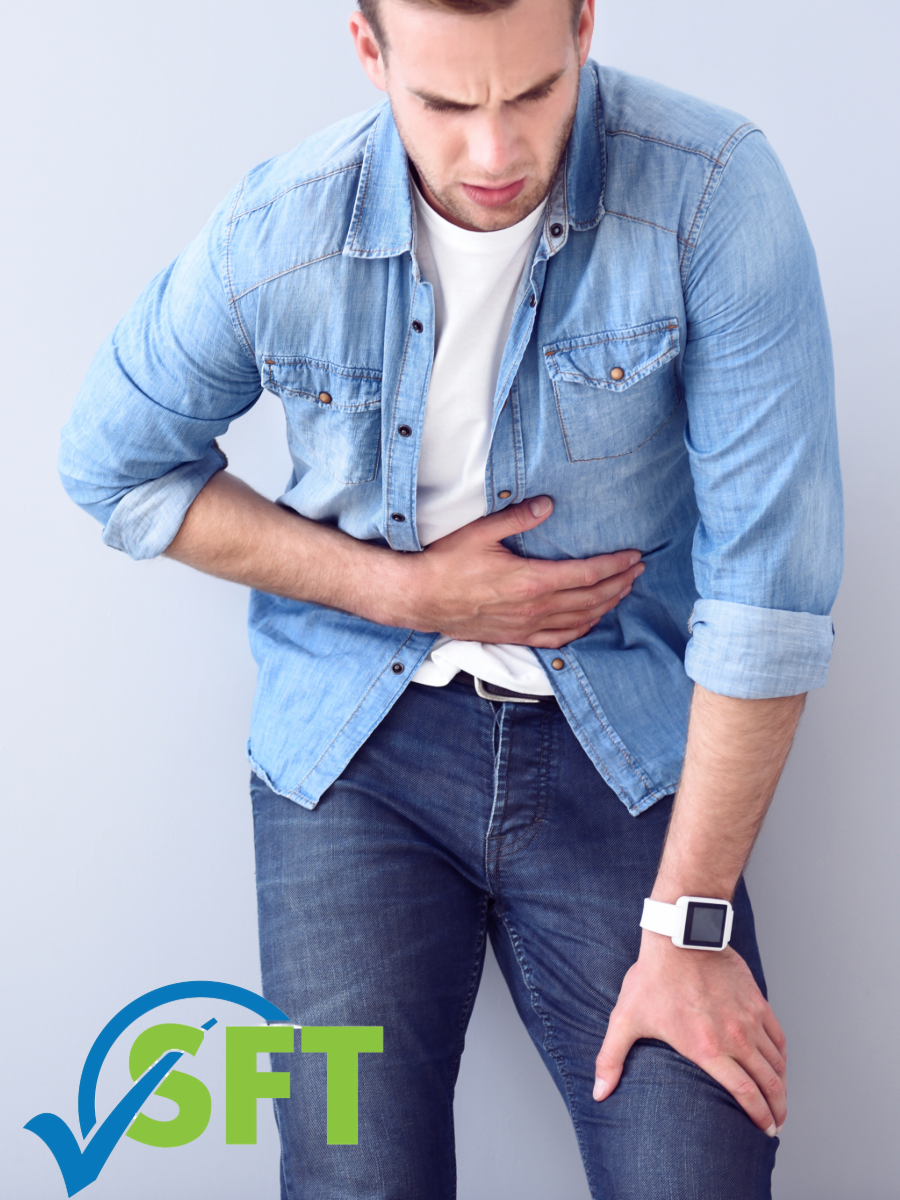
Shigella is a group of bacteria that causes an infection known as shigellosis. The U.S. Centers for Disease Control and Prevention (CDC) estimates it is responsible for approximately 450,000 infections in the United States each year. Fever, stomach pain, and diarrhea that is often bloody characterize the illness.

However, what truly sets Shigella apart is its designation by the FDA as one of the “Big 6” foodborne pathogens, alongside Norovirus, Hepatitis A, Salmonella Typhi, Nontyphoidal Salmonella, and E. coli. The FDA designates highly infectious pathogens that cause severe illness and are frequently transmitted by food employees as having this special status.

  • Extremely Low Infectious Dose: Shigella is notoriously easy to contract. It takes as few as 10 to 100 bacterial cells to cause an infection. This microscopic amount easily transfers from contaminated surfaces or unwashed hands to food.
  • Severity of Illness: While many cases resolve in 5-7 days, some can lead to severe complications, including post-infectious arthritis and bloodstream infections.
  • Emerging Drug Resistance: The CDC has issued alerts regarding extensive drug-resistant (XDR) strains of Shigella. These “superbug” versions are resistant to all commonly recommended antibiotics, making prevention, not treatment, the only reliable strategy.

How Shigella Spreads in a Food Service Environment

The primary mode of transmission for Shigella is the fecal-oral route. This means an infected person’s stool passes the bacteria to the mouth of another person. In a food service setting, this happens almost exclusively through the hands of an infected food employee. If an employee uses the restroom and fails to wash their hands properly, they can contaminate everything they touch afterward, including food, equipment, door handles, and utensils.

  • Direct Food Contamination: This is the most common risk in a kitchen. An infected employee preparing salads, slicing fruit, or making sandwiches can directly transfer the bacteria to ready-to-eat foods.
  • Contaminated Water: Produce irrigated or washed with contaminated water can carry Shigella into your kitchen.
  • Person-to-Person Spread: Because the infectious dose is so low, the bacteria can spread rapidly among staff members if hygiene protocols are not strictly followed, increasing the risk of a widespread outbreak.

Your Action Plan: A Certified Food Protection Manager’s Prevention Strategy

As a Certified Food Protection Manager, your role is to move from awareness to action. Preventing a Shigella outbreak depends on implementing, monitoring, and enforcing a multi-layered defense system. Your leadership in these areas is non-negotiable.

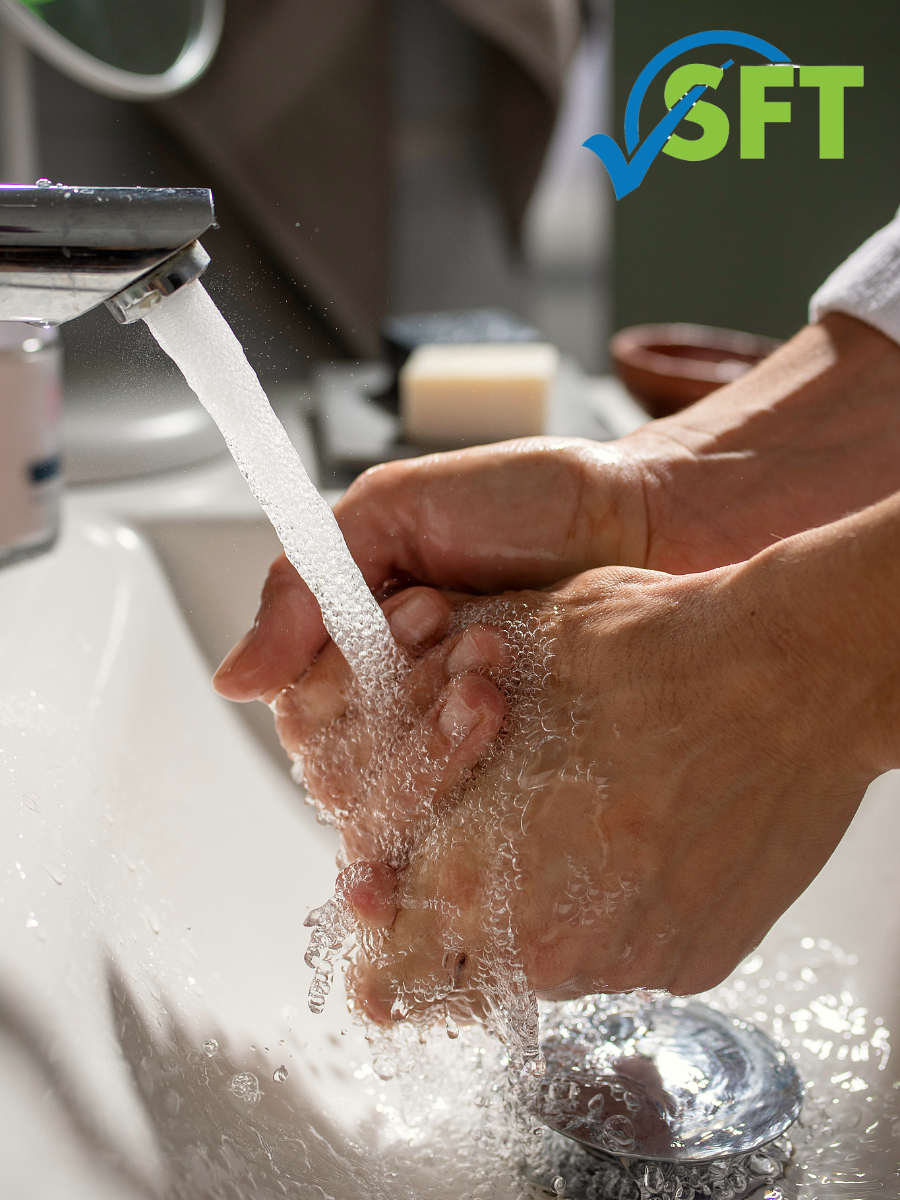
  • Mandate Impeccable Hand Hygiene: This is your single most effective tool. Go beyond simply having sinks available.
  • Action: Implement a policy requiring hand washing for at least 20 seconds with soap and water. Ensure it is done after using the restroom, before starting work, between tasks, and any time hands may have become contaminated.
  • Verification: Directly observe staff during shifts and make handwashing a key part of your daily walk-throughs.
  • Enforce a Strict Employee Health Policy: An employee with diarrhea cannot work.
  • Action: The FDA Food Code requires that any employee diagnosed with an illness from Shigella spp. be excluded from work. Your policy must be even more direct: any employee experiencing vomiting or diarrhea, regardless of the cause, must report it and stay home.
  • Support: Create a work environment where employees feel safe reporting symptoms without fear of penalty.
  • Implement Rigorous Cleaning and Sanitizing: Treat every surface as a potential point of cross-contamination.
  • Action: Develop a clear schedule for cleaning and sanitizing all food-contact surfaces, equipment, and high-touch areas (such as cooler handles and POS screens) with approved sanitizers.
  • Training: Ensure staff understand the difference between cleaning (removing soil) and sanitizing (reducing pathogens to safe levels), as well as the correct procedures for both.
handwashing
The key to preventing shigella is handwashing!

A well-trained team led by a knowledgeable certified food protection manager is the ultimate defense against pathogens like Shigella. Your expertise is critical to public health and the success of your business.

Is your team fully ready to handle threats like Shigella? Safe Food Training offers expert, instructor-led options for 8-hour food manager certification and continuing education, all right here in Minnesota. Ensure that you and your team have the knowledge and tools to protect both customers and employees. 

Register for an upcoming course today!

3 Advantages Of Powerful Instructor-Led Food Safety Certification Course

Group discussions stimulate student participation

The internet and mobile technology have given us instant access to nearly any kind of training and education that we could ever need. It’s possible to complete nearly any certification course online, including food safety certification in MN. Despite its convenience and accessibility, online training may not be an ideal substitute for a structured classroom setting. This week, we’ll discuss the advantages of taking an instructor-led food safety certification course from Minnesota’s highest-rated provider.

Advantages of an instructor led food safety certification course

Advantages Of Instructor-Led Food Safety Certification Course

While both options have pros and cons, some key differences make the classroom experience more complete compared to an online course.

  • Instructors are available to answer questions
  • We have scheduled discussions to encourage student participation.
  • Certification exams can be scheduled on the same day as the instruction

In online learning, students must independently seek answers to their questions. This added research can take time and lengthen the training process. In a classroom setting, a qualified instructor can quickly answer your questions. You can be confident that your instructor’s answers will be relevant and applicable in your jurisdiction. The internet contains a wealth of information, but researching questions outside of the required material can turn up inaccuracies and answers that may not apply to the current food code.

When you take an instructor-led course, you can immediately take your certification test after the instruction and review session. Even if you choose to take your certification classes online. You will still need to make an appointment to take your actual exam at a certified testing center at a later date. Taking the exam right after finishing the food safety course improves your chances of passing as the information is still fresh.

Minnesota’s Top-Rated Instructor-Led Courses

Nothing beats human interaction. We understand that sometimes training can be dry and tedious. An instructor can bring personality to training, making it more refreshing than doing it alone in front of a computer. You’ll also be able to associate with other members of the food community who may have questions or ideas you have not considered. Completing a food safety course with peers can be a motivating experience you can’t get alone.

Safe Food Training offers both instructor-led and online food safety certification courses. Our top-rated instructors lead courses regularly scheduled at multiple central Minnesota locations. Don’t miss out on the opportunity to enroll in our five-star courses! We would be happy to serve your needs with either option.