Shocking Shigella Alert: Facts Every Food Protection Manager Must Know Now

Shigella

Shigella Alert: What Every Certified Food Protection Manager Must Know

Shigella
How to prevent Shigella.

In the complex world of food safety, certain pathogens demand our utmost attention. Shigella is one of them. As a certified food protection manager, recognize the threat Shigella poses to build strong defenses in your establishment. Shigella’s high infectivity and severe health consequences demand rigorous control beyond other contaminants.

This isn’t about fear—it’s about empowerment. Understanding the science behind Shigella, including how it spreads and the precise actions to prevent it, enables you to lead your team with confidence. Additionally, it helps you protect every customer who walks through your doors.

Why Shigella is a “Big 6” Pathogen

Shigella is a group of bacteria that causes an infection known as shigellosis. The U.S. Centers for Disease Control and Prevention (CDC) estimates it is responsible for approximately 450,000 infections in the United States each year. Fever, stomach pain, and diarrhea that is often bloody characterize the illness.

However, what truly sets Shigella apart is its designation by the FDA as one of the “Big 6” foodborne pathogens, alongside Norovirus, Hepatitis A, Salmonella Typhi, Nontyphoidal Salmonella, and E. coli. The FDA designates highly infectious pathogens that cause severe illness and are frequently transmitted by food employees as having this special status.

  • Extremely Low Infectious Dose: Shigella is notoriously easy to contract. It takes as few as 10 to 100 bacterial cells to cause an infection. This microscopic amount easily transfers from contaminated surfaces or unwashed hands to food.
  • Severity of Illness: While many cases resolve in 5-7 days, some can lead to severe complications, including post-infectious arthritis and bloodstream infections.
  • Emerging Drug Resistance: The CDC has issued alerts regarding extensive drug-resistant (XDR) strains of Shigella. These “superbug” versions are resistant to all commonly recommended antibiotics, making prevention, not treatment, the only reliable strategy.

How Shigella Spreads in a Food Service Environment

The primary mode of transmission for Shigella is the fecal-oral route. This means an infected person’s stool passes the bacteria to the mouth of another person. In a food service setting, this happens almost exclusively through the hands of an infected food employee. If an employee uses the restroom and fails to wash their hands properly, they can contaminate everything they touch afterward, including food, equipment, door handles, and utensils.

  • Direct Food Contamination: This is the most common risk in a kitchen. An infected employee preparing salads, slicing fruit, or making sandwiches can directly transfer the bacteria to ready-to-eat foods.
  • Contaminated Water: Produce irrigated or washed with contaminated water can carry Shigella into your kitchen.
  • Person-to-Person Spread: Because the infectious dose is so low, the bacteria can spread rapidly among staff members if hygiene protocols are not strictly followed, increasing the risk of a widespread outbreak.

Your Action Plan: A Certified Food Protection Manager’s Prevention Strategy

As a Certified Food Protection Manager, your role is to move from awareness to action. Preventing a Shigella outbreak depends on implementing, monitoring, and enforcing a multi-layered defense system. Your leadership in these areas is non-negotiable.

  • Mandate Impeccable Hand Hygiene: This is your single most effective tool. Go beyond simply having sinks available.
  • Action: Implement a policy requiring hand washing for at least 20 seconds with soap and water. Ensure it is done after using the restroom, before starting work, between tasks, and any time hands may have become contaminated.
  • Verification: Directly observe staff during shifts and make handwashing a key part of your daily walk-throughs.
  • Enforce a Strict Employee Health Policy: An employee with diarrhea cannot work.
  • Action: The FDA Food Code requires that any employee diagnosed with an illness from Shigella spp. be excluded from work. Your policy must be even more direct: any employee experiencing vomiting or diarrhea, regardless of the cause, must report it and stay home.
  • Support: Create a work environment where employees feel safe reporting symptoms without fear of penalty.
  • Implement Rigorous Cleaning and Sanitizing: Treat every surface as a potential point of cross-contamination.
  • Action: Develop a clear schedule for cleaning and sanitizing all food-contact surfaces, equipment, and high-touch areas (such as cooler handles and POS screens) with approved sanitizers.
  • Training: Ensure staff understand the difference between cleaning (removing soil) and sanitizing (reducing pathogens to safe levels), as well as the correct procedures for both.
handwashing
The key to preventing shigella is handwashing!

A well-trained team led by a knowledgeable certified food protection manager is the ultimate defense against pathogens like Shigella. Your expertise is critical to public health and the success of your business.

Is your team fully ready to handle threats like Shigella? Safe Food Training offers expert, instructor-led options for 8-hour food manager certification and continuing education, all right here in Minnesota. Ensure that you and your team have the knowledge and tools to protect both customers and employees. 

Register for an upcoming course today!

A CFMs Guide to the 2025 Romaine Lettuce and E. Coli

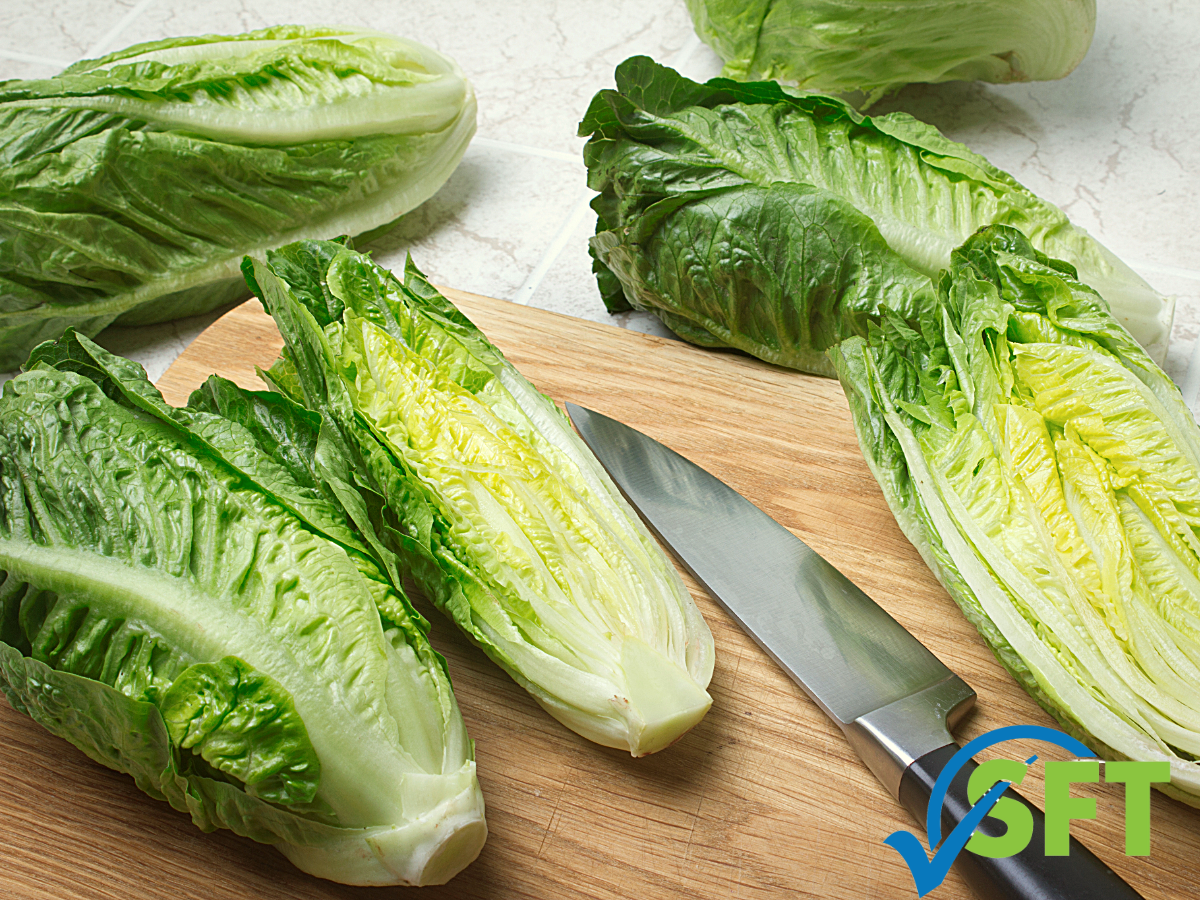
Romaine lettuce and E. Coli
Avoid serving crispy Romaine lettuce and E. Coli at your event with these tips!

In the ever-evolving landscape of food safety, staying informed about current risks is a critical responsibility for every Certified Food Protection Manager. As we navigate 2025, it’s crucial to understand the ongoing concerns surrounding romaine lettuce and E. coli contamination. Recent events have underscored the need for heightened diligence in our sourcing and handling procedures to protect public health effectively.

The persistence of pathogens in leafy greens requires that we, as industry leaders, remain proactive. This means we must be exceptionally thorough in our safety protocols. However, you’re in luck! This guide provides an overview of the current situation, highlights specific risks, and offers actionable steps for your establishment.

Understanding the Recent Romaine Lettuce and E. coli Outbreak

A significant, though not widely publicized, E. coli O157:H7 outbreak linked to romaine lettuce occurred in late 2024.

The incident led to:

  • Nearly 100 illnesses across 15 states
  • 36 hospitalizations
  • Tragically, one death

While federal agencies concluded their investigation in early 2025, the lack of a broad public announcement has left many food safety professionals seeking clarity. Specifically, this event serves as a powerful reminder that leafy greens remain a high-risk food category. Additionally, the CDC has previously estimated that over half of all E. coli O157:H7 illnesses originated from vegetable row crops, such as lettuce.

  • Why it matters: Undisclosed outbreaks mean that contaminated products could have been handled in facilities without staff being aware of the specific risk, reinforcing the need for consistent, universal precautions.
  • Lack of transparency: The decision not to name the specific producer involved in the 2024 outbreak makes complete traceability challenging for on-the-ground managers.
  • Historical Context: This is not an isolated issue. Between 2009 and 2018, the U.S. and Canada saw 32 confirmed or suspected E. coli outbreaks linked to leafy greens, demonstrating a persistent vulnerability in the supply chain.

The Elevated Risk of Pre-Cut and Processed Lettuce

However, as a CFSM, it’s vital to recognize that the risk is not uniform across all types of lettuce. Health experts and scientific studies indicate an increased risk associated with pre-bagged and chopped lettuce products. The physical act of chopping or tearing leaves creates more entry points for pathogens and releases plant juices that can act as a nutrient source for bacteria.

  • Cellular Damage: Research has shown that E. coli populations can multiply significantly more on damaged or cut lettuce leaves compared to intact ones. One study found pathogen growth was over 10 times higher on shredded lettuce than on whole leaves.
  • Regulatory Classification: Because of these risks, the FDA classifies pre-cut, washed, and packaged leafy greens as a “Potentially Hazardous Food (PHF)” that requires strict time and temperature control for safety (TCS).
  • Cross-Contamination Potential: Centralized washing and processing of large batches of lettuce means that if one head is contaminated, the pathogens can easily spread to the entire lot.

Proactive Safety Measures for Your Establishment

Romaine lettuce and E. Coli
Don’t serve romaine lettuce and E. coli for your appetizer.

Given the current concerns, every food service establishment must reinforce its safety protocols for leafy greens. Complacency is the enemy of food safety. As a manager, you are the first line of defense in preventing foodborne illness. Implement and rigorously enforce the following procedures. Here are some tips to reduce romaine lettuce and E. coli outbreaks:

  • Verify Your Source and Inspect Deliveries: Work closely with your suppliers to understand their safety protocols and procedures. Upon delivery, meticulously inspect all leafy greens. Reject any shipments that are not properly refrigerated. This means cut greens must be 41°F or below. Additionally, it includes lettuce with signs of damage, wilting, or decay.
  • Enforce Strict Handling and Preparation Rules:
  • Washing: Wash whole heads of lettuce thoroughly under clean, running water before they are cut. Do not re-wash products that are packaged and labeled as “ready-to-eat.
  • Cross-Contamination: Use dedicated, sanitized cutting boards, knives, and utensils for all produce to prevent contact with raw meat or other contaminants.
  • Hygiene: Ensure all staff follow impeccable handwashing procedures before and after handling produce.
  • Prioritize Temperature Control: The moment lettuce is chopped or cut, it must be maintained at or below 41°F to inhibit bacterial growth. Regularly monitor and log temperatures in your storage units to ensure compliance and safety.

The role of a Certified Food Protection Manager extends beyond daily operations. It’s about creating a culture of safety and vigilance. These recent outbreaks with romaine lettuce and E. coli are a clear signal that we must continuously refine our standards.

Protect your customers and your reputation. If you and your team need to renew your credentials or achieve initial certification, consider our personalized 8-hour food manager courses. Safe Food Training offers expert, instructor-led options tailored to the specific needs of professionals in Minnesota. Book your continuing education or initial certification training now.


Foodborne Illness Cases Are Spiking: What MN Managers Need to Know

person throwing up

In the pa

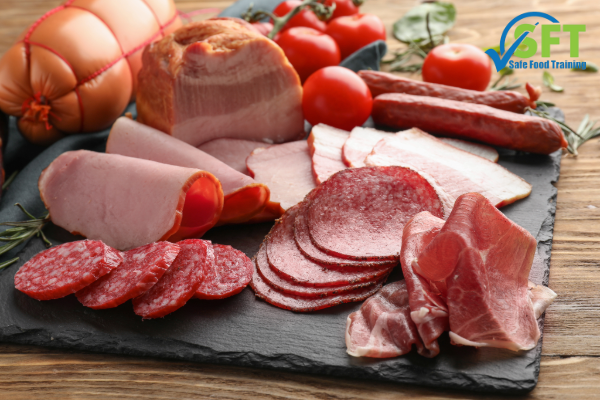
deli meat foodborne illness
Are you updated on all recalls?

The Bottom Line 

Recent data show a 25% increase in foodborne illness cases across the U.S., driven largely by high-profile outbreaks involving Listeria and Salmonella. For Minnesota food managers, this surge underscores a critical reality: trust in the supply chain is not enough. Rigorous internal protocols, specifically temperature control and supplier verification, are your kitchen’s only true defense against contaminated product.

The Surge: Recent Outbreaks You Can't Ignore

In the past year, we have witnessed a troubling rise in large-scale recalls. These aren’t just minor isolated incidents; they are systemic failures affecting millions of pounds of product.

Three Major Cases Every Manager Should Know:

person throwing up
Know the recalls and help prevent illness.


  • Boar’s Head (Listeria): After a liverwurst sample tested positive for Listeria, authorities triggered a massive recall of over 7 million pounds of deli meats and poultry. This outbreak led to hospitalizations across multiple states, underscoring that even “ready-to-eat” foods pose a significant risk.

  • Lyons ReadyCare (Listeria): Frozen supplemental shakes served in healthcare settings were linked to 12 deaths and 38 infections. This tragedy emphasizes the vulnerability of high-risk populations (like nursing home residents) to foodborne pathogens.

  • Raw Farm LLC (Salmonella): An ongoing outbreak linked to raw milk products has sickened at least 165 individuals since 2023. This case serves as a stark reminder of the dangers inherent in unpasteurized dairy.

By the Numbers: Why Risk Is Rising

The statistics are alarming. In 2024 alone, reported foodborne illnesses jumped by 25% compared to the previous year.

man in hospital
Prevent foodborne illnesses by keeping a close eye on recalls!
  • Illnesses: 1,392 reported cases.

  • Hospitalizations: More than doubled (rising from 230 to 487).

  • Deaths: Increased from 8 to 19.

Why is this happening?


Experts point to a mix of infrastructural issues, regulatory gaps, and staffing shortages in inspection agencies. In short, the safety net is strained, meaning the last check often falls on you, the kitchen manager.

Manager Takeaway: The "Jeff Factor"

In my years of teaching, I have seen recalls come and go, but the numbers we are seeing now are different. When the supply chain falters, your kitchen protocols must be airtight.

Here is what you need to do tomorrow:

FDA
The FDA and USDA list recalls on their websites.


  1. Check Your Recalls: Don’t wait for a letter. actively check the FDA/USDA recall lists weekly.

  2. Verify Suppliers: If you are sourcing specialty products (like raw milk or local meats), ensure they have rigorous testing in place.

  3. Refresher Training: Remind staff that “pre-cooked” or “deli” doesn’t mean “risk-free.” Cross-contamination at the slicer can turn a single contaminated loaf into a widespread outbreak.

Frequently Asked Questions (FAQ)

Common questions I get include:

How can I stay updated on food recalls in Minnesota?

The most reliable sources are the FDA Recall List and the Minnesota Department of Health website. We also include major alerts in our Safe Food Training newsletters.

Does washing deli meat kill Listeria?

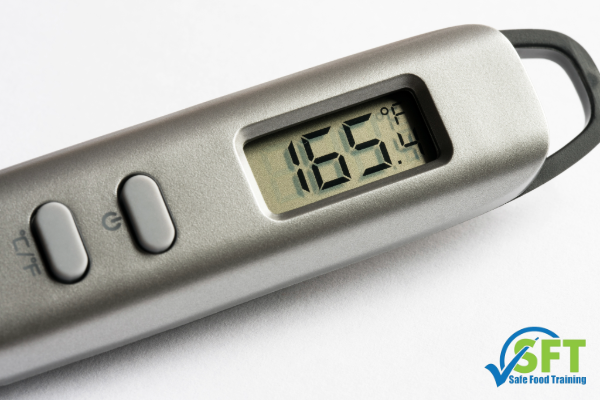
165 thermometer temp
Know the temperature that kills pathogens and bacteria.

No, you can only kill Listeria by cooking it to 165°F. Washing meat creates a cross-contamination risk by splashing bacteria onto sinks and countertops.

Why are illnesses increasing even with more regulations?

Regulations exist, but there are not enough enforcement resources. Additionally, our food supply chain is more complex than ever, meaning a single contamination event at a large facility (like Boar’s Head) can instantly affect distribution nationwide.

Why Trust Safe Food Training?

Building on a 20-Year Legacy of Food Safety Excellence.

Safe Food Training has been a cornerstone of Minnesota’s food safety community for over two decades. While ownership transitioned to Jeff Webster in 2025, our mission remains unchanged: to provide the highest standard of education to the state’s food professionals.

  • Proven Track Record: We have helped thousands of managers earn their certifications.

  • Local Focus: We understand Minnesota-specific codes and challenges.

  • Flexible Learning: From the Twin Cities to Duluth, Alexandria, and Brainerd, we bring the classroom to you.

Need to renew your certification?


View our upcoming course schedule!

Avian Flu Surge: Cases Soar and Poultry Crisis Hits Indiana

Avian Flu Outlook

The ongoing avian flu (H5N1) outbreak has raised significant concerns regarding public health and agriculture. As the virus continues to affect poultry populations, understanding its implications is crucial for food protection managers and stakeholders in the agricultural sector.

Human Avian Flu Case Update

Recently, two individuals in the United States were hospitalized with H5N1 infections, one in Wyoming and another in Ohio. Both cases involved exposure to infected birds. While the patients are currently recovering, these incidents underscore the rarity of human infections. Health officials emphasize that there has been no evidence of human-to-human transmission. This is a critical factor in managing public health responses.

More Egg Layers Culled

Image credit: alsavavia 123rf

The impact of H5N1 (avian flu) on the poultry industry has been severe, with significant outbreaks reported across commercial farms. In Ohio alone, over 3 million hens have been lost due to the virus. This has led to substantial economic consequences, including egg shortages and rising prices. To combat the spread of the virus, measures such as culling infected flocks and enhancing biosecurity protocols are being implemented across affected areas.

In Indiana, the situation has also become concerning, with recent detections of H5N1 in multiple poultry flocks. In the past week alone, eight new cases have been reported. Local farms and wildlife have been affected. The Indiana Department of Agriculture has responded by increasing monitoring efforts and issuing public advisories to keep the community informed about the risks associated with avian flu.

To mitigate the risks associated with H5N1, poultry farmers and bird owners are encouraged to adopt stringent biosecurity measures. This includes limiting access to poultry farms and maintaining proper sanitation practices. Ensuring that any sick or dead birds are reported to local authorities immediately is also critical. For the general public, it is essential to understand that properly cooked poultry and eggs remain safe to consume, thereby minimizing unnecessary panic.

In conclusion, the avian flu outbreak highlights the importance of vigilance. Adherence to health guidelines is crucial. Ongoing efforts by health and agricultural agencies are critical in managing and containing the outbreak. This ensures that both public health and the poultry industry are protected. By staying informed and proactive, food protection managers can play a vital role in safeguarding the food supply and public health during this challenging time.