Strong CFPM Course Advice About Raw Milk Peril

Raw Milk in Minnesota.

In Minnesota, the MN Food Code strictly prohibits the sale or service of unpasteurized (raw) milk in any licensed food establishment. While you can buy raw milk directly from a farm for your own home, serving it in a restaurant or commercial kitchen creates a massive liability because of the high risk of Listeria contamination.

Navigating the Minnesota Food Code: The Raw Milk Debate

When we host a personalized 8-hour Certified Food Protection Manager (CFPM) course for local food service leaders, we often dive into the “gray area” topics that standard training might skip. What does the Minnesota Food Code actually say about serving raw milk?

There’s a lot of noise online about the supposed health benefits of unpasteurized dairy. Some claim that pasteurization “kills” milk’s nutritional value, while others think it’s just better for you. But as a professional food manager running a busy kitchen in St. Paul or a catering operation in Duluth, your priority isn’t the latest health trend—it’s regulatory compliance and customer safety.

What Your CFPM Course Teaches About Raw Milk

Our mission at Safe Food Training is to help your business meet Minnesota’s essential food safety standards without all the fluff. According to the Minnesota Department of Agriculture and the Minnesota Food Code (specifically Section 32D12), the law is very specific: milk and milk products must be pasteurized if they’re offered for human consumption in a retail food establishment.

If a customer wants raw milk, they’ve got to go directly to the source—the farmer. As a licensed food entity, you can’t act as a middleman.

The Risk Factor: Listeria Monocytogenes

The main reason food safety experts and the FDA advise against raw dairy is the high risk of Listeria monocytogenes, a bacterium that causes the foodborne illness listeriosis. In our Minnesota food safety certification courses, we talk about how Listeria is a “hardy” bacterium. Unlike many other pathogens, it doesn’t mind the cold; it can actually grow at refrigeration temperatures.

Why Listeria is a Top Concern for CFPMs:

  • Resilience: It survives in drains, on equipment, and in cold storage.
  • Severity: It has a much higher hospitalization rate than other common foodborne illnesses.
  • Symptoms: Persistent high fever, muscle aches, vomiting, and diarrhea.
  • Vulnerability: It poses life-threatening complications for those with compromised immune systems, the elderly, and pregnant women.

Scientific evidence from the FDA doesn’t support the claim that raw milk is a “superfood” that’s worth these risks. When you’re responsible for the health of hundreds of guests a day, a foodborne illness outbreak isn’t just a PR nightmare—it’s a danger to your community.

The "Choice" Narrative: How to Get Certified

Deciding how to get your team certified is just as important as the safety protocols you follow. Whether you like the energy of a distraction-free classroom or the convenience of your home office, we’ve got you covered.

Pass/fail.

In-Person vs. Online Training

Feature

In-Person CFPM Training

Online CFPM Training

Environment

Distraction-free, focused learning

Flexible, self-paced

Interaction

Real-time Q&A with Jeff Webster

Digital modules

Pass Rate

Very high due to hands-on prep

Depends on your study habits

Best For

New managers & those needing a refresh

Tech-savvy, busy schedules

Personal Choice vs. Professional Liability

 Raw milk.
Do you know the rules about raw milk in restaurants?

As an individual, you’ve got the right to choose what you put into your body. But once you step behind the line of a commercial kitchen, you’re the Certified Food Protection Manager. You’re the gatekeeper. Both Minnesota law and the FDA agree: raw milk poses too great a threat to be served to the public.


Many other food safety risks fly under the radar, and a standard CFPM MN course can’t cover every niche topic. If you’ve got questions about specific ingredients or local ordinances, just ask—we’re here to help.

Frequently Asked Questions (MN Food Safety)

Common questions include:

Q: What is the primary service that Safe Food Training offers?

A: We specialize in providing personalized, 8-hour certified food protection manager licensing courses tailored for food professionals across Minnesota. We also offer dedicated continuing education training at the same time.

Q: How often must I complete continuing education to maintain my food safety certification in Minnesota?

A: In Minnesota, you’ve got to complete approved continuing education every three years to maintain your Certified Food Protection Manager (CFPM) status.

Q: Does the 8-hour course include the exam?

A: Yes. Our comprehensive 8-hour course includes the certification exam, so you leave the session with everything you need to stay compliant.

Q: Can I schedule a private session for my restaurant staff?

A: Definitely. We focus on creating a convenient learning experience that fits your needs. We can focus on the specific food safety challenges of your operation—whether you’re in a school cafeteria, a large restaurant, or a catering business.

Need to renew your credentials or train a new manager?

Register for an upcoming Minnesota Food Safety Course today!

The Truth About Marinade Safety: A Guide to ServSafe MN Standards for Your Minnesota Food License

marinade safety

Mastering Marinade Safety: A Guide to ServSafe MN Standards for Your Minnesota Food License

marinade safety
Master marinade safety with Safe Food Handling!

A well-crafted marinade can elevate a dish from good to unforgettable, adding layers of flavor and essential moisture. As a certified food protection manager in Minnesota, you know that great taste must always go hand in hand with impeccable safety standards. Proper food handling is a cornerstone of your Minnesota food license, and that includes how you prepare, store, and use marinades and brines in accordance with ServSafe MN Standards.

While marinades work their magic on meats, they can also become a breeding ground for harmful bacteria if not managed carefully. Understanding these risks and implementing strict protocols is not just good practice—it’s essential for protecting your guests and your business. Let’s explore three critical areas of marinade safety.

1. Preventing Cross-Contamination

The single most significant risk associated with marinades is cross-contamination. When raw meat, poultry, or seafood soaks in a marinade, the liquid becomes contaminated with any pathogens present on the meat. According to the CDC, approximately 1 in 6 Americans falls ill from foodborne diseases each year. Many of these illnesses are preventable when a certified food protection manager enforces proper kitchen hygiene.

To ensure your marinated dishes are safe, you must treat the marinade with the same caution as the raw meat, poultry, and fish themselves.

  • Isolate Your Materials: Always use dedicated, non-porous containers for marinating. Never place other foods, especially fresh produce, next to marinating items. Use separate utensils and cutting boards.
  • Strategic Storage: Store marinating food on the bottom shelf of your refrigerator to prevent it from spoiling. This simple step prevents contaminated liquid from accidentally dripping onto and contaminating other foods stored below.
  • Wash Your Hands Thoroughly: It’s a basic rule of any food safety certification MN program, but it bears repeating. Always wash your hands with soap and water after handling raw or marinated products.

2. The Dangers of Reusing Marinades

It can be tempting to reuse a flavorful brine or marinade to reduce food costs, but this practice is dangerous and significantly increases the risk of foodborne illness. Because raw meat contaminates a marinade, you must discard it.

  • Understand Bacterial Transfer: Raw meats naturally contain bacteria, such as Salmonella and Campylobacter. These pathogens leach into the marinade as the food soaks, and they can multiply to dangerous levels.
  • Avoid Contaminating New Product: If you add a fresh piece of meat to a used marinade, you are directly transferring bacteria from the previous batch. This act defeats other safety protocols and puts your customers at direct risk.
  • Never Use Old Marinade as a Glaze: Brushing a used marinade onto cooking or cooked meat is a major food safety violation. You are coating your nearly finished product with a layer of raw-meat bacteria. If you want to use a marinade as a sauce or glaze, you must use a fresh portion that has never come into contact with raw meat or poultry.

3. Proper Labeling and Temperature for Continuing Education Food Safety

Maintaining control over time and temperature is a fundamental skill that is continually reinforced through ongoing education and food safety training. These principles are crucial for every certified food protection manager to master, especially when it comes to marinades, which often contain perishable ingredients themselves, and are essential to uphold ServSafe MN Standards.

  • Date Everything: Record the date of marinade creation and the date of adding meat, poultry, or fish to your marinade labels. This helps you accurately track the shelf life of raw poultry, meat, and fish, ensuring you cook them
    marinade safety
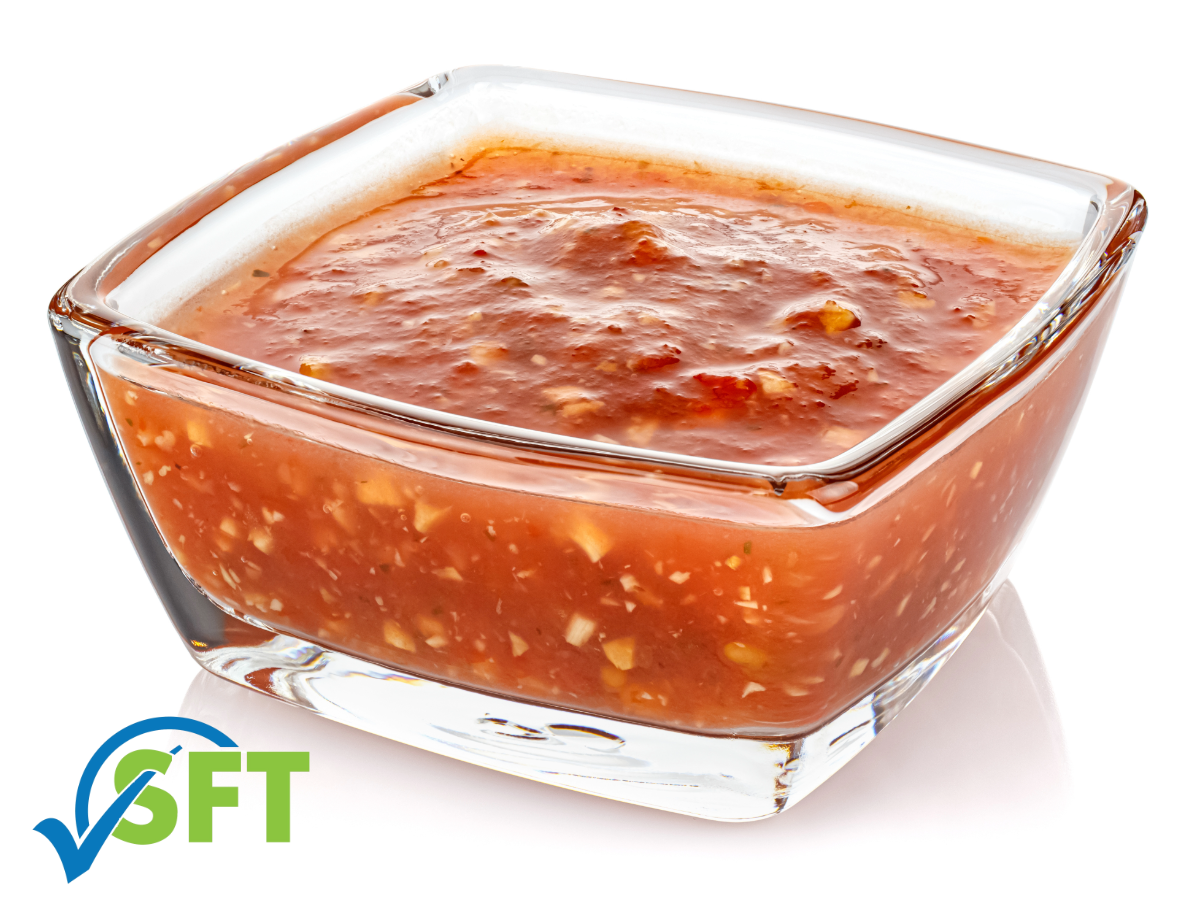
    Are you storing your marinade properly?
    before they expire.
  • Refrigerate Immediately: Always refrigerate marinades at 40°F or below. Leaving a marinade on a counter to “marinate faster” places it squarely in the temperature danger zone (40°F – 140°F), where bacteria can multiply rapidly.
  • Know Your Ingredients: The shelf life of a marinade is also determined by its ingredients. Marinades containing dairy, fresh garlic, or other perishable items have a shorter safe-use window and require strict temperature control.

Uphold Your Safety Standards

Mastering marinade safety is a non-negotiable part of running a professional kitchen and a key responsibility for any certified food protection manager. By focusing on preventing cross-contamination, refusing to reuse marinades, and diligently managing time and temperature, you protect your diners and your reputation, all in accordance with ServSafe MN Standards.

Ensuring every member of your team understands these details is vital for your success. For personalized, instructor-led 8-hour food licensing courses and convenient reminders for your three-year continuing education, Safe Food Training is here to help you in Minnesota.

Book your team’s training now to maintain the highest level of food safety in your establishment!

Why a Smart Certified Food Protection Manager Prioritizes Seasonal Menus

seasonal menus

As a certified food protection manager in Minnesota, you understand the constant challenge of keeping your menu fresh and engaging. With the turning of the seasons, an opportunity arises not just to update your offerings but to energize diners and improve your operation. This isn’t just a feeling; Technomic research shows that 59% of consumers are more likely to purchase a menu item if it’s described as ‘seasonal’. However, launching a seasonal menu isn’t as simple as just printing a new page. It requires careful planning and a deep understanding of food safety. This is your chance to meet diner expectations while managing costs and ensuring compliance.

A seasonal menu transition, whether in a school cafeteria, a restaurant, or a catering business, affects every part of your operation. It’s a project that requires a manager’s oversight to ensure it’s rolled out safely and profitably.

1. Master Food Code Compliance for New Ingredients

seasonal menu
What’s on your seasonal menu?

Before a single new ingredient enters your kitchen, your first responsibility is compliance. It’s easy to assume that your existing ServSafe or other training covers everything, but new products—especially specialty seasonal items—can introduce new risks. Taking the time to review the Minnesota Food Code is not just recommended; it’s essential for protecting your customers and your establishment.

Understand Specific Handling Requirements

  • Why: Different foods have different critical control points. You can’t handle fresh, unpasteurized cider the same way you handle pasteurized juice, nor do wild-foraged mushrooms have the same receiving protocols as commercially grown ones.

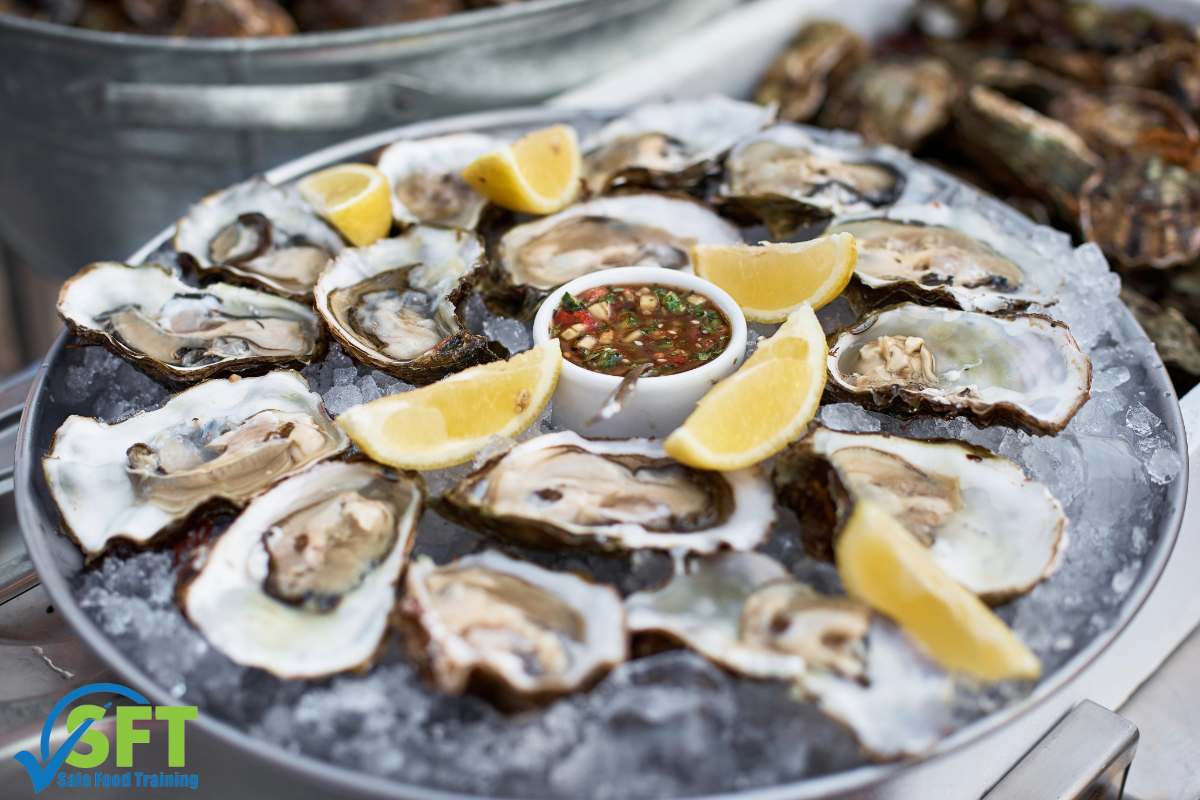
  • Example: Your team must receive training on proper receiving temperatures, shucking procedures, and how to maintain and log shellfish tags to prevent risks such as vibriosis when adding fresh oysters or mussels to a spring menu.

  • Example: Introducing game meats like venison or bison? These may have different sourcing, preparation, and cooking temperature guidelines than standard beef or pork, You must train your staff to handle them.

2. Strategically Adjust Your Inventory and Par Levels

A seasonal menu change directly affects your bottom line by influencing inventory management. Introducing new items and phasing out old ones can lead to significant food waste and shortages if not planned correctly. Waste is a critical cost center, and seasonal changes are a high-risk time for it. Careful adjustment of your product inventory is crucial for profitability.

Prevent Costly Waste

  • Why: Failing to adjust your ordering pars means you’ll be left with cases of ingredients for dishes you no longer serve. This is a direct hit to your food cost percentage. Conversely, under-ordering a popular new item leads to sold-out dishes and disappointed customers.

  • Example: As you plan your new menu, identify ingredients that can be cross-utilized. A seasonal item like asparagus could be a blanched side, a soup base, and a shaved salad ingredient, ensuring you use your full order.

  • Example: If a hearty winter stew is being replaced by a light spring soup, you must create a plan to use up the remaining root vegetables and heavy stocks before the new menu launches. Run them as a special or feature them in a staff meal.

3. The Certified Food Protection Manager’s Secret: The Test Run

seasonal menu
Do you rotate your seasonal menu?

Finally, never launch a new menu blind. A gradual rollout is the safest way to ensure both your kitchen staff and your diners are ready for the change. A “test run” provides invaluable data and reduces the stress of a hard launch, allowing your team to execute new dishes flawlessly and safely.

Gauge Diner Interest

  • Why: What you think will be a best-seller might not resonate with your customers. Testing a dish as a weekend special gives you real-world sales data before you commit to printing it on the menu and ordering ingredient cases.

  • Example: Run your new ‘Spring Pea Risotto’ as a Friday/Saturday special. If it sells out both nights and you get great feedback, it’s a winner. If it barely moves, you’ve saved yourself the cost and hassle of a failed menu item.

Assess Kitchen Workflow

  • Why: A new dish might look great on paper but be a nightmare for your line cooks during a busy service. Does it require a complex new procedure? Does it slow down ticket times? You must find this out before you’re in the weeds on a Friday night.

Rotating your menu seasonally is a powerful strategy to stay relevant and exciting. But for the professional Certified Food Protection Manager, it is also a complex project that balances creativity with rigorous safety and cost-control standards. By prioritizing food code, managing inventory, and testing your new items, you set your team up for a successful and safe transition.

Get Your Food Manager Certification in Minnesota

Ensuring you and your team are prepared for any menu change starts with the right training. Whether you need your initial Certified Food Protection Manager certification or are due for your 3-year recertification, we have the course for you. 

Sign up for a Safe Food Training class today to help your team meet Minnesota food safety standards.

Norovirus Is The Largest Cause Of Food-borne Outbreaks 

Stop food-borne outbreaks

Norovirus is responsible for about 60% of the food-borne outbreaks in the US and Minnesota yearly. Symptoms include severe stomach pain, nausea, diarrhea, and vomiting, and the onset time can be as short as a few hours. Certified food protection managers must take Norovirus seriously and understand how it spreads among people. Then, thoroughly train employees on how to protect against the spreading of Norovirus.

The Largest Cause Of Food-borne Outbreaks Can Be Caused by Nail Biting
Image credit: liudmilachernetska via 123rf

Preventing A Norovirus Food-borne Outbreak

The Norovirus germs of an infected person transmit norovirus through contaminated food and water and by touching contaminated surfaces. Foodborne outbreaks can occur quickly. These outbreaks happen when workers at restaurants, daycare centers, and other food-serving establishments are too casual about washing their hands. Conscientious employees often touch their eyes, noses, or mouths. They may do so without even realizing it. This can happen when they bite their nails or taste food. These actions can lead to illness.

Norovirus has no immunity; people can get sick many times over. Due to the extreme nature of the symptoms, it is very dangerous for young children and older adults, even causing death. Health experts have discovered that Norovirus is the most common of all food-borne diseases in the US.

Certified food protection manager training covers preventative measures to protect many thousands of people from this virus, keeping employees and customers healthier and safer.

Proper hand washing and overall cleanliness are the best ways to prevent a Norovirus food-borne outbreak. Many food service employees are young and inexperienced. This can result in a lack of urgency concerning health risks. Properly training and coaching employees on the importance of following correct hand washing and cleaning techniques is critical to prevent the spread of Norovirus and other foodborne illnesses.

Operating a safe and clean establishment that protects employees and customers from preventable foodborne illnesses is something to take pride in.

How often do you deliberately remind staff of proper handwashing protocol during meetings?