Important Food Safety Training for Off-Site Catering

Important Food Safety Training for Off-Site Catering

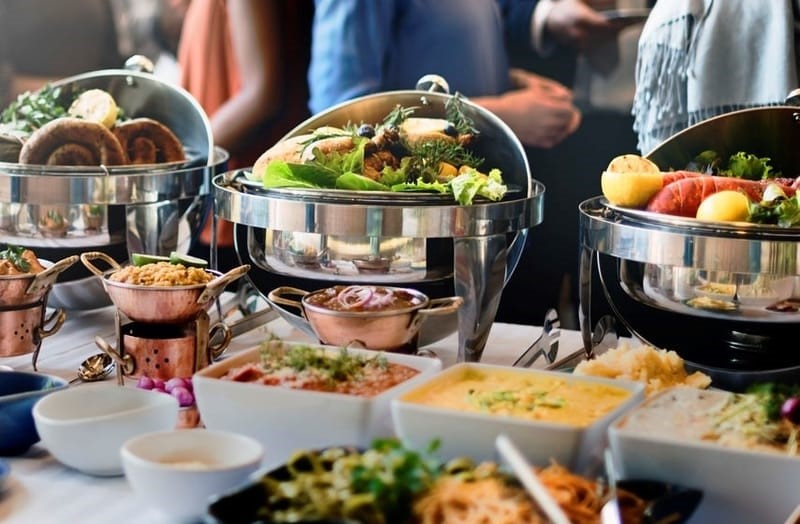
The food and beverage industry has suffered greatly over the past year, but the catering industry has taken a substantial hit due to the limits on social gatherings. Now that the StaySafe MN guidance is beginning to allow more participants at social events, the demand for catering services is beginning to increase. With the pressure to maintain COVID-19 prevention protocols and adhere to food safety training in order to keep guests safe at catered events, it may be useful to take a look at the safe way to cater an off-site event.

Important Food Safety Training for Off-Site Catering
Image credit: rawpixel via 123rf

Food Safety Training for Remote Catering Events

Coronavirus occupancy rules cause the biggest confusion for caterers providing services away from their kitchen. The proprietor of the venue should be accountable for capacity limits, but your catering staff must also be included in the numbers in order to remain in compliance. At the time of writing, there are two capacity standards; indoor and outdoor. Up to 50 attendees can occupy an outdoor event, while indoor events are limited to 15. This means that you may be required to limit the staff on hand in order for the venue to meet these numbers. When planning a catering event, make sure that you consult current StaySafeMN guidelines and coordinate with the venue to ensure you can adequately schedule your staff.

Besides COVID protocols, caterers must follow proper catering food safety guidelines. Many of these guidelines line up with what you’ve learned during food safety training. All food at catered events must:

Time and temperature control go a long way to preventing a foodborne illness outbreak, so make sure that you check your equipment to make sure it is capable of keeping hot foods hot and cold foods cold. Also, take the time to check the internal temperature of all cooked foods to verify they’ve been cooked properly.

There may be times when an off-site catering client suggests they will supply the food product for the event as a cost-saving measure. Unfortunately, you may not be able to verify whether or not they are purchasing ingredients from an approved source. We suggest working with catering clients to purchase all ingredients from your normal suppliers.

Do you have a catering business that’s finally starting to see more clients? Have you taken time to refresh your staff food safety training for off-site catering?
Should ServSafe Food Managers Worry About COVID-19 On Supply Packaging?

Should ServSafe Food Managers Worry About COVID-19 On Supply Packaging?

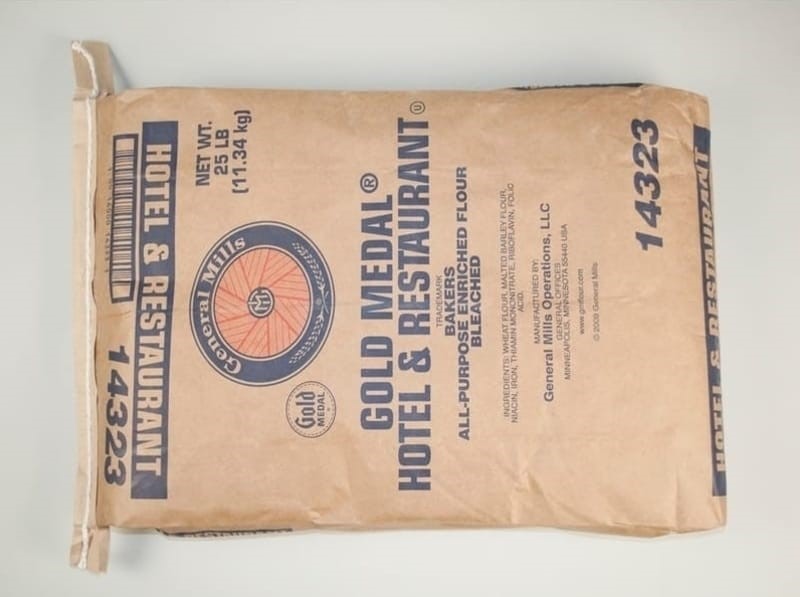
Even though we’ve been dealing with the coronavirus for over a year, we still hear questions and concerns over how the virus is spread and extra steps that can be taken to control it. In a recent discussion, we were asked if ServSafe food managers should be concerned about COVID-19 entering their business on the surface of supplies, food packaging or other materials that they use in their business. The StaySafe MN guidance for restaurants and bars has no specific information on this topic, so we decided to research the matter further.

Should ServSafe Food Managers Worry About COVID-19 On Supply Packaging?
Image credit: Food Service Direct

ServSafe Food Managers Ask, “Can Supply Packaging Spread Coronavirus?”

In the past, we’ve covered the near impossibility of coronavirus infection from food consumption. But, do ServSafe food managers need to be concerned with supply packaging? Does ingredient packaging, shrink-wrapped supplies and other containers that arrive on delivery trucks pose an infection risk to your staff?

While Minnesota COVID guidelines make no mention of this scenario, the CDC briefly addresses this on the consumer level.

According to CDC consumer guidelines, little evidence exists that coronavirus infections spread on food packaging from grocery stores or other outlets. If this evidence holds up for highly populated facilities, this statement would suggest that the same holds true for packaged goods delivered to foodservice businesses.

While COVID transmission risk on packaging may be low, cautious ServSafe food managers should be aware that sanitizing packaging that contains food products poses the risk of sickening customers through the ingestion of sanitizing chemicals. We’ve been asked if quickly sanitizing shipments or inventory would add an extra layer of protection, but we’d advise against it. The best defense would be to thoroughly wash your hands after receiving and storing deliveries. Consistent handwashing protects your guests from many different types of illness, both foodborne and otherwise.

Are you concerned that COVID-19 could enter your business on your supply shipments?

How To Focus On Food Safety Management Training During COVID-19 Restriction

How To Focus On Food Safety Management Training During COVID-19 Restriction

Estimated reading time: 3 minutes

COVID-19 has dominated the news since the beginning of 2020, and many food businesses have struggled to find a way to keep their businesses open and continue serving their guests. While much of the food industry has focused on the balance between keeping their guests safe from the coronavirus and making a profit, it’s important not to let food safety management training take a back seat. Relaxing food safety management during these times can result in overlooking risks that could result in foodborne illness.

How To Focus On Food Safety Management Training During COVID-19 Restriction
Image credit: izikmd via 123rf

Keeping Food Safety Management Training a Priority

We understand that it takes a lot of effort to abide by StaySafeMN guidance for restaurants, and it should be a priority, but that can’t be an excuse to relax on other food safety management procedures.

Food safety managers are responsible for making sure staff understand and follow proper food handling procedures and times of reduced service are a great opportunity to monitor and provide a little extra on-the-job training. Since you’re taking the time to make sure employees understand mask rules, social distancing in dining areas and enforcing COVID-19 reservation-only regulations, you should also incorporate food safety training as well.

It’s quite easy to monitor and guide your staff on a few key issues as you go about monitoring coronavirus prevention protocols. Here’s a brief list of items that can be observed at the same time as StaySafeMN procedures:

  • Proper sanitation
  • Handwashing between tasks
  • Employee health
  • Hair coverings

Some of these things may look like items your staff should already understand, but during the course of your day, it’s easy to make sure. Food safety managers can enforce and provide training for sanitation procedures since it’s necessary for both coronavirus prevention and food safety. Handwashing can also be reviewed as it can be brought up easily given current circumstances.

When it comes to employee health, sick is sick regardless of whether it’s COVID or not. Daily employee health screenings implant the idea that fever, cough, runny nose, nausea and other symptoms disqualify a food worker from taking their shift. Train your employees to take their temperature before work if not done on-site, be aware of symptoms and call out sick if necessary.

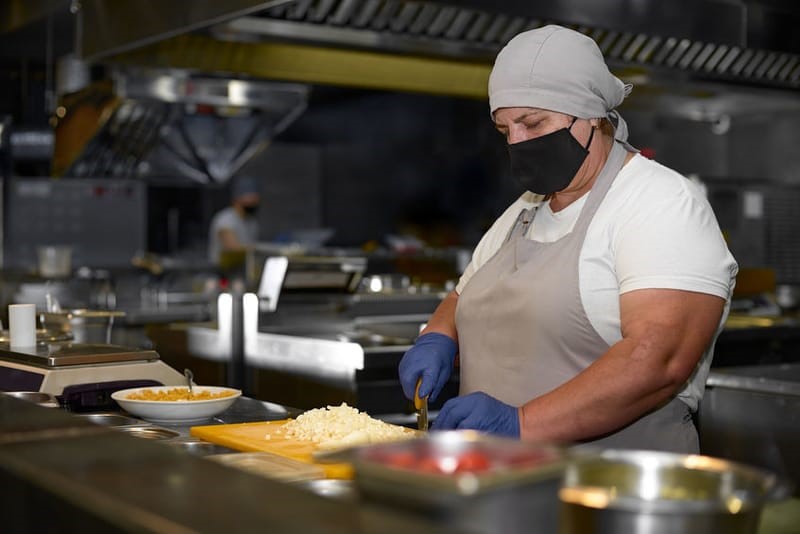
Now that masks are required, kitchen workers must wear two important pieces of protection: a head covering and a mask. When training employees on how to properly wear a mask, you can also teach them the importance of wearing a proper head covering when working with food.

Valuable Tips For CFPMs Offering 2020 Holiday Buffets

CFPM presentation of COVID safe holiday buffet

In traditional times, the months of November and December see an increase in buffet dining options as larger groups congregate in restaurants and dining halls to celebrate the holidays. This holiday season is one like no other, so certified food protection managers have to take extra precautions not only to keep their food safe but abide by local COVID-19 restrictions. Let’s take a look at some steps Certified Food Protection Managers (CFPMs) can take if they choose to host a holiday buffet service.

CFPM presentation of COVID safe holiday buffet
Image credit: Alexander Raths via 123rf

Certified Food Protection Managers and Holiday Buffets

According to StaySafeMN hospitality guidance buffets are allowed as long as the establishment adheres to certain protocols. However, our first suggestion would be to assess whether it’s absolutely necessary to provide buffet service this season. With reservations required and limited seating capacity, your CFPM may wish to consider foregoing the holiday buffet for a more traditional sit-down service to better abide by StaySafeMN protocols. With the added restriction of required reservations, it’s possible that your guests can preorder their meals. This may streamline the process and reduce the risk of too many customers congregating around the buffet line.

If you do choose to offer a holiday buffet, you should take the following into consideration:

  • How will you enforce social distancing in buffet lines?
  • Will multiple guests use the same serving utensils?
  • How will sanitation protocols be put in place?

No matter the occasion, buffets tend to promote groups of people waiting in line and huddling in confined areas for extended periods of time. Even at 50-percent capacity, many restaurants may have trouble enforcing social distancing regulations. You may wish to have servers monitor the situation and release groups table by table to peruse the options at the buffet.

The use of common utensils presents a major dilemma when it comes to buffets. During regular buffet service, many unrelated guests may handle the same serving utensils. In order to avoid this common contact, we’d suggest pre portioning items on the table that guests can grab and go without digging into chafing dishes. While this may require guests to make multiple trips through the line, it reduces the risk of a potentially infected customer from spreading coronavirus through contact with utensils.

Finally, there should be rigid sanitation protocols in place. Assign specific staff members to sanitize common serving areas after each group has gone through the line.

Does your CFPMs have a plan for holiday buffet service?