Fantastic New Food Service Manager’s Guide for Mask Enforcement

In order to comply with Stay Safe MN guidance, restaurants are required to ask guests and staff to wear a properly fitted face-covering in indoor settings. For the most part, customers will automatically adhere to these guidelines, but there are some that will argue or refuse to follow them. What should food service managers do in order to comply with mask enforcement guidelines and prevent an incident with an unruly guest who refuses to wear a face-covering in dining areas?

Food Service Manager's Guide for Mask Enforcement During Covid-19

How Food Service Managers Can Promote Mask Use Without Confrontation

Food service managers have enough on their plate as it is, so dealing with customers who refuse to follow mask mandates adds additional frustration during already trying times. We have a few suggestions that may ward off a confrontation before it begins.

Food service managers should have clear signage that masks are required indoors. Customers should be made well aware of that before they even set foot in your establishment. Since reservations are required for indoor dining, guests should be reminded when making these reservations that that will not be allowed in the building without a face covering. We’d also recommend that you provide curbside pick-up and let potential guests know that to-go orders are available. If you have these options available, those who do not wish to wear masks will have the ability to order from your restaurant without stepping foot inside.

People are usually understanding if they know ahead of time that these rules are in effect, so making it abundantly clear could go a long way towards preventing frustration.

We’ve talked to a few restaurateurs who have had customers try to use a couple of popular lines of reasoning in order to enter dining rooms without face coverings. The two most common reasons guest attempt to boycott face coverings are:

  • Violation of Constitutional Rights
  • The Americans with Disabilities Act

From a legal standpoint, the First Amendment of the Constitution does not apply to private residences or businesses. To put it simply, the First Amendment applies to the U.S. government restricting speech, not your private business. Food service managers can refuse to serve those not wearing a mask without violating their Constitutional rights.

The ADA does require restaurants to make accommodations for those with disabilities unless doing so would impede their ability to safely serve other guests. Since CDC guidelines state that asymptomatic COVID-19 carriers could spread the disease, it’s a food service manager’s duty to make sure masks are worn. In this case, recommend curbside pick-up or to-go orders if you have a guest who may not be able to breathe for long periods of time while wearing a face covering.

How are you communicating mask rules to your customers?

Powerful Staff Training Tips For ServSafe MN Food Managers During COVID-19

Staff training tips for SerSafe MN for food managers

With the ever changing landscape of protocols in the Stay Safe MN guidance for restaurants, it can sometimes be difficult for ServSafe food managers to find the time and space to educate their staff on current protocols. With limits on staff members allowed on site, mask mandates and social distancing regulations, ServSafe food managers will be required to get creative when training their staff about the new protocols in place during these challenging times. This week, we’d like to take a look at a few resources ServSafe MN Food Managers can utilize to provide effective staff training and adhere to current standards.

Image credit: Pikist

Hints for ServSafe MN Food Managers On Staff Training During Corona Virus Restrictions

Due to the limits on personnel on site, ServSafe MN food managers may want to consider some form of virtual staff training to share new updates from Minnesota’s guidance for bars and restaurants. This can bring together larger numbers of staff members than are possible in person given current circumstances. Virtual training may be a challenge, but the good news is ServSafe food managers can access a number of free, easy-to-use, web conferencing services to bring their staff together from remote locations. Some of the most convenient services are available in both mobile and PC versions. We recommend checking out:

All three of these services are free and easy to set up The only catch is that ServSafe food managers and their staff will have to create an account with one of these services if they don’t already have one.

Using these services, you can easily train multiple staff members at the same time before or after work hours and prevent the need to account for social distancing and occupancy restrictions.

Finally, we should alert you to some free COVID-19 specific staff training that is being made available by ServSafe MN. There are quite a few videos and training sessions that are available for free that you and your staff can view from home. Remember that these are national ServSafe guidelines, so you may wish to compare their information with current Minnesota guidance.

How are you, as the ServSafe MN food manager dealing with staff training for challenges under current Stay Safe MN regulations?

Creating An Easy “Stay Safe MN” Preparedness Plan For Food Managers

food managers creating stay safe mn preparedness plan

Towards the end of July, Governor Walz updated and released a new COVID-19 preparedness template that business owners are required to complete according to current reopening regulations. We know every business varies, so we’d like to take a closer look at what this Stay Safe MN preparedness plan means for food managers who run restaurants and other food-related businesses.

Stay Safe MN Preparedness Plan For Food Managers
Image credit: Wavebreak Media Ltd via 123rf

How Minnesota Food Managers Should Build their COVID-19 “Stay Safe MN” Preparedness Plan

While we’ve already covered quite a number of the procedures required in the Stay Safe MN plan, it’s important to have your entire plan outlined in one single document for a couple of reasons. First, it’s required as part of Governor Walz’s guidance for reopening, but beyond that, safe reopening plans can tend to be convoluted, so it’s vital to have all of your facilities procedures in one easily accessible document. This will aid in training, enforcement and providing up-to-date information to guests and employees alike.

The benefit of having an official template is that you don’t have to take the time to create one yourself, and you don’t have to worry about overlooking certain protocols. Let’s take a quick look at some of the protocols Minnesota food managers are required to have outlined to stay compliant with Stay Safe MN:

It may seem like a mighty list and a daunting task, but filling out this template is a must for every business. The good news is that the template is fairly easy to follow, and it goes a long way towards tracking your adherence to current reopening procedures.

Have you filled out your COVID-19 reopening plan yet?

Certified Food Protection Managers, COVID-19 and HVAC Systems

Special COVID-19 regulations on HVAC for food protection managers

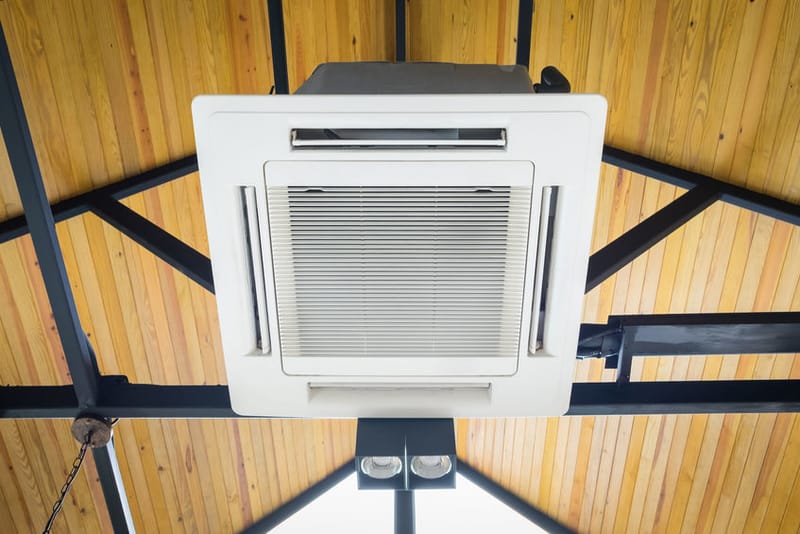
As we continue to reopen restaurants, bars and other eating establishments, certified food managers now have both the responsibility to keep the food they serve safe and to help prevent the spread of the Corona Virus. We’ve covered protocols such as social distancing, limited capacity and the reservation requirement, but the guidance provided in the Stay Safe MN for food businesses details more than just how to serve your guests. This guidance also involves specific rules regarding the ventilation systems in eateries, we’d like to take the time to outline Minnesota’s guidelines for HVAC systems during COVID-19 restrictions for certified food protection managers in food businesses.

Image credit: 123rf Worawut Kertchot 

Certified Food Protection Manger’s Guide for COVID-19 HVAC Regulations

The Stay Safe MN plan has four basic rules that certified food protection managers should initially consider concerning their current HVAC system:

  • Can the outdoor air percentage be increased to reduce reliance on circulated air?
  • If your establishment relies on recirculated air, are your filters MERV-13 or better?
  • Have my HVAC filters been replaced before reopening?
  • Have I had an HVAC professional evaluate my ventilation?

The theory behind some of these rules is that if we can provide an environment the lowers the risk of COVID-19 circulating through our air, we might be able to greatly reduce the risk of infection. If we limit the amount of recirculated air and introduce air from the outside, the atmosphere in our dining areas are constantly diluted and replaced with fresh air from the outside. In an environment where air is constantly recirculated, we run the risk of simply recirculating contaminated air.

If you must rely on recirculated air, there’s no reason to give up hope of reducing the risk of the spread of COVID-19 in your establishment. The recommends your filters be MERV-14 rated, however, MERV-13 filters are allowed. Your filters also should be replaced before reopening. Not only should filters be replaced, but you must also ensure they’ve been installed properly in order to prevent air from bypassing the filters and entering your dining room potentially contaminated.

Finally, it’s important to have a trained HVAC professional evaluate your system. As a certified food protection manager, Certified Food Protection Managers already have a lot on your plate, especially during COVID-19 restrictions, so bringing in someone who is more prepared to evaluate your HVAC system, change filters and make any adjustments necessary would be prudent.

Have you made sure you’re ventilation system is compliant with the Stay Safe MN plan?